The Hidden Cost of Too Many Options: Why High-Achievers Struggle More with Love Than Success
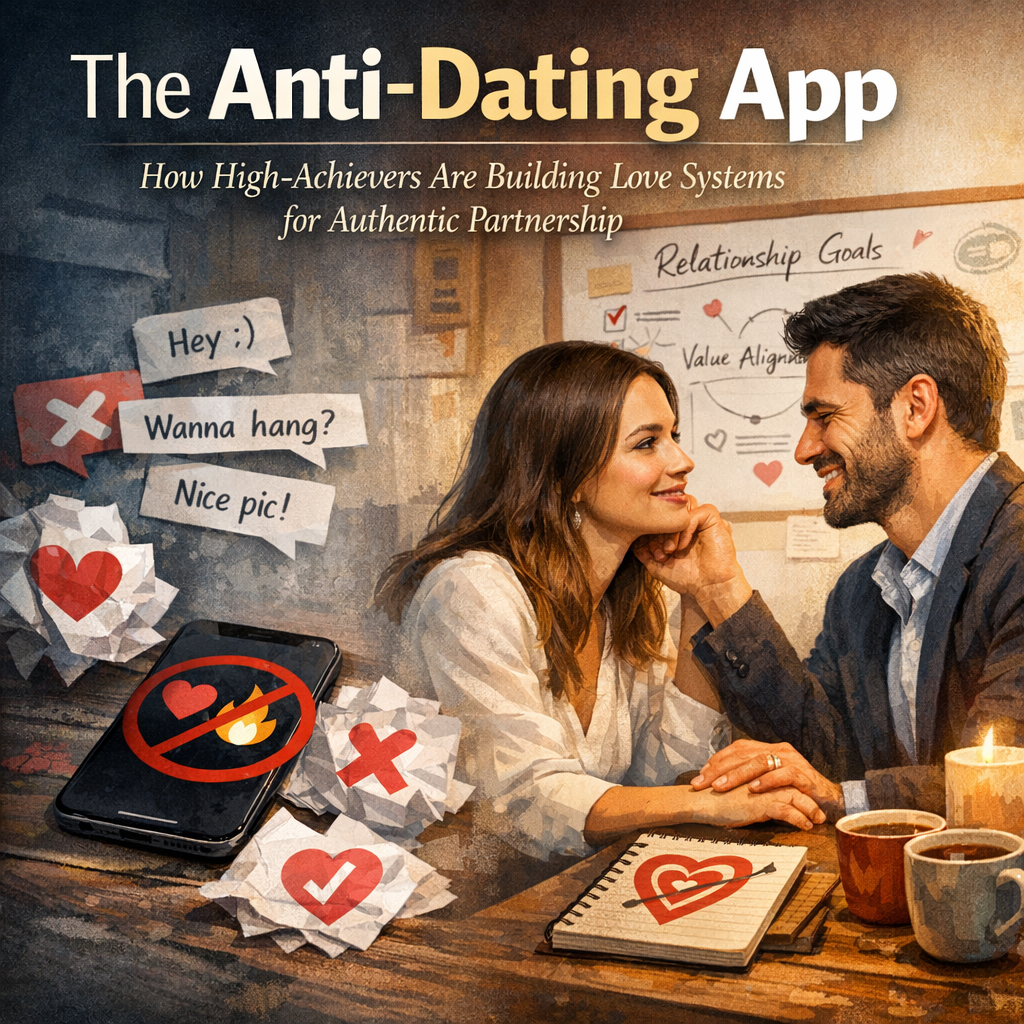
In today’s world of limitless possibilities and digital connectivity, it might seem like finding love would be simpler, yet many high-achievers find themselves struggling more in this area compared to their professional success. Known for their drive, ambition, and often perfectionism, high-achievers approach goals with relentless focus. However, when dating, their pursuit of the “ideal partner” can become unexpectedly complex.
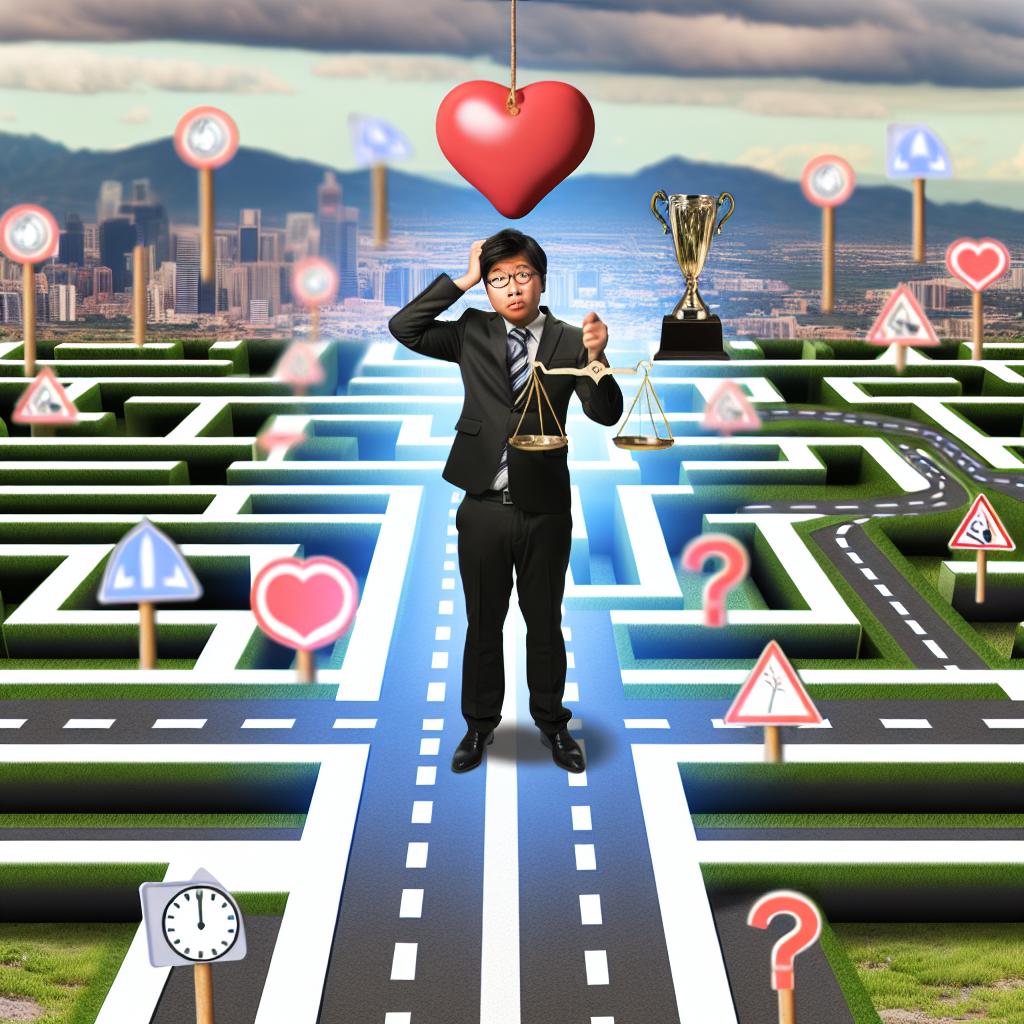
High-achievers, by nature, crave success and are used to making diligent decisions about their careers. However, this characteristic drive does not always translate well into romantic relationships. With every swipe on a dating app, the potential for a “better match” and the risk of making the wrong choice looms large. This can lead to procrastination and over-analysis, culminating in the dreaded “paralysis by analysis.” The constant evaluative state keeps them suspended in indecision, leading to missed opportunities or failure to commit.
Furthermore, the culture of high-achievement often values measurable outcomes over emotional satisfaction. Professionals who are used to planning strategic steps find it difficult to apply the same logic to the nuanced, unpredictable nature of human relationships. With work, there is usually a clear path toward progression and success, whereas in love, the path isn’t always so straightforward. This mismatch can sow seeds of frustration.
The fear of settling is another hurdle. High-achievers may fear that committing to one person means closing the door on potentially better options. This mindset leads to the endless pursuit of perfection—a Sisyphean task in the world of love. Moreover, the same qualities that contribute to high achievement—such as meticulousness and high standards—can translate into unrealistic expectations in a partner, leading to dissatisfaction or relationship dissatisfaction.
Features
Professional and medical studies provide valuable insights into why high-achievers may encounter difficulties in their love lives compared to their career success.
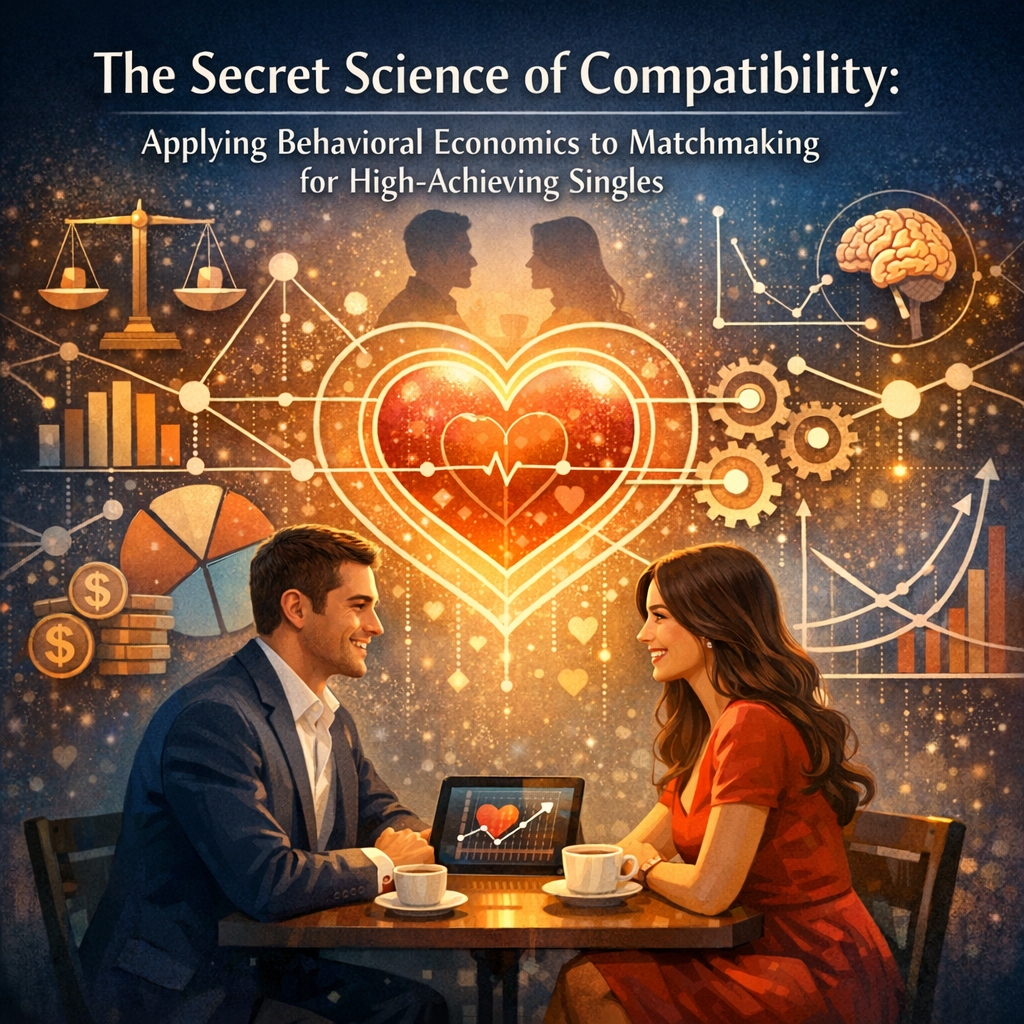
One consequential study published in the journal [Personality and Social Psychology Review](https://doi.apa.org/doiLanding?doi=10.1037/0022-3514.83.5.1178) highlights the “maximizer” versus “satisficer” spectrum, wherein maximizers—often high-achievers—engage in excessive comparison and search for the best possible choice. In dating contexts, maximizers may struggle to commit, perpetually seeking better options, thus adding emotional and cognitive costs (Schwartz et al., 2002).
Furthermore, the [Harvard Business Review](https://hbr.org/2011/06/whats-the-most-effective-way-fo) delves into the impact of decision-making on happiness, noting that satisficers, those willing to embrace “good enough,” often experience greater satisfaction than maximizers (Iyengar, 2011). This aligns with the struggles of high-achieving singles who constantly seek the “one” that meets every criterion, never finding satisfaction in the imperfect but viable partners that come their way.
Another psychological concept relevant to high-achievers in dating is the tyrannical grip of perfectionism. According to Dr. Paul Hewitt’s research from the University of British Columbia, maladaptive perfectionistic tendencies can be detrimental to romantic relationships. These tendencies include setting unrealistic standards and self-criticism for failing to achieve them, which are linked to relationship dissatisfaction and difficulty sustaining long-term partnerships.
Through the lens of social and emotional intelligence, [Goleman’s research](https://www.goodreads.com/book/show/26329.Emotional_Intelligence) shows that while intellectually capable, many high-achievers might lack emotional intelligence, an essential element for maintaining successful personal relationships. Emotional intelligence includes empathy, recognition of one’s emotions, and managing relationships tactfully, highlighting areas where high-achievers excel professionally but might neglect personally.
Conclusion
Navigating the dating world as a high-achiever requires acknowledging and adapting the skills that have fueled professional success to the realm of emotional and relational intelligence. Understanding the complexities introduced by too many choices and recalibrating the perfectionist lens can help these individuals find balance, embrace imperfection, and find happiness in love while maintaining their drive for success. To find love, sometimes they must let go of the perfect choice and embrace the journey.
References
1. Schwartz, B., Ward, A., Monterosso, J., Lyubomirsky, S., White, K., & Lehman, D. R. (2002). Maximizing versus satisficing: happiness is a matter of choice. *Journal of Personality and Social Psychology*. [Link to study](https://doi.apa.org/doiLanding?doi=10.1037/0022-3514.83.5.1178)
2. Iyengar, S. S. (2011). The Art of Choosing. *Harvard Business Review*. [Article link](https://hbr.org/2011/06/whats-the-most-effective-way-fo)
3. Hewitt, P. L., Flett, G. L., & Mikail, S. F. (2017). *Perfectionism: A Relational Approach to Conceptualization, Assessment, and Treatment*. *Guilford Press*. [Link to book](https://www.guilford.com/books/Perfectionism/Hewitt-Flett-Mikail/9781462528721)
4. Goleman, D. (1995). *Emotional Intelligence: Why It Can Matter More Than IQ*. [Link to book](https://www.goodreads.com/book/show/26329.Emotional_Intelligence)
Concise Summary
In a world brimming with possibilities, high-achievers struggle with love due to their relentless pursuit of perfection. Their decision-making mindset, effective in career contexts, becomes problematic in the unpredictable terrain of *romantic relationships*, often leading to analysis paralysis. The commitment dilemma arises from fearing the loss of better options. Research reveals their maladaptive perfectionism and lacking emotional intelligence contribute to relationship dissatisfaction. Awareness of these challenges can help high-achievers balance professional success with personal happiness, embrace imperfection in partners, and enjoy the dating journey rather than perpetually seeking the perfect choice.

Dominic E. is a passionate filmmaker navigating the exciting intersection of art and science. By day, he delves into the complexities of the human body as a full-time medical writer, meticulously translating intricate medical concepts into accessible and engaging narratives. By night, he explores the boundless realm of cinematic storytelling, crafting narratives that evoke emotion and challenge perspectives. Film Student and Full-time Medical Writer for ContentVendor.com