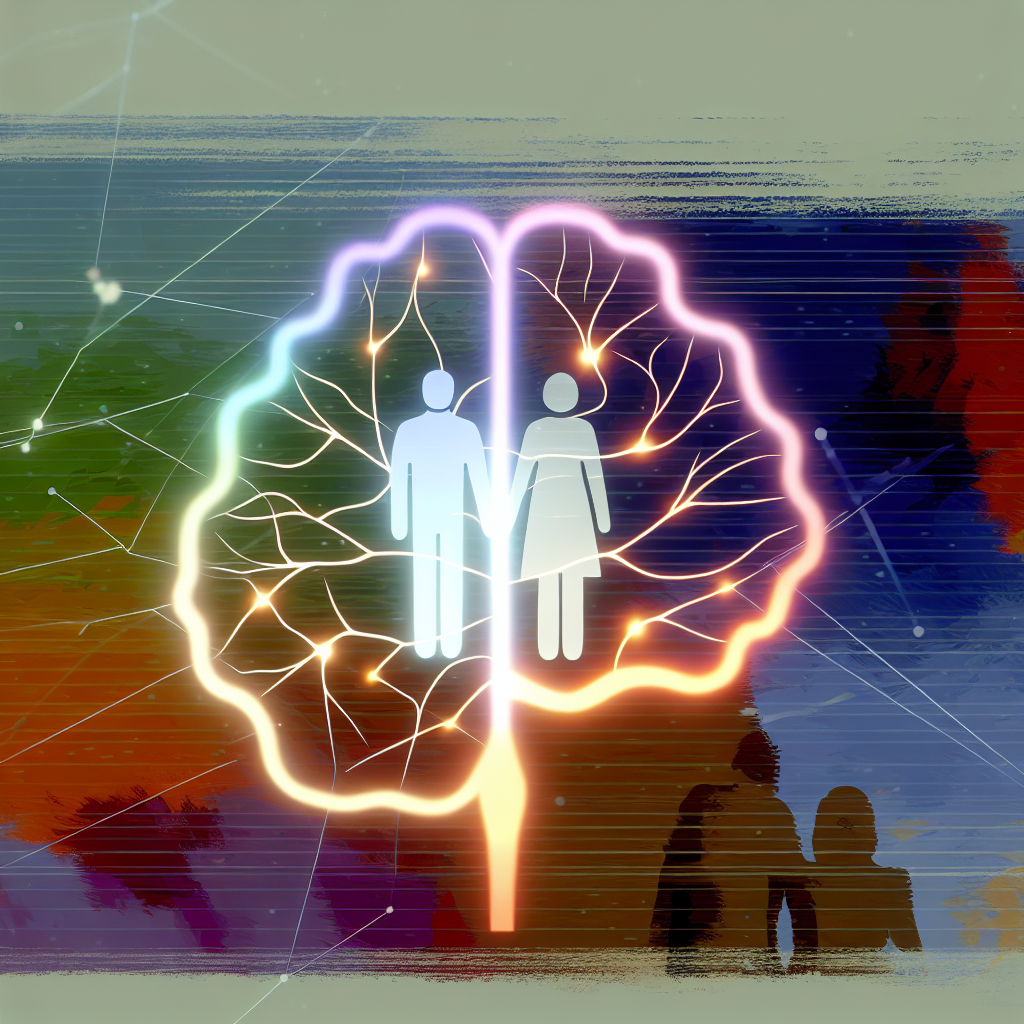
The Neuroscience of Love: How High Achievers Can Rewire Their Brains for Lasting Partnerships
In today’s high-paced world, high achievers often excel in their professional endeavors but struggle when it comes to maintaining successful romantic relationships. Their brains, wired for productivity and success, can unintentionally create barriers to forming deep, intimate connections. The intriguing intersection of neuroscience and love offers insights into how these individuals might rewire their brains to cultivate lasting partnerships. This isn’t just an emotional journey but a scientific venture into understanding how brain chemistry plays a role in relationships.
Love is often perceived as a magical, inexplicable force, but science suggests it is grounded in tangible neural activities and chemistry within the brain. The brain releases neurotransmitters and hormones like dopamine, oxytocin, and serotonin during romantic interactions, which are associated with pleasure, bonding, and happiness. However, for high achievers, the brain’s basal ganglia, responsible for reward and decision-making, may be preoccupied with career-oriented goals rather than emotional connections. Understanding and harnessing the neuroscience of love opens opportunities for these individuals to reshape their neural connections and prioritize relationships alongside their ambitions.
Research has shown that neuroplasticity, the brain’s ability to reorganize itself by forming new neural connections, plays a crucial role in transitioning focus from professional success to personal fulfillment. For high achievers, who are often conditioned to prioritize intellectual pursuits, reframing their cognitive habits can lead to more balanced lives where love and career thrive simultaneously. This process involves conscious efforts in mindfulness, communication training, and fostering empathy—skills that can fundamentally alter how the brain approaches interpersonal connections.
Mindfulness, a practice rooted in awareness and presence, can reduce stress and improve emotional regulation, leading to healthier interactions and deeper connections. Similarly, empathy training reshapes neural pathways, encouraging more compassionate and understanding interactions. By engaging in these practices, high achievers can form sustainable connections, experiencing love as an enriching addition to their lives rather than a distraction from their ambitions.
Studies on the Neuroscience of Love and Relationship Dynamics
The field of neuroscience has expanded our understanding of romantic relationships, especially how specific brain functions and chemicals influence love and attachment. A significant study conducted by Dr. Helen Fisher, a leading researcher in the biology of love, revealed that the ventral tegmental area (VTA) of the brain plays an integral role in the romantic love process. This area, associated with reward and pleasure, shows heightened activity during feelings of love, akin to the activation observed in the brains of individuals taking narcotics, underscoring the addictive nature of love.
Furthermore, studies focusing on oxytocin, often referred to as the “love hormone,” illustrate its essential role in facilitating social bonding and increased trust between partners. Oxytocin is naturally released during intimate moments such as hugging or kissing, promoting a sense of connection and closeness. High achievers could benefit significantly from fostering opportunities for oxytocin release through quality time and physical affection, reinforcing emotional bonds within their relationships.
The concept of neuroplasticity indicates that high achievers can train their brains to value personal relationships alongside their professional pursuits. Research by neuroscientists, including Dr. Norman Doidge, highlights how consistent engagement in new habits, like mindfulness or empathetic communication, leads to restructuring of neural pathways. These changes foster emotional intelligence and improve relationship dynamics by making individuals more attuned to their partner’s emotional states.
Mindfulness practices have been supported by numerous studies highlighting their benefits in enhancing emotional regulation and increasing empathy, crucial elements for nurturing any romantic relationship. Research published in the journal *JAMA Internal Medicine* found that individuals who practice mindfulness exhibit lower stress levels and greater emotional control, which correlates positively with relationship satisfaction.
Conclusion
Incorporating neuroscience into the realm of love offers high achievers a pathway to enhance not only their personal lives but also their romantic relationships. By understanding and leveraging the brain’s adaptability, these individuals can cultivate deeper, more meaningful connections. Transforming the competitive, goal-driven mindset into one that values emotional intelligence and empathetic interaction is crucial for developing lasting partnerships. Embracing these scientific insights paves the way for fulfilling and enduring romantic relationships, enriching the overall life experience of high achievers.
References
1. [The Neuroscience of Romantic Love: Neuroimaging Insights into Functional Neuroanatomy](https://link.springer.com/article/10.1007/s12160-007-9033-2)
2. [Fisher, H. E., Xu, X., Aron, A., & Brown, L. L. – “The Neural Mechanism of Mate Choice: A Study of the Influence of Personality on Brain Regions Governing Romantic Love”](https://journals.sagepub.com/doi/abs/10.1177/0956797610381197)
3. [Mindfulness Practice Leads to Increases in Regional Brain Gray Matter Density](https://journals.sagepub.com/doi/abs/10.1177/0956797610381197)
4. [Oxytocin and Social Bonds: The Role of Oxytocin in Interpersonal Neurobiology](https://pubmed.ncbi.nlm.nih.gov/20619246/)
5. [Doidge, N. – “The Brain That Changes Itself: Stories of Personal Triumph from the Frontiers of Brain Science”](https://www.penguinrandomhouse.com/books/290211/the-brain-that-changes-itself-by-norman-doidge/)
Concise Summary:
High achievers excel in careers but often face challenges in romantic relationships, due to brains focusing on professional goals over emotional connections. Neuroscience reveals that neuroplasticity allows brain rewiring towards balanced personal lives and professional success. Practicing mindfulness and empathy can reshape neural pathways, enhancing relationship dynamics by fostering emotional intelligence and deeper connections. Studies indicate that neurotransmitters, like oxytocin, play a significant role in bonding. Insights from neuroscience can enable high achievers to develop lasting partnerships by transforming a competitive mindset to one valuing emotional intelligence, enhancing both personal and professional fulfillment.