Dating Algorithms: Can AI Predict Your Perfect Long-Term Match Beyond Compatibility Checklists?
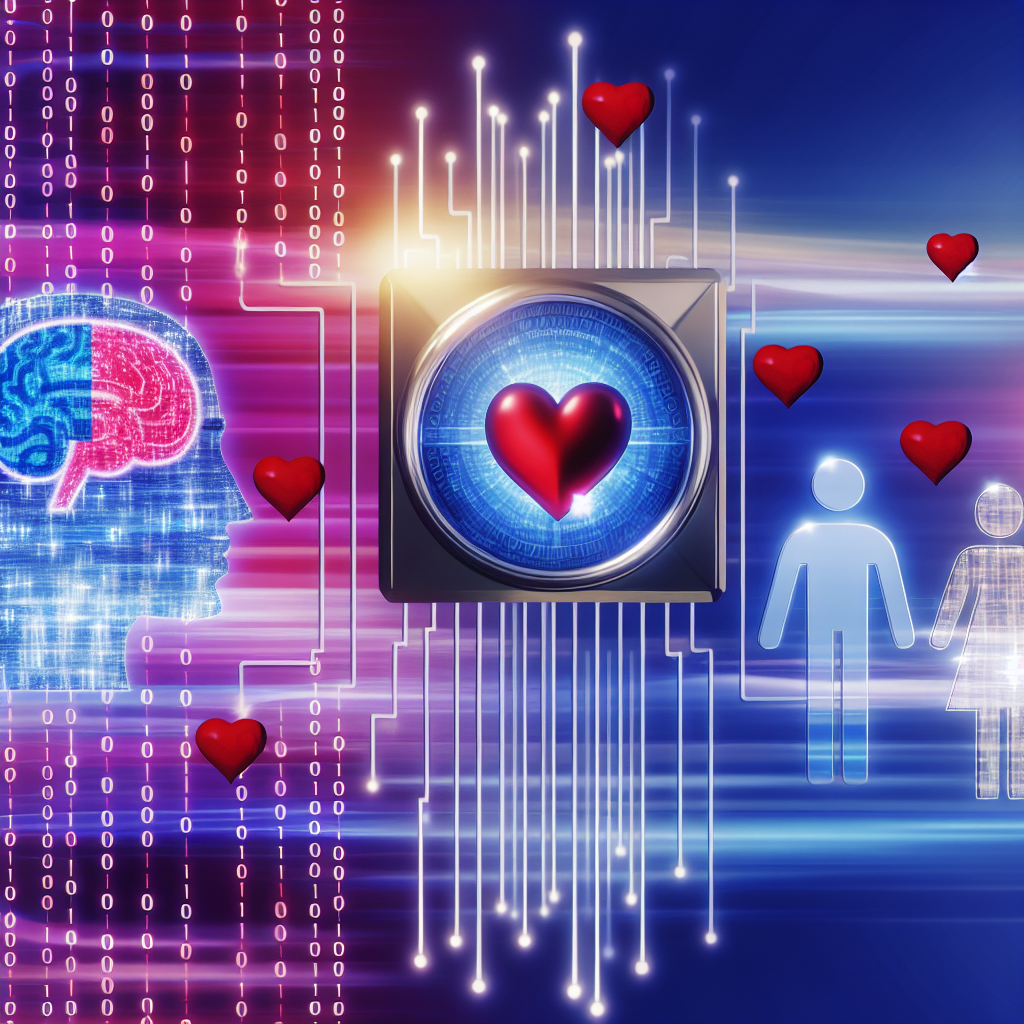
In the digital age, the search for love has extended beyond traditional meet-cutes and blind dates into the realm of technology. Online dating platforms have been evolving at breakneck speeds, integrating increasingly sophisticated algorithms aimed at helping singles find their perfect match. But as these dating services lean heavily on Artificial Intelligence (AI), an important question arises: can AI truly predict your ideal long-term partner, or does it simply rely on compatibility checklists?
Dating algorithms initially focused on matching individuals based on shared interests and compatibility scores—a concept dating back to early matchmaking efforts. Though this checklist approach worked to some degree, it often failed to account for the complexities of human emotions and unpredictable chemistry. Modern AI-driven matchmaking systems have been developed to incorporate more dynamic metrics, such as behavioral data, personality traits, and even social media activity. With every swipe, click, or message, AI learns more about individual preferences and behaviors, refining its suggestions over time.
Machine learning, a subset of AI, plays a crucial role in this evolution. It analyzes vast amounts of data to continually enhance its matching capabilities. These platforms don’t just focus on obvious data points; they dive deep into predictive analytics, analyzing patterns in communications, interaction styles, and even emotional cues from language used in profiles and messages. For instance, by evaluating user engagement patterns and linguistic cues, AI can discern emotional tendencies, preferences in communication styles, and general outlook on life, which are often better indicators of long-term compatibility than simple shared interests.
Yet, while AI tools are becoming increasingly sophisticated, it’s crucial to recognize the limitations and ethical considerations involved. Can AI genuinely account for the unpredictable nature of human emotions, physical chemistry, and unforeseen future changes in personality or circumstances? Moreover, privacy concerns about how personal data is collected and used continue to be controversial topics. However, as technology advances, so does its potential in uncovering deeper, more significant connections that go beyond basic compatibility.
Features: AI and Its Implications in the Science of Love
The potential of AI in creating successful relationships is being bolstered by emerging research. Studies such as those conducted at [Stanford University](https://cs.stanford.edu/) have explored AI’s ability to predict interpersonal chemistry and relationship quality. The university’s work on machine learning and neural networks demonstrates that, with enough data, AI can identify subtle signals and patterns that contribute to a successful relationship.
Furthermore, psychologists and relationship experts are also weighing in on the conversation. Dr. [Helen Fisher](https://www.helenfisher.com/), a biological anthropologist and a chief scientific advisor at the dating site Match.com, has extensively studied the role of brain chemistry in romantic relationships. Her research outlines that neurotransmitters like dopamine and serotonin play a vital role in romance, indicating that individual responses to love can be as much a factor of psychological as chemical compatibility. This highlights that AI algorithms could hypothetically incorporate biological evaluations to better predict relationship success.
Another intriguing study from [The Artificial Intelligence Laboratory at The University of Zurich](https://www.ifi.uzh.ch/en/ailab.html) focused on AI’s predictive capabilities in interpersonal relationship satisfaction. The research suggests that AI can assess attribute patterns and even identify relationship dissatisfaction factors, thereby improving prospective matchmaking. Here, algorithms analyze past relationship outcomes and compare them with initial compatibility scores to refine future partner suggestions.
AI’s capabilities extend into emotional intelligence, an essential aspect of communication and compatibility in relationships. Researchers have been investigating ways to teach AI systems to recognize and interpret human emotions in different contexts, which can lead to a profound understanding of what makes a relationship fulfilling. For example, analyzing language patterns in texts to gauge emotional states can give AI an edge when tailoring partner suggestions.
However, even with these advanced techniques, the predictability of AI is not foolproof. Factors such as personal growth, life changes, and unquantifiable chemistry are beyond current algorithm capabilities. Nonetheless, the confluence of AI with professional psychological insights and empirical data presents a promising avenue for modern matchmaking.
Conclusion
While AI is unlikely to replace the intuition and sometimes serendipity involved in human matchmaking entirely, its ability to use extensive data to find patterns can certainly complement traditional dating methods. As technology evolves, AI has the potential to refine our approach to creating successful, long-term partnerships. Ultimately, though algorithms are useful, the human elements of curiosity, vulnerability, and emotional depth remain paramount in the quest for lasting love.
#### References
– [Stanford University on AI and Relationship Prediction](https://cs.stanford.edu/)
– [Dr. Helen Fisher’s Research on Chemistry in Matchmaking](https://www.helenfisher.com/)
– [The University of Zurich’s AI Laboratory on Relationship Satisfaction](https://www.ifi.uzh.ch/en/ailab.html)
Concise Summary: AI in dating has moved beyond mere compatibility checklists to embrace behavior, personality, and even emotional cues. While promising, AI cannot fully predict long-term relationship success due to human complexities. As technology advances, it offers complementary tools for matchmaking, yet the human aspects of emotion and curiosity remain vital.

Dominic E. is a passionate filmmaker navigating the exciting intersection of art and science. By day, he delves into the complexities of the human body as a full-time medical writer, meticulously translating intricate medical concepts into accessible and engaging narratives. By night, he explores the boundless realm of cinematic storytelling, crafting narratives that evoke emotion and challenge perspectives. Film Student and Full-time Medical Writer for ContentVendor.com