The Relationship Audit: Uncovering Hidden Patterns That Shape High-Stakes Love Journeys
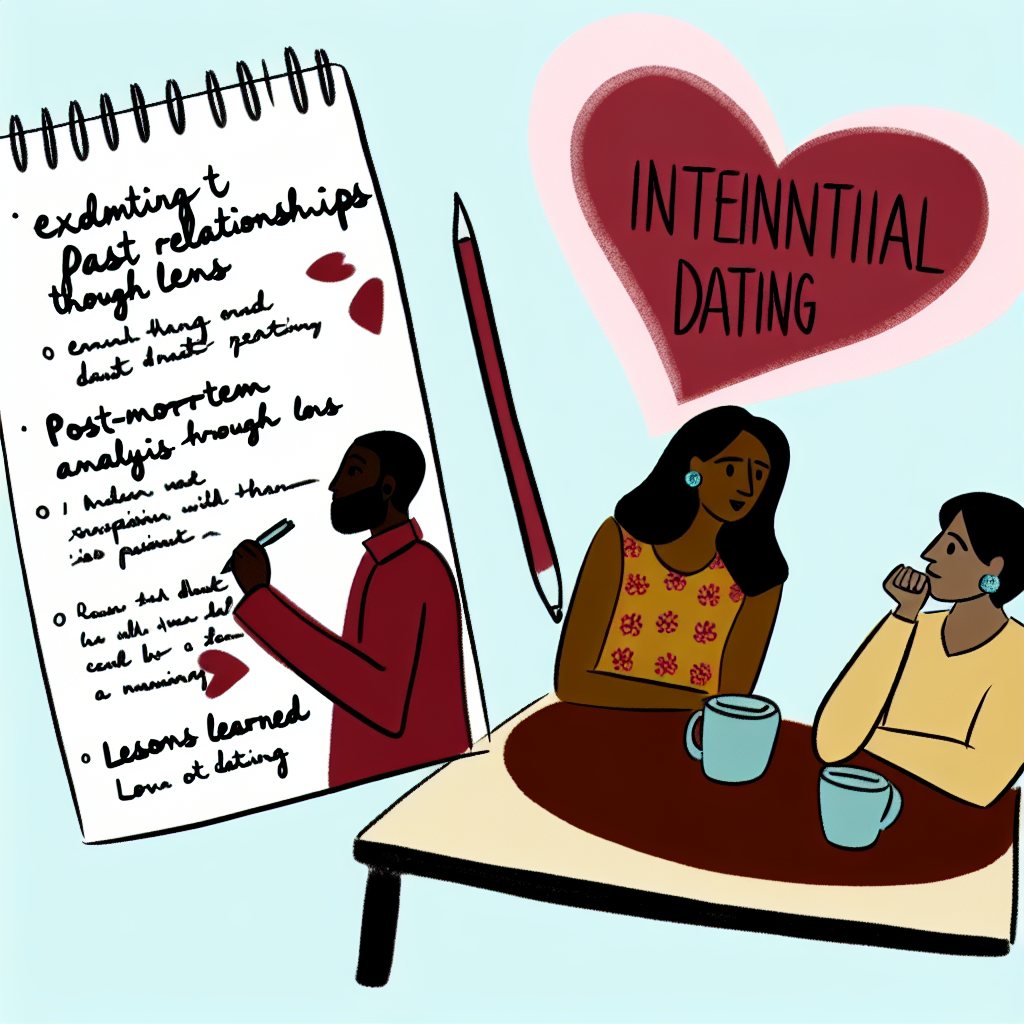
In the ebb and flow of a romantic journey, every relationship is marked by unique dynamics that significantly influence its course. From the budding infatuation of the early days to the deeper, more complex connections developed over time, relationships are intricate tapestries woven from threads of personal history and behavior. For singles navigating today’s fast-paced dating scene, taking a closer look at these patterns through a “relationship audit” can be transformative. This process involves an introspective examination of one’s relationships to understand the recurrent themes and behaviors shaping past and current romantic encounters.
Why is a relationship audit necessary? In our quest for love, we are often oblivious to the recurring themes and behaviors that unconsciously direct our actions and decisions. These patterns can stem from childhood experiences, past relationships, societal influences, and intrinsic personality traits. Understanding these patterns improves self-awareness, breaks destructive cycles, and forges healthier relationships. For singles from 18 to their golden years, recognizing and reshaping these patterns can redefine future romantic endeavors, encouraging more conscious and nurturing connections.
The digital age adds layers of complexity to the dating landscape, with social media, dating apps, and virtual connections often muddying the waters of genuine interaction. Here, a relationship audit becomes especially pertinent, providing clarity amid the noise. By identifying and understanding these hidden patterns, singles can better align their pursuits with their truest intentions, leading to more meaningful, sustainable partnerships.
Relationship auditing isn’t just beneficial at the start of a dating journey. For those in committed relationships or assessing compatibility, consistent self-reflection can prevent stagnation, offering new avenues for growth as partners evolve over time. In essence, the relationship audit is a proactive strategy in high-stakes love journeys, promising to turn reflection into action, nurturing love that’s resilient, adaptable, and deeply fulfilling.
Professional and Medical Insights
Scientific and psychological studies offer valuable insights into the effectiveness and necessity of relationship audits. Research on attachment theory highlights the impact of early attachment styles on adult relationships [The American Psychological Association](https://www.apa.org). Secure, anxious, and avoidant attachments developed during childhood often guide how individuals navigate love and intimacy in later life. A relationship audit helps individuals identify these styles, enabling them to understand and, if necessary, redefine their approaches to love.
Moreover, a study published in the [Journal of Social and Personal Relationships](https://journals.sagepub.com/home/spr) emphasizes the role of self-awareness in relationship satisfaction. Individuals with higher self-awareness are better equipped to communicate their needs, set healthy boundaries, and understand their partners’ perspectives. These qualities foster deeper emotional connections and reduce conflicts, contributing to long-lasting relationships.
The significance of introspection in relationships is further supported by findings in neuroscience. Neuroplasticity, the brain’s ability to reorganize itself by forming new neural connections, is crucial in reshaping behavioral patterns. [Harvard Health Publishing](https://www.health.harvard.edu) suggests that intentional reflection and mindfulness practices can promote positive changes, helping individuals dismantle detrimental relationship habits and foster healthier relational dynamics.
Relationship auditing is not a solitary endeavor. Mental health professionals, such as therapists and counselors, can offer guidance, providing tools for individuals to examine their relationship patterns more effectively. Cognitive-behavioral therapy (CBT) and mindfulness-based approaches, widely studied in clinical settings, have proven instrumental in altering deep-seated patterns, promoting personal growth and relational satisfaction.
Conclusion
In navigating the complex tapestry of love, a relationship audit serves as a beacon, illuminating the hidden patterns that have steered romantic ventures, sometimes towards turbulence, other times towards serenity. By understanding and reshaping these behaviors, singles from all walks of life can craft love stories that are intentional, resilient, and profoundly authentic—transforming high-stakes journeys into fulfilling partnerships.
Concise Summary
A relationship audit uncovers hidden patterns in romantic journeys, essential for self-awareness and breaking destructive cycles. Influenced by personal history, societal norms, and childhood experiences, these patterns shape romantic relationships. In the digital age, auditing offers clarity amid social media noise. Backed by scientific research, it aids in understanding attachment styles and improving relationships through self-awareness, promoting neuroplasticity, and guided by mental health professionals. Whether singles or in long-term relationships, this introspective process fosters intentional, resilient, and fulfilling love experiences.

Dominic E. is a passionate filmmaker navigating the exciting intersection of art and science. By day, he delves into the complexities of the human body as a full-time medical writer, meticulously translating intricate medical concepts into accessible and engaging narratives. By night, he explores the boundless realm of cinematic storytelling, crafting narratives that evoke emotion and challenge perspectives. Film Student and Full-time Medical Writer for ContentVendor.com