From Wall Street to Wedding Bells: Navigating Intentional Relationships Amid High-Stakes Career Choices
Introduction
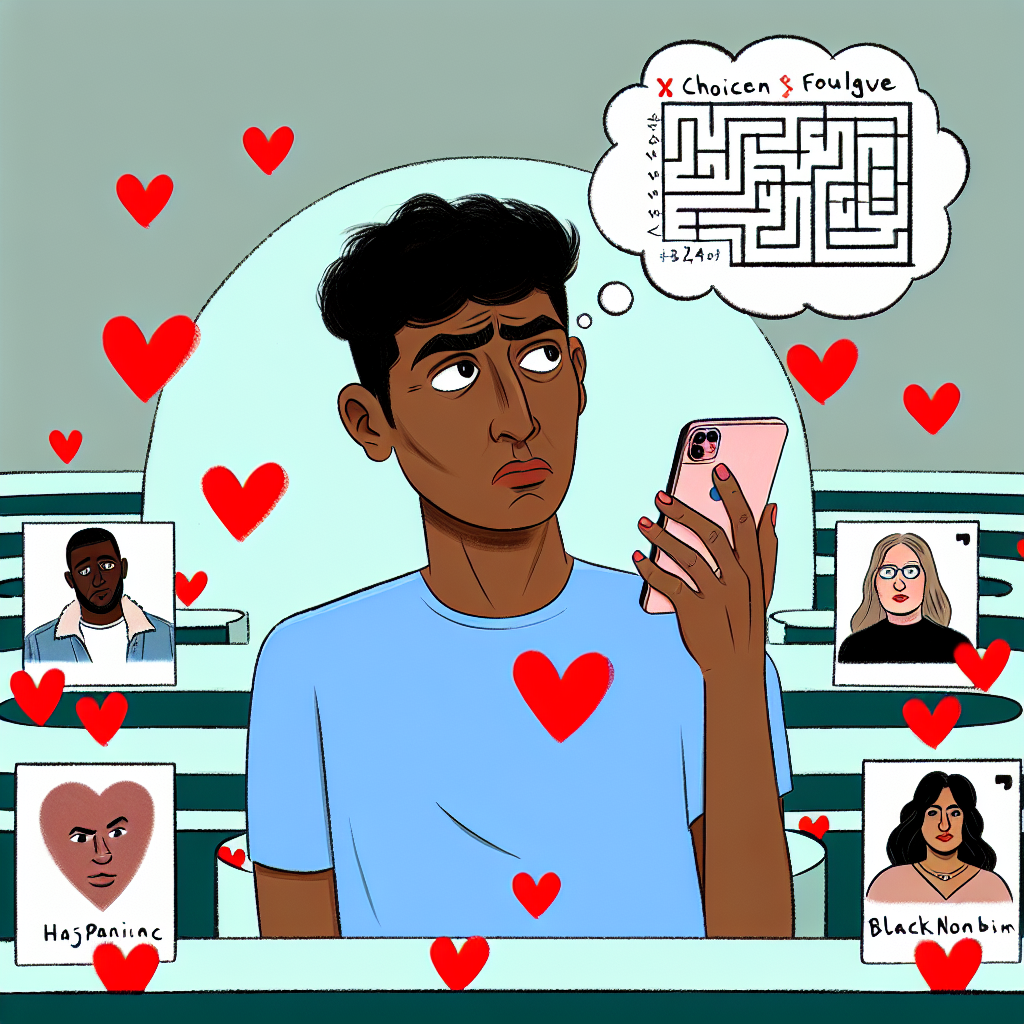
In the bustling world of high-stakes careers, where hours are long and the pressure is relentless, finding and maintaining a meaningful relationship can be as daunting as crafting a successful presentation for a top client. For those climbing the corporate ladder, particularly in demanding sectors like finance, law, or tech, the pursuit of personal happiness often takes a backseat to professional ambitions. Yet, the quest for love and companionship is a universal journey. Whether you’re a fresh graduate launching your Wall Street career or a seasoned executive nearing retirement, the balance between career ambitions and nurturing a romantic relationship is a multifaceted challenge.
The dynamics of modern relationships have evolved alongside changing career paradigms. The traditional path of meeting a partner, getting married, and settling down has transformed significantly. Now, goals such as financial stability, personal development, and achieving significant career milestones are often prioritized. Yet, studies show that intentional relationships can significantly contribute to one’s well-being and even aid in career success. The essence of an intentional relationship lies in conscious decision-making, where the focus is on shared goals, mutual understanding, and continuous growth.
Amid the bustle of demanding professions, the need to prioritize and cultivate meaningful relationships has become apparent. A compelling part of this journey is acknowledging that the skills required to thrive in a high-profile career are not too dissimilar from those needed to sustain a meaningful romantic partnership. Communication, empathy, time management, and problem-solving are vital in both arenas.
In navigating intentional relationships amidst high-stakes career choices, individuals often face hurdles such as time constraints, geographical distance, and emotional fatigue. However, understanding that relationships can provide emotional support, enhance life satisfaction, and ultimately make professional endeavors more manageable is crucial. By adopting a strategic approach akin to that used in career planning, professionals can develop fulfilling personal connections without detracting from their career paths.
Features
Extensive research has highlighted the merits of finding equilibrium between professional and personal life. A study published in the [Journal of Vocational Behavior](https://www.journals.elsevier.com/journal-of-vocational-behavior) underscores the positive correlation between relationship satisfaction and job performance. Researchers found that employees in committed, supportive relationships tend to experience lower stress levels, which in turn, enhances their productivity and motivation at work. This concept, often referred to as the work-life integration model, suggests that when personal and professional goals align, individuals experience improved well-being and work outcomes.
Moreover, the [Harvard Study of Adult Development](http://www.adultdevelopmentstudy.org/), which has followed participants for over 80 years, found that strong relationships are the most significant contributors to happiness and health. Those who reported satisfying relationships at age 50 were healthier at age 80, indicating the profound impact of personal relationships on long-term well-being. This reinforces the argument that investing time in nurturing personal relationships can yield dividends beyond mere career success.
Furthermore, the concept of emotional intelligence (EI) plays a pivotal role in both career success and relationship satisfaction. A study from the [Consortium for Research on Emotional Intelligence in Organizations](http://www.eiconsortium.org/reports/what_is_emotional_intelligence.htm) reveals that individuals with high EI are better equipped to manage stress, collaborate with colleagues, and sustain romantic partnerships. This finding suggests that developing emotional intelligence not only aids career progression but also enhances the quality of personal relationships. It reaffirms the idea that skills acquired and honed in the workplace can significantly benefit romantic endeavors, fostering an understanding of how to communicate effectively, show empathy, and resolve conflicts constructively.
Conclusion
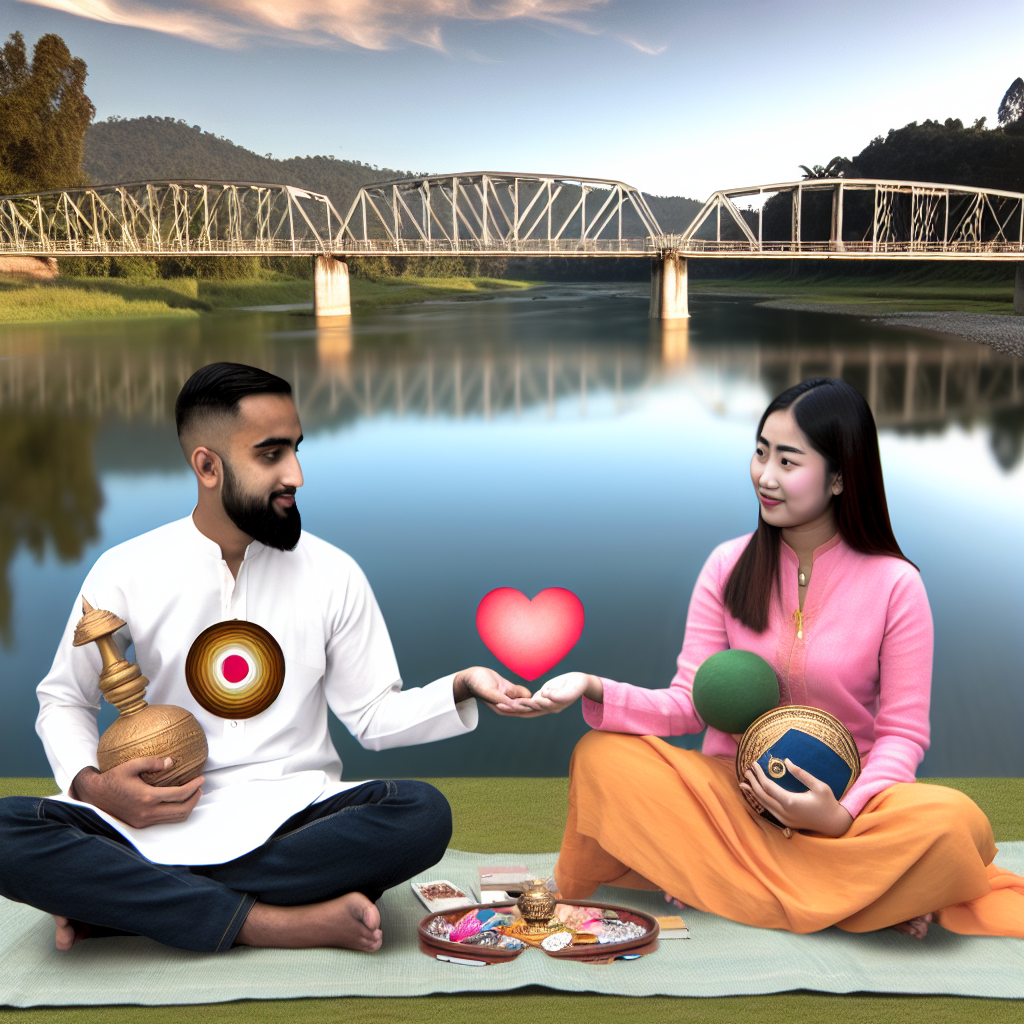
Balancing a high-stakes career with meaningful relationships is a challenging yet rewarding endeavor. By embracing the importance of intentional relationships and leveraging skills from professional experiences, individuals can create lasting and fulfilling romantic connections. Achieving this balance is not just about sacrificing one for the other but finding harmony where both can coexist and thrive. Ultimately, intentionality in relationships, much like in careers, is about making conscious choices that align with one’s values and aspirations, paving the way from Wall Street to wedding bells.
Concise Summary
Balancing robust careers in sectors like finance, law, and tech with meaningful relationships can be daunting, yet rewarding. Modern relationship dynamics have shifted, prioritizing stability and personal growth alongside career milestones. Intentional relationships, marked by shared goals, boost well-being and career success. Skills from professional life, such as communication and empathy, also enhance personal connections. Studies show satisfying relationships reduce stress and improve work performance. Emotional intelligence is crucial, benefiting both career and relationships. Ultimately, strategic planning can harmonize career and personal aspirations, leading to fulfilling partnerships.

Dominic E. is a passionate filmmaker navigating the exciting intersection of art and science. By day, he delves into the complexities of the human body as a full-time medical writer, meticulously translating intricate medical concepts into accessible and engaging narratives. By night, he explores the boundless realm of cinematic storytelling, crafting narratives that evoke emotion and challenge perspectives. Film Student and Full-time Medical Writer for ContentVendor.com