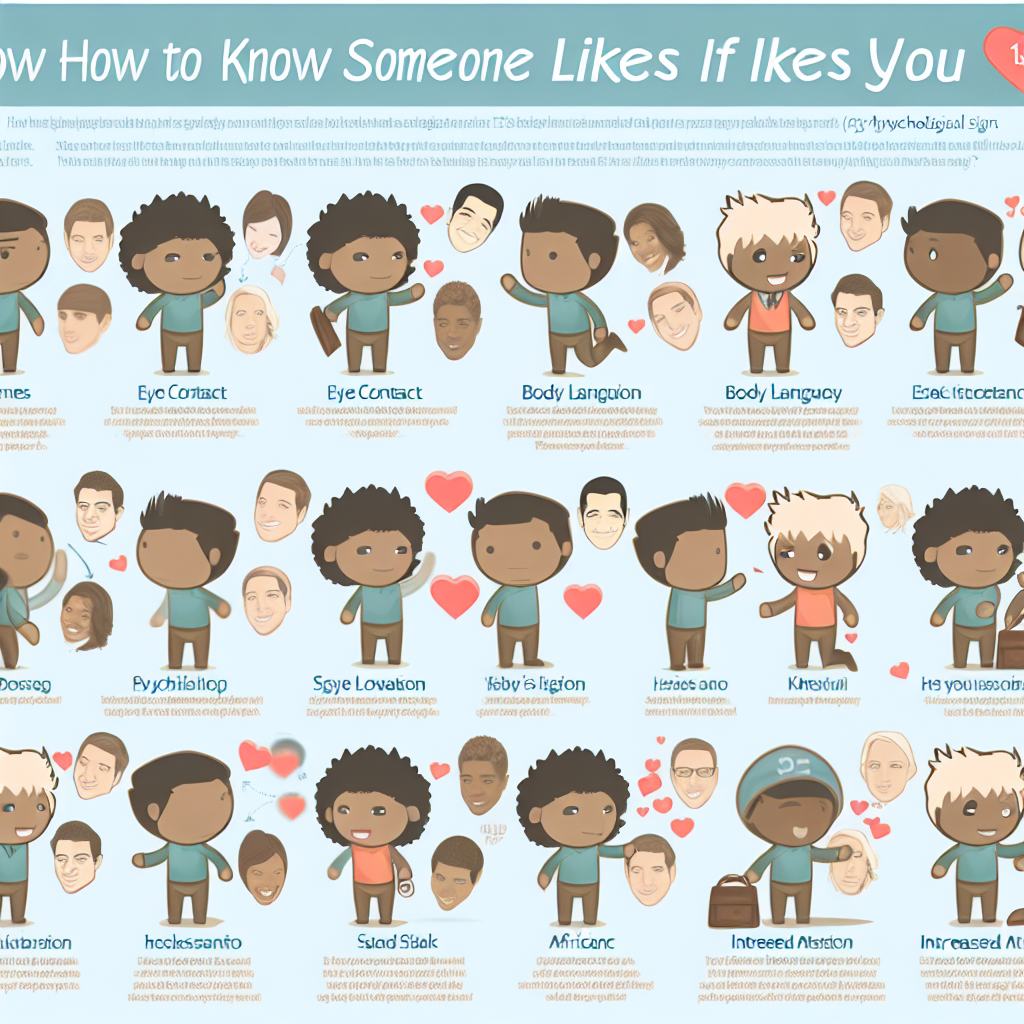
How High-Achievers Can Design and Execute a “Marriage-First” Relationship Blueprint
In today’s fast-paced world, where career ambitions often steal the spotlight, high-achievers can find it challenging to balance professional goals with personal desires, particularly when it comes to romantic relationships. For many successful individuals, the concept of a ”marriage-first” relationship blueprint can serve as a guiding star in navigating the complexities of modern dating. This approach shifts the focus from casual dating to purpose-driven partnerships that prioritize long-term commitment and marriage.
High-achievers are used to meticulous planning, whether climbing the corporate ladder or achieving personal milestones. However, relationships often lack the same level of careful planning. According to a study published in the [Journal of Personality and Social Psychology](https://www.apa.org/pubs/journals/psp/), individuals who set clear relationship goals are more likely to achieve satisfaction in their personal lives. For high-achievers, this means designing a relationship blueprint that places marriage at the forefront can align with their goal-oriented nature.
But why “marriage-first”? First, it provides a clear framework for relationships, ensuring both partners have aligned expectations from the outset. This is crucial because, as noted by the [Gottman Institute](https://www.gottman.com/), a leading relationship research organization, shared goals and values are fundamental to long-term relationship success. Moreover, a structured approach can mitigate the high-achiever’s natural inclination towards workaholism, encouraging them to allocate time and energy to nurturing their relationships.
The “marriage-first” blueprint involves several key phases, including self-awareness, intentional dating, establishing mutual goals, and ongoing communication. Self-awareness involves understanding personal needs, values, and what one seeks in a partner. By gaining insight into their desires and deal-breakers, high-achievers can approach dating with clarity and focus. Intentional dating requires a thoughtful approach to selecting partners who exhibit compatible long-term goals, reducing the likelihood of emotional investments in relationships that lack marriage potential.
Establishing mutual goals with a partner is a collaborative process, where both parties express their aspirations and agree on a shared vision for the future. Studies have shown that couples who actively plan their futures together, including marriage timelines, report higher levels of satisfaction and stability ([American Psychological Association](https://www.apa.org/)). Consistent and open communication is a crucial element of the blueprint, allowing partners to navigate challenges effectively, address concerns early on, and maintain a strong emotional connection.
In addition to personal planning, utilizing external support systems such as relationship coaches and matchmaking services can be beneficial. Professional guidance provides an objective perspective and helps in identifying patterns or behaviors that may hinder relationship progress. Research led by Dr. John Gottman suggests that couples who engage in structured relationship-building activities with professional input have a higher success rate of achieving lasting marital satisfaction.
In conclusion, for high-achievers looking to integrate personal and professional success, a ”marriage-first” relationship blueprint offers a systematic approach to dating and relationships. By prioritizing marriage and aligning personal values with those of a compatible partner, high-achievers can create fulfilling relationships that stand the test of time. Invest in self-awareness, intentional dating, goal alignment, and open communication, and you will find that a structured approach leads to not just professional accomplishments but personal happiness as well.
Concise Summary:
High-achievers often struggle to balance professional ambitions with personal relationships. A “marriage-first” blueprint provides a structured approach to building long-term, committed relationships. By setting clear relationship goals and focusing on marriage, high-achievers can align relationships with their organized, goal-driven nature. This systematic approach includes self-awareness, intentional dating, mutual goal-setting, and open communication, aiding in marital satisfaction. Professional support can further enhance relationship success. This blueprint helps high-achievers integrate personal happiness with professional success, resulting in fulfilling partnerships that endure over time.