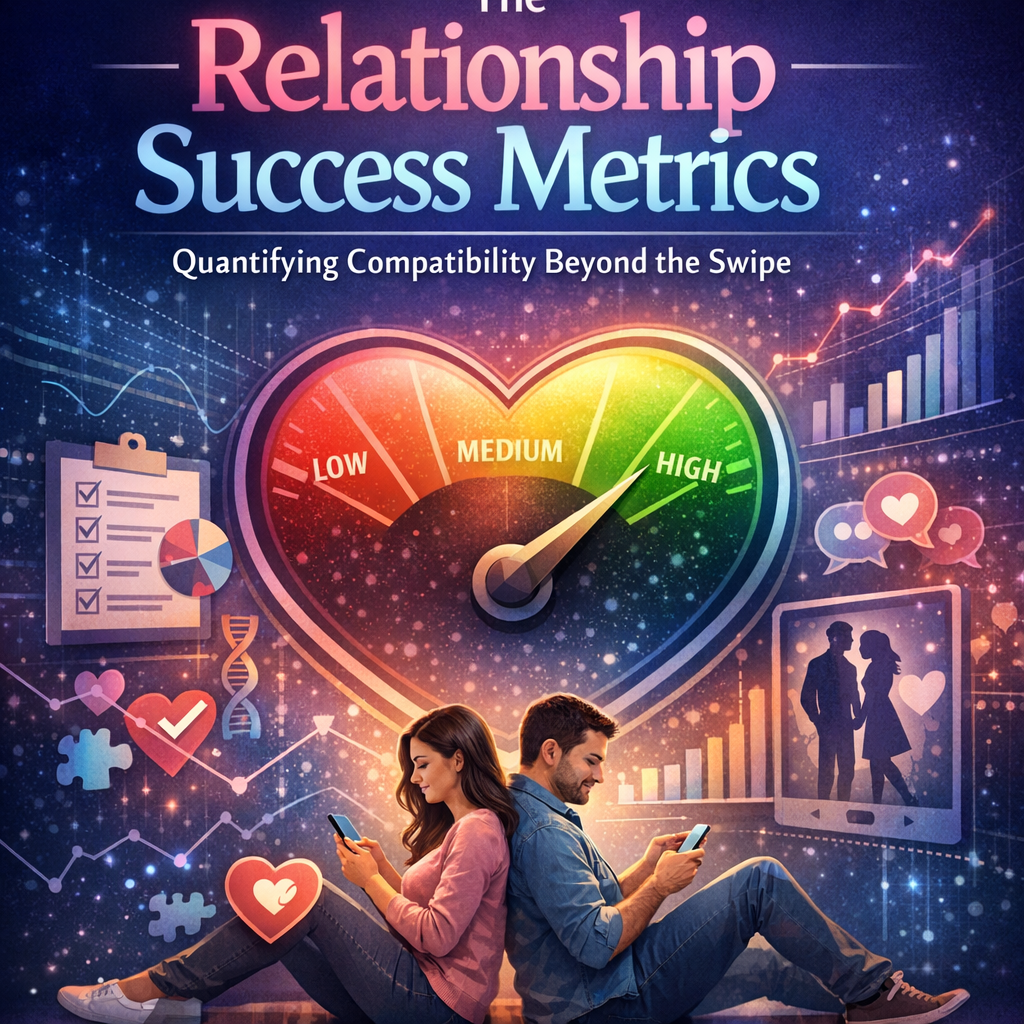
The Relationship Success Metrics: Quantifying Compatibility Beyond the Swipe
Dating in the digital age has certainly transformed; with swipes and likes replacing traditional first meetings, the landscape of romance and relationships is evolving at a rapid pace. However, beneath this veneer of convenience lies a common dilemma for singles spanning from aged 18 into their 80s — how can one measure compatibility beyond mere profile pictures and cleverly crafted bios? Although technology affords us unprecedented ease of access to potential partners, it also forces us into a world where face value is too often given undue importance. This calls for a deeper dive into what truly sustains a relationship, moving beyond initial chemistry to lasting compatibility.
The burgeoning world of online dating apps has emphasized the immediacy of connection, yet relationships demand more than a fleeting first impression. Compatibility is a nuanced and layered metric, encompassing emotional synchrony, values, lifestyle choices, and long-term goals. To navigate the complex tapestry of potential partnerships, singles today require more substantial metrics for relationship success. Understanding these metrics, ranging from core values alignment to conflict resolution styles, can serve as a framework through which compatibility is assessed in a more meaningful way.
Research suggests that successful relationships are fundamentally built upon elements such as trust, communication, and shared values, factors that significantly outweigh superficial attractions. A 2014 study published in the [Journal of Marriage and Family](https://onlinelibrary.wiley.com/journal/17413737) underscores the importance of core compatibility elements in predicting long-term relationship satisfaction. These core elements extend beyond shared interests; they are about mutual respect for differing perspectives and lifestyles. [John Gottman](https://www.gottman.com/about/research/), renowned for his work on marital stability, identifies qualities such as “emotional strength” and “friendship” as the hallmarks of thriving partnerships. These observations suggest that a relationship’s success can indeed be quantitatively assessed through both psychological and behavioral indices.
Features: Understanding Compatibility Through Studies
Over the past few decades, the scientific community has delved deeply into the intricacies of human relationships. Various professional and medical studies have made significant strides toward identifying the metrics that define relationship success and compatibility. For example, the longitudinal studies conducted by Dr. John Gottman’s Love Lab at the University of Washington have been groundbreaking. Gottman’s research reveals that couples who maintain a ratio of five positive interactions for every negative one are more likely to enjoy long-term relationship success. This finding indicates that a positive environment, fed by kindness and open communication, can objectively predict relationship longevity.
Moreover, Dr. [Helen Fisher’s](https://www.ted.com/talks/helen_fisher_the_brain_in_love) research into the biology of attraction and love offers insights into compatibility. Her studies found that brain chemistry and genetics play pivotal roles in whom we are compatible with. By understanding our own neurochemical predispositions, such as dopamine or serotonin-driven personalities, we can better predict our attractions and reactions in relationships. Recognizing these innate patterns can help in selecting partners who are compatible on a deeper neurological level.
A study published in the journal [Social Psychological and Personality Science](https://journals.sagepub.com/home/spp) further highlights that couples who share a sense of humor typically enjoy greater relationship satisfaction and overall compatibility. Laughter and humor create a bonding experience that can strengthen resilience against life’s inevitable challenges. This aligns with research by Laura Kurtz that suggests laughter shared between partners fosters closeness and strengthens relational satisfaction.
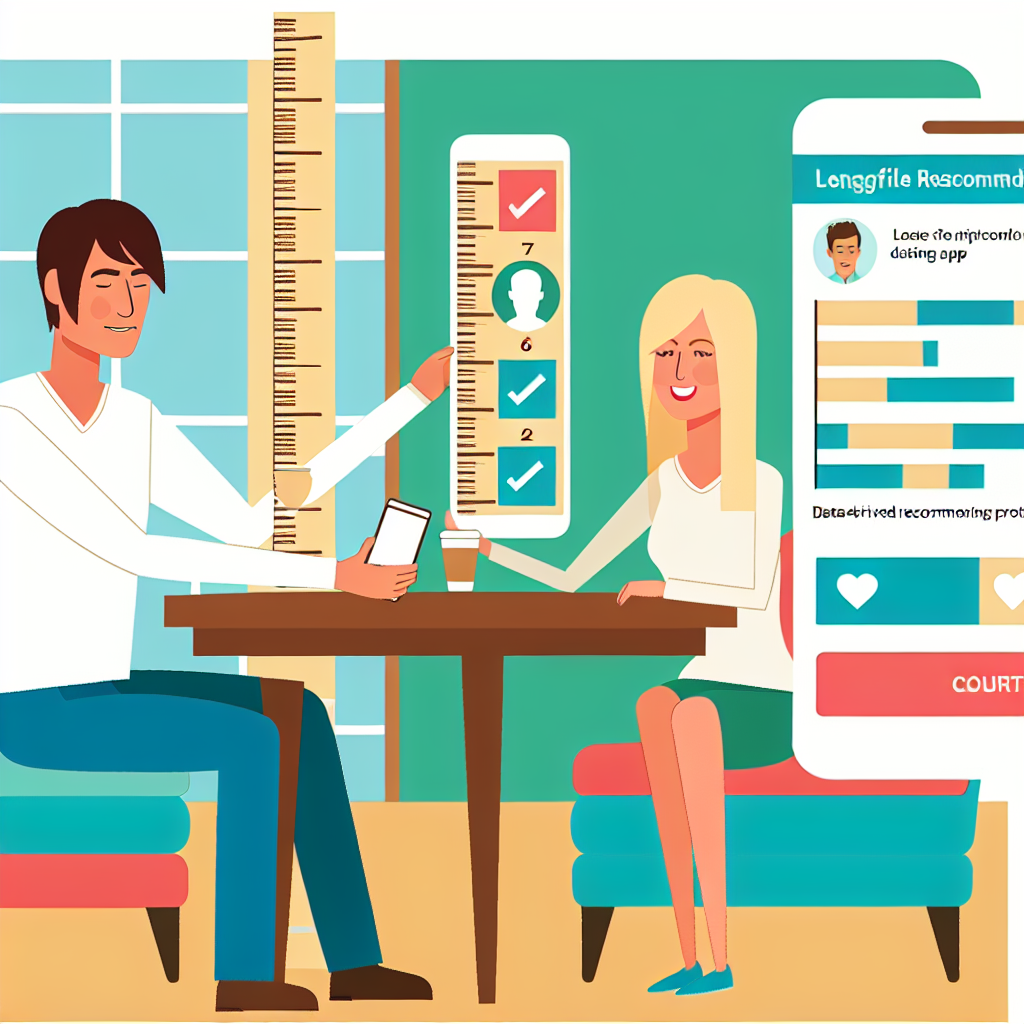
As technology continues to evolve, dating platforms themselves have begun to incorporate some of these scientific findings into their algorithms. Matchmaking services are increasingly using data-driven approaches to facilitate better connections. Apps are beginning to prioritize deeper surveys and questionnaires measuring personality traits and lifestyle preferences over shallow metrics, like physical appearance alone, to improve the compatibility of matches.
Conclusion
In conclusion, quantifying compatibility beyond the swipe involves recognizing and prioritizing the deeper elements that contribute to long-lasting relationships. By delving into emotional, physiological, and psychological compatibilities, singles can move beyond superficial connections to forge meaningful partnerships. Embracing scientific insights and methodologies can empower individuals across all age groups—from the exuberantly youthful eighteen to the experienced eighty—to truly gauge and understand what makes their relationships not only survive but thrive. As our understanding of love deepens, so too does our ability to find relationships filled with substance, stability, and satisfaction.
References
1. [Gottman Institute. “The Science of Love.”](https://www.gottman.com/about/research/)
2. [Fisher, Helen. “The Biology of Love.” TED Talk](https://www.ted.com/talks/helen_fisher_the_brain_in_love)
3. [Social Psychological and Personality Science. “The Role of Humor in Romantic Attraction and Relationships.” Sage Journals](https://journals.sagepub.com/home/spp)
4. [Journal of Marriage and Family. “Commitment and Long-term Relationship Satisfaction.” Wiley Online Library](https://onlinelibrary.wiley.com/journal/17413737)
Concise Summary
In today’s digital dating landscape, measuring compatibility beyond face value is crucial. This involves understanding emotional, psychological, and physiological metrics. Studies highlight essential elements like trust, communication, and shared values. Dr. John Gottman points out the significance of a positive interaction ratio, and Dr. Helen Fisher emphasizes brain chemistry’s role in attraction. Matching services now leverage such insights for better compatibility. Embracing these findings aids all age groups in forming lasting, meaningful relationships.