Long-Term Love Over Algorithms: Why Old-School Matchmaking Beats Today’s Dating Tech
In the fast-paced digital era, where love is often swiped left or right, it’s easy to assume that modern dating apps have become the ultimate solution to finding a partner. With colors that pop, interface designs driven by abundance, and AI technology analyzing compatibility, today’s dating landscape seems flawlessly innovative. Yet, as we delve deeper into the mechanics of these platforms, many singles are rediscovering an unexpected truth: traditional matchmaking methodologies might still hold the secret to long-term love.
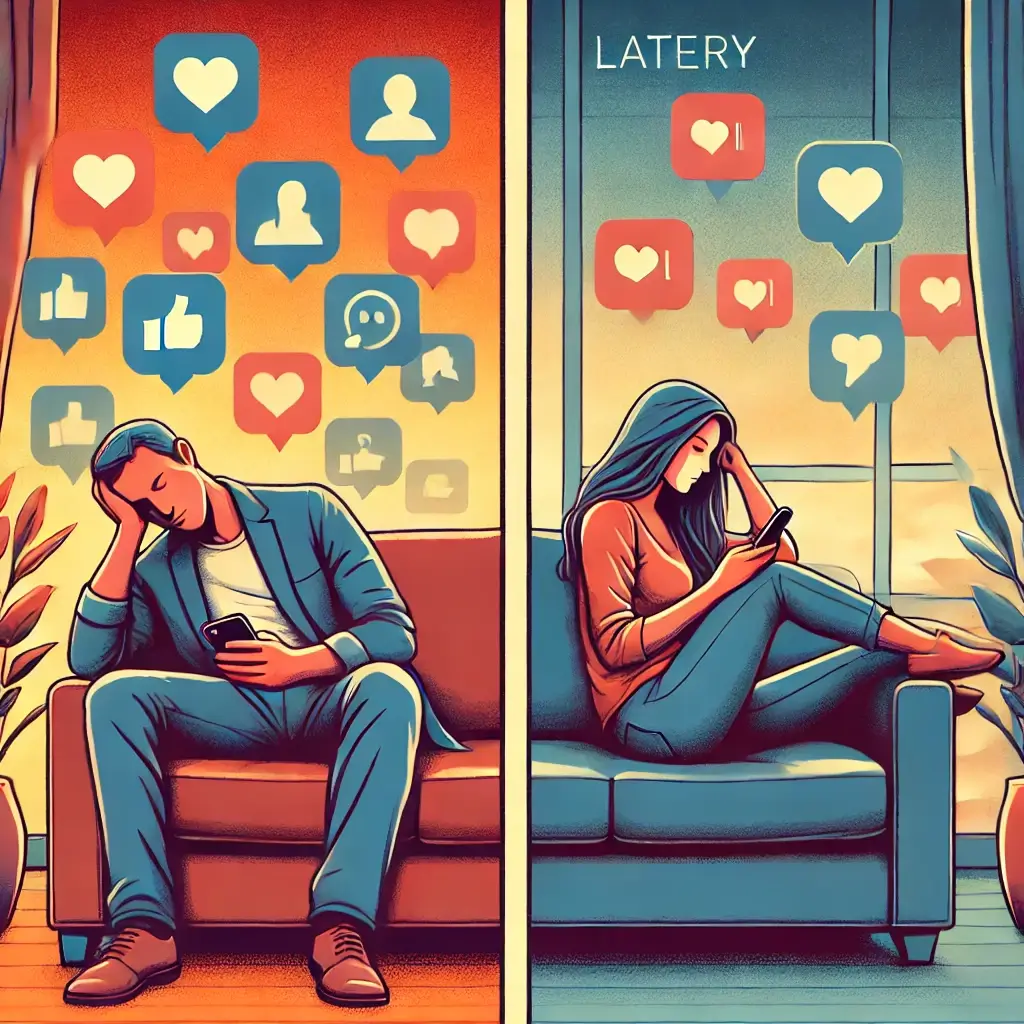
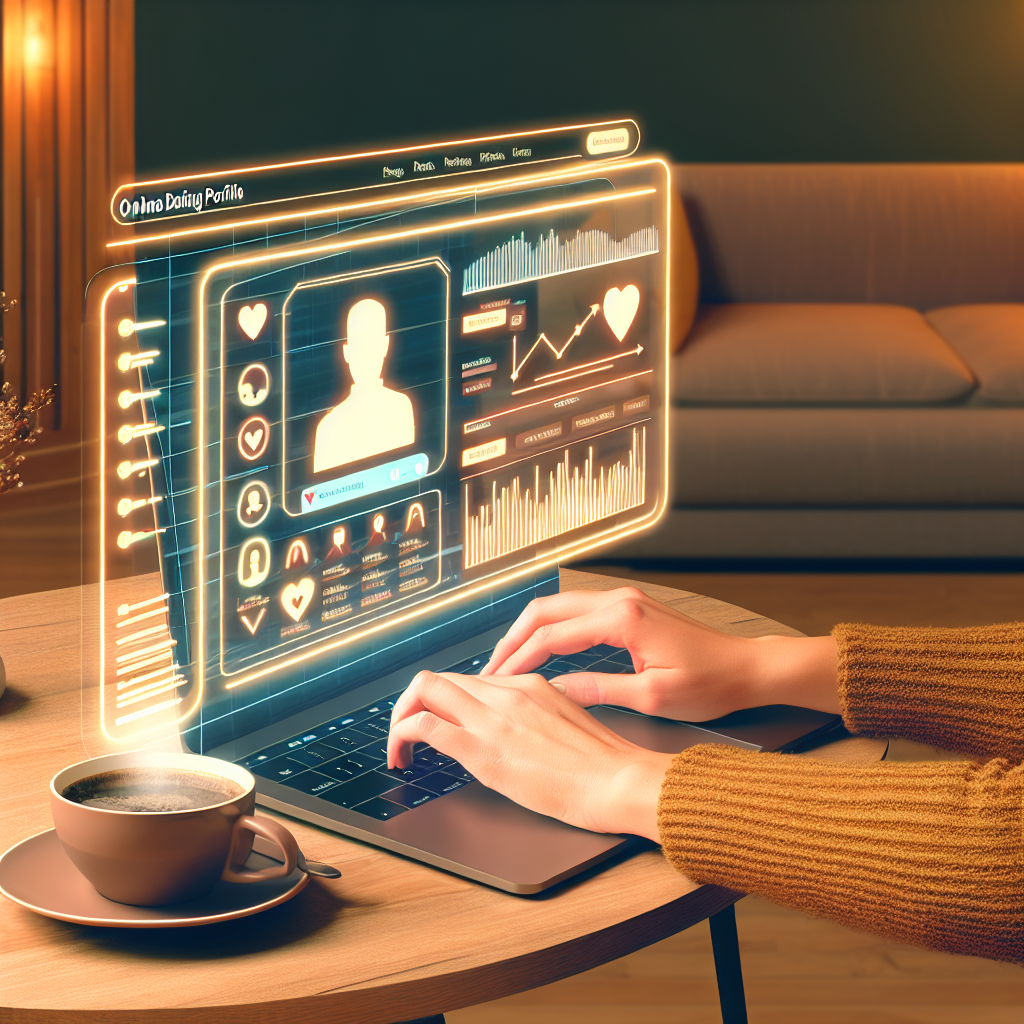
Dating apps boast algorithms that claim to pinpoint a user’s ideal partner, often reducing the complex web of human connection to data points such as hobbies, geographical location, and aesthetical preferences. These algorithms can create efficient pairings, but the endless array of choices may lead to decision fatigue or a superficial perception of the dating pool. Moreover, the emphasis on instant gratification and external appearance can overshadow profound compatibility factors like shared values and vision for life.
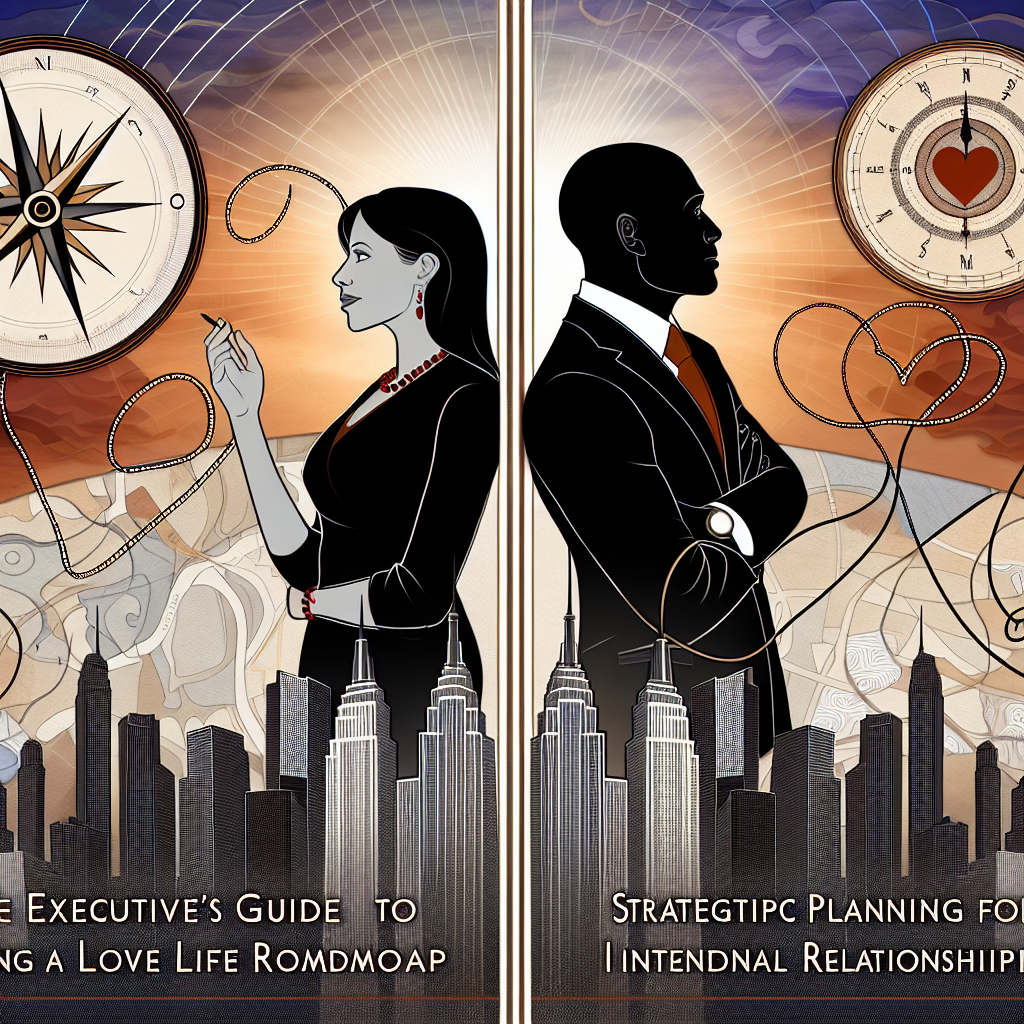
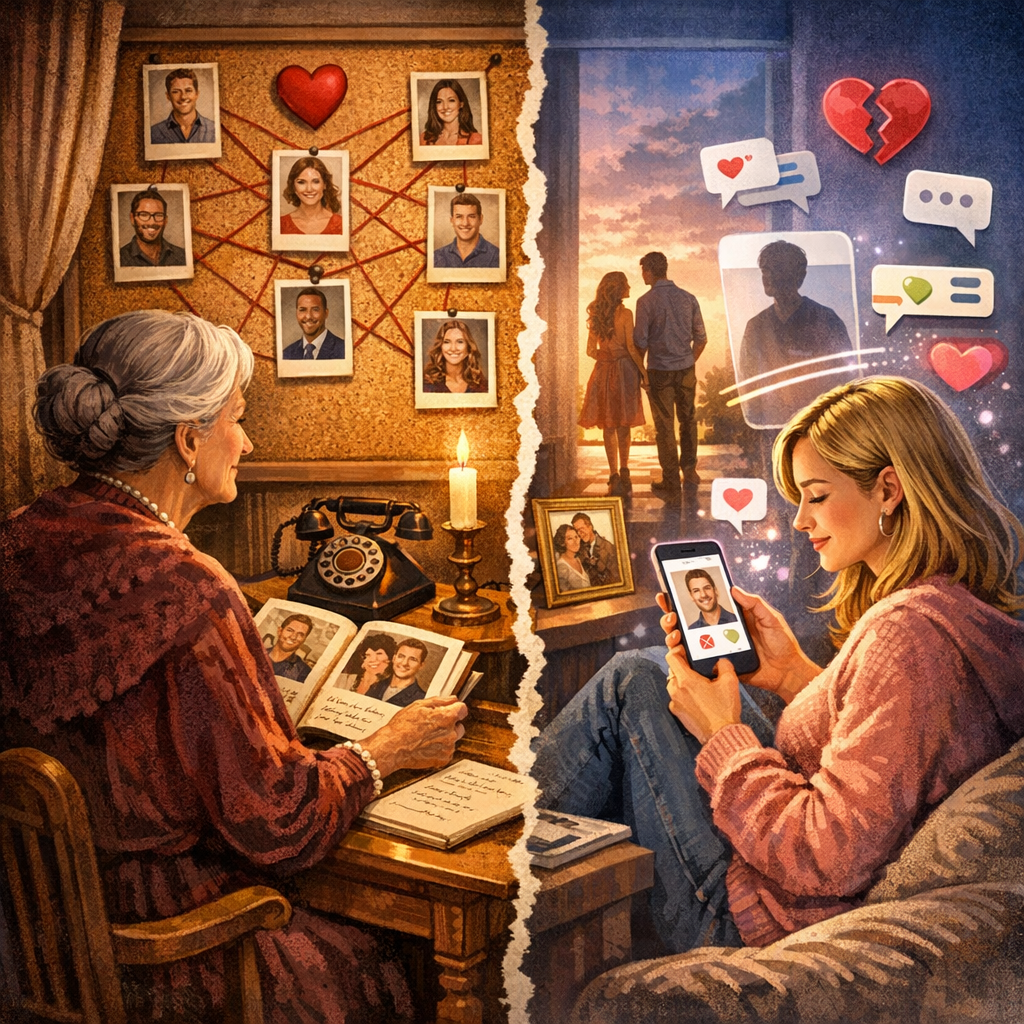
Enter the timeless art of matchmaking—a practice that dates back centuries but is making a surprising comeback as daters yearn for connections that technology alone cannot provide. Matchmakers offer a human touch, taking into account intricate personality traits and life experiences. They delve deep into personal stories and values, offering a curated experience and tailored matches that consider emotional depth, spiritual fingerprints, and authentic compatibility. This personalized process not only respects the nuances of individual differences but prioritizes genuine connection over momentary attraction.
Recently, many have started to question the efficacy of dating apps when it comes to fostering long-term relationships. According to a study published in the [Journal of Social and Personal Relationships](https://journals.sagepub.com/home/spr), while dating apps are effective for initial connections, they frequently lack the personal touch necessary to sustain relationships. Conversely, matchmaking involves a tailored understanding of compatibility, ambition, and life goals beyond digital impressions.
Features:
Supporting evidence can be found in a variety of professional and medical studies examining modern digital dating trends versus traditional matchmaking’s impact on long-term relationships. In a research paper from [Personality and Social Psychology Review](https://journals.sagepub.com/home/psr), it was noted that individuals who meet through traditional matchmakers or mutual acquaintances often report higher satisfaction levels in long-term relationships, compared to those who meet through dating apps. This shows that personal introductions, influenced by a matchmaker’s understanding of interpersonal dynamics, could foster more meaningful relationships.
Furthermore, a study conducted by the [Stanford Graduate School of Business](https://www.gsb.stanford.edu/faculty-research/working-papers) in 2019 revealed that couples who met through mutual friends had lower breakup rates than those who met online. These findings emphasized the social role that community and established relationships play in successful romantic outcomes. The emotional foothold provided by introducing mechanisms such as shared cultural backgrounds, mutual friends, and informal interviews can enhance perceived compatibility and trust levels between partners.
In addition to human connection and communal support, professional matchmakers offer a strategic advantage by vetting potential matches based on behavior analysis, personal history, and emotional quotient—factors that are regularly overlooked by rigid algorithms. This process allows matchmakers to facilitate more genuine introductions, which can lead to sustained harmony over time.
Such insights underline an important truth: while technology may offer convenience, it cannot entirely replicate the intricate understanding that human relationships require—a component essential to building robust and lasting partnerships.
Conclusion:
In conclusion, as we stand in an age marked by digital convenience, the desire for genuine connection persists. The old-school approach of matchmaking offers personalized solutions that transcend algorithmic boundaries. By nurturing emotional intelligence and understanding interconnectedness, traditional matchmaking presents the timeless promise of endearing, long-lasting love—a promise that algorithms alone cannot fulfill.
Concise Summary:
In an era dominated by dating apps promising quick connections via algorithms, traditional matchmaking offers a personalized, human-touch alternative that focuses on authentic compatibility. While such platforms excel at initial pairings, their emphasis on superficial data can be limiting. Traditional matchmakers bring emotional intelligence and nuanced understanding to the table, leading to deeper, more satisfying long-term relationships. Studies, like those from the Journal of Social and Personal Relationships and Stanford Graduate School of Business, affirm that personal introductions yield higher satisfaction levels and lower breakup rates. Ultimately, timeless matchmaking holds promise for profound, enduring connections.

Dominic E. is a passionate filmmaker navigating the exciting intersection of art and science. By day, he delves into the complexities of the human body as a full-time medical writer, meticulously translating intricate medical concepts into accessible and engaging narratives. By night, he explores the boundless realm of cinematic storytelling, crafting narratives that evoke emotion and challenge perspectives. Film Student and Full-time Medical Writer for ContentVendor.com