From Swipe Fatigue to Deep Connections: Revolutionizing Your Relationship Mindset with Life Design Thinking
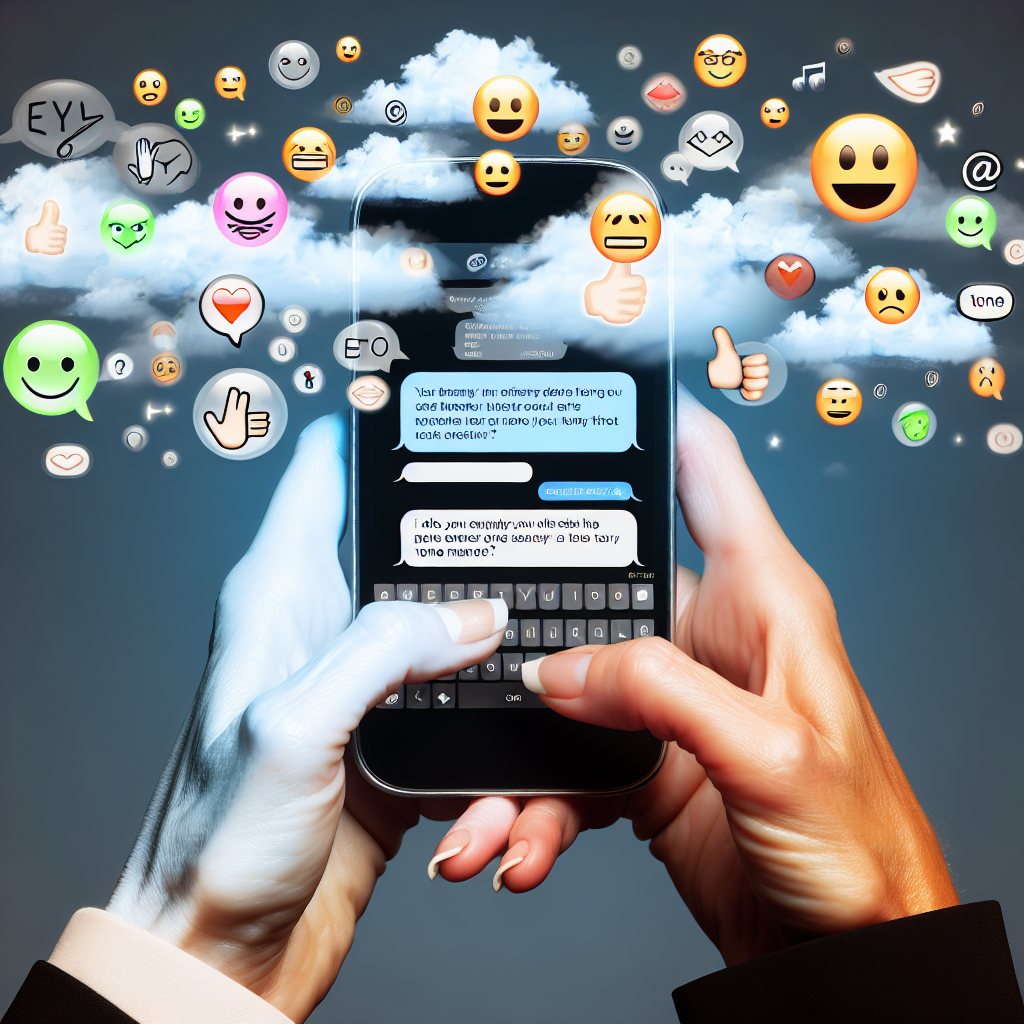
In today’s fast-paced digital world, finding a meaningful relationship can feel like navigating a never-ending sea of profiles on dating apps. For many singles, this journey, though initially exciting, soon devolves into what experts have termed ”swipe fatigue.” This phenomenon occurs when the gamified nature of dating apps wears down users, turning the hopeful pursuit of love into a tiring exercise of endless swiping with diminishing returns. As fatigue sets in, users may become disenfranchised, treating potential partners as mere digital profiles and reducing complex individuals to superficial traits.
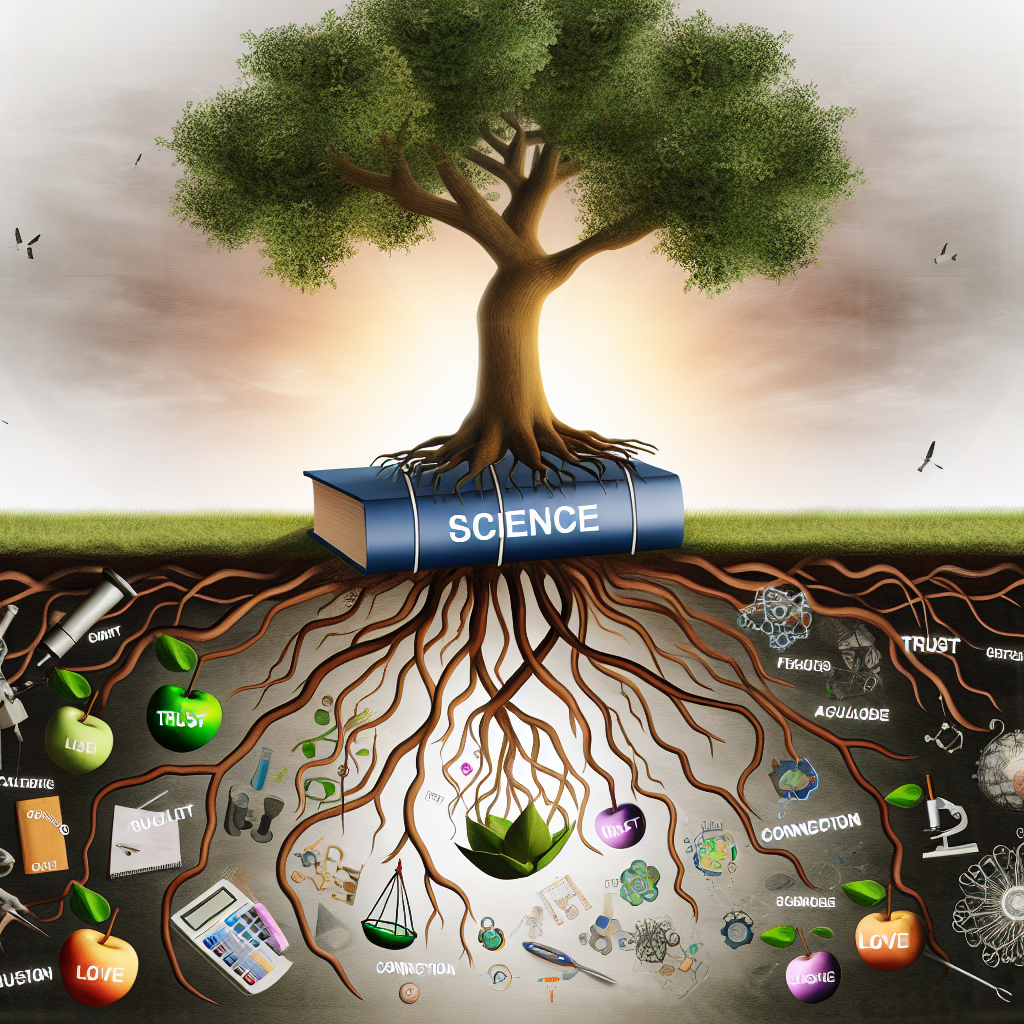
But what if we could transform this approach, steering away from superficial swiping and towards developing deep, genuine connections? Enter life design thinking—a strategy typically used in career and business development, now innovatively applied to relationships. Rooted in the principles of design thinking, this methodology emphasizes empathy, ideation, prototyping, and testing. By implementing life design thinking in the dating landscape, singles can revolutionize their relationship mindset, focusing on intentional and meaningful connections.
Instead of clocking in countless hours swiping left or right, life design thinking encourages singles to adopt a more strategic and thoughtful approach to dating. This mindset shift begins with reframing how we perceive the online dating environment, seeing it not as a monotonous task but as an opportunity to explore and grow. The emphasis is on empathy—understanding oneself and potential partners at a deeper level. By practicing life design thinking, individuals can clarify what they truly seek in a relationship, identify their core values, and understand the traits that align with a fulfilling partnership.
Integrating life design thinking into dating also involves prototyping; rather than seeking perfection, singles can experiment with different ways of connecting, learning from each experience. Additionally, life design encourages resilience, focusing on continuous learning and adaptation, much like iterating a product based on feedback. This mindset not only helps singles develop more meaningful connections but also enhances self-awareness, resulting in personal growth beyond finding a partner.
Features: Professional and Medical Insights
Several professional and medical studies have examined the implications of dating apps and the transition towards more intentional dating practices like life design thinking. A study published in the journal [Computers in Human Behavior](https://www.sciencedirect.com/science/article/abs/pii/S0747563216305865) highlights how the continuous use of dating apps can result in decision fatigue and decreased satisfaction with potential matches. The gamification of dating often reduces users’ ability to engage deeply with profiles, as they become overwhelmed by choice and the superficial appraisal of potential matches.
Furthermore, research by the [Pew Research Center](https://www.pewresearch.org) reflects that a significant percentage of online daters experience frustration due to encountering insincere profiles and a lack of substantive connections. This research underscores the urgency for strategies that prioritize meaningful engagement, such as life design thinking.
Implementing life design thinking to forge authentic relationships also draws parallels to self-determination theory in psychology, which emphasizes autonomy, competence, and relatedness as essential nutrients for human motivation. By recognizing and aligning with personal values and relationship goals, individuals foster a stronger autonomy in their dating life, enhancing their sense of competence in managing intimate relationships.
In the context of medical insights, cultivating deep relationships contributes to better mental health. Studies by [Harvard University](https://www.health.harvard.edu/newsletter_article/the-health-benefits-of-strong-relationships) underline the impact of meaningful social connections on psychological well-being. Such bonds are correlated with lower levels of anxiety and depression, increased self-worth, and greater satisfaction in life. By shifting the focus from quantity to quality, singles can form connections that bolster their mental and emotional health.
By harnessing the power of life design thinking, singles can overcome swipe fatigue, reimagining their dating journey as one rooted in meaningful interactions and personal growth rather than repetitive surface-level engagements.
Conclusion
In an era where digital interactions often lead to shallow connections, embracing life design thinking empowers singles to reimagine their dating lives, shifting their focus from swipe fatigue to nurturing deep, intentional relationships. By integrating empathy, experimentation, and resilience into the dating process, individuals not only enhance their chances of finding meaningful partnerships but also foster personal development and well-being. It’s not merely about finding someone; it’s about learning to connect on a deeper level and discovering the best version of oneself in the process.
Concise Summary
In the digital age, swipe fatigue can overwhelm singles using dating apps, reducing relationships to superficial interactions. Life design thinking*, with its focus on empathy and experimentation, offers a more meaningful approach to dating. This method invites individuals to develop genuine connections by embracing personal growth and aligning with personal values. Aligning with psychological insights, life design thinking emphasizes autonomy and competence, contributing to personal well-being. Studies show deep relationships improve mental health, reducing anxiety and depression. By prioritizing quality over quantity, life design thinking transforms dating from a tedious task into a journey of exploration and self-discovery.