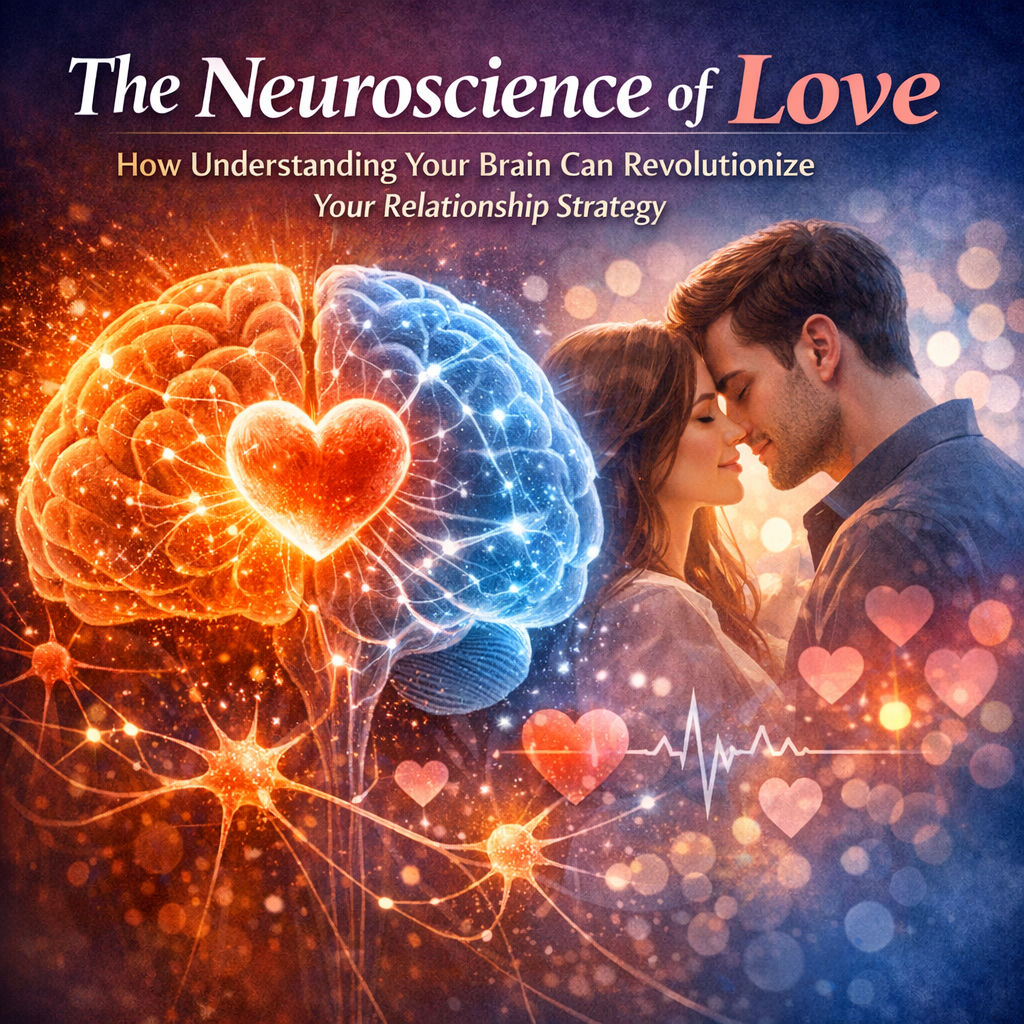
The Neuroscience of Love: How Understanding Your Brain Can Revolutionize Your Relationship Strategy
Introduction
Love is one of the most profound emotions humans experience. It inspires music, literature, art, and is often described as an inexplicable force. However, as complex as love may seem, its underpinnings reside in the intricate workings of our brains. By understanding the neuroscience behind love, singles from ages 18 to 80 can gain insights that might revolutionize their approach to relationships, making them more meaningful and fulfilling.
The brain is an exquisite organ that orchestrates every thought, emotion, and behavior. When it comes to love, specific neural circuits are activated, releasing chemicals that shape our romantic experiences. The concept of love may seem purely emotional, but it’s deeply rooted in the biological processes of the brain. From the initial spark of attraction to the intricate dynamics of long-term bonding, neuroscience offers explanations for different phases of love.
Dopamine, a neurotransmitter associated with pleasure and reward, plays a pivotal role during the attraction phase. When you meet someone special, dopamine levels surge, creating feelings of euphoria, akin to the effects of certain addictive substances. This chemical reaction explains why you might constantly think about a new love interest, feel excited, and have a heightened desire to be with them.
As relationships deepen, different chemicals come into play. Oxytocin, also known as the ‘cuddle hormone,’ fosters attachment and trust. Released during physical touch and intimate moments, this hormone is crucial for bonding, making partners feel close and secure. Understanding these mechanisms can empower individuals to foster stronger connections by nurturing behaviors that enhance oxytocin release.
Moreover, serotonin, another key player, influences mood and emotional stability. During the intense early stages of love, serotonin levels can drop, leading to obsession over a partner. Recognizing this can encourage individuals to maintain healthy boundaries and prevent the impulsive behaviors often driven by fluctuating serotonin levels.
Neuroscience not only clarifies why we fall in love but also provides strategies for maintaining relationships. Being aware of these neurochemical processes can help singles identify patterns, avoid pitfalls, and adopt a more strategic approach to dating and relationships.
Features
Scientific studies offer robust insights into the neuroscience of love, unearthing findings that transcend common romantic narratives. In a pivotal [study](https://academic.oup.com/cercor/article/15/12/1722/438433) conducted by Fisher, Aron, and Brown (2005) using MRI scans, researchers observed brain activity in individuals viewing pictures of their beloved. They noted significant activation in areas rich in dopamine, reinforcing the neurotransmitter’s role in romantic attachment.
Furthermore, a [study](https://www.frontiersin.org/articles/10.3389/neuro.01.1.1.001.2008/full) by Kringelbach et al. (2008) explored the brain’s reward system and its role in human attraction. It revealed how the orbitofrontal cortex, part of the brain associated with decision-making, interacts with the dopaminergic system to evaluate potential partners. This understanding underscores the importance of cognitive processes alongside emotional responses in forming romantic connections. By synthesizing the emotional and logical aspects of the brain, individuals can better assess potential partners.
In long-term relationships, the role of oxytocin is well-documented. A study published in “Psychoneuroendocrinology” by Feldman et al. (2013) highlighted how synchronized oxytocin release in couples correlates with relationship satisfaction and stability, emphasizing the hormone’s role in enduring bonds. This hormone ensures that the emotional glue holding couples together remains strong, suggesting that activities promoting affectionate interactions can be key to a thriving partnership.
Moreover, research into serotonin’s impact on romantic relationships provides valuable insights. Marazziti et al. (1999) found that early-stage romantic love significantly reduces serotonin transporter availability, paralleling obsessive-compulsive disorder traits. This reduction can cause individuals to fixate on their partners, which can lead to intense but sometimes unbalanced relationships. Understanding this can aid individuals in striking a balance between passion and practicality. [Read the Study](https://pubmed.ncbi.nlm.nih.gov/10576228/)
Understanding these studies encourages the use of science-backed methods in relationship strategies. For instance, activities that boost shared dopamine experiences like trying new things together, fostering open communication, and practicing physical touch can enhance oxytocin release. This scientifically informed approach enables singles to develop deeper, more rewarding relationships.
Conclusion
Embracing the neuroscience of love can transform your relationship strategy, providing clarity in the mystifying dance of human connection. By understanding how the brain influences feelings of attraction, attachment, and satisfaction, you can cultivate behaviors that foster healthier, longer-lasting relationships. Armed with these insights, singles can navigate the complexities of love with science as their guide, enriching their romantic lives at any age.
Concise Summary
Understanding the neuroscience of love can revolutionize relationships by revealing the brain’s role in emotions. Key neurochemicals like dopamine, oxytocin, and serotonin orchestrate attraction, bonding, and emotional stability. Studies show these chemicals influence behaviors and relationship satisfaction. By recognizing these biological processes, singles can adopt strategies for deeper, more meaningful connections and discern patterns that enhance relationship longevity. Integrating neuroscience insights enables individuals to navigate love’s complexities, fostering healthier and more fulfilling partnerships with science as their guide.