The Life Design Blueprint: Crafting a Relationship Strategy for High-Stakes, High-Intent Partnerships
In today’s fast-paced world, where relationships can be as transient as a passing trend, many singles are actively seeking something more substantial, enduring, and fulfilling. This quest for a high-intent partnership transcends mere casual dating; it’s about building connections with depth and purpose. For individuals from their late teens to those in their golden years, it’s not just about finding a partner, but about creating a shared life vision.
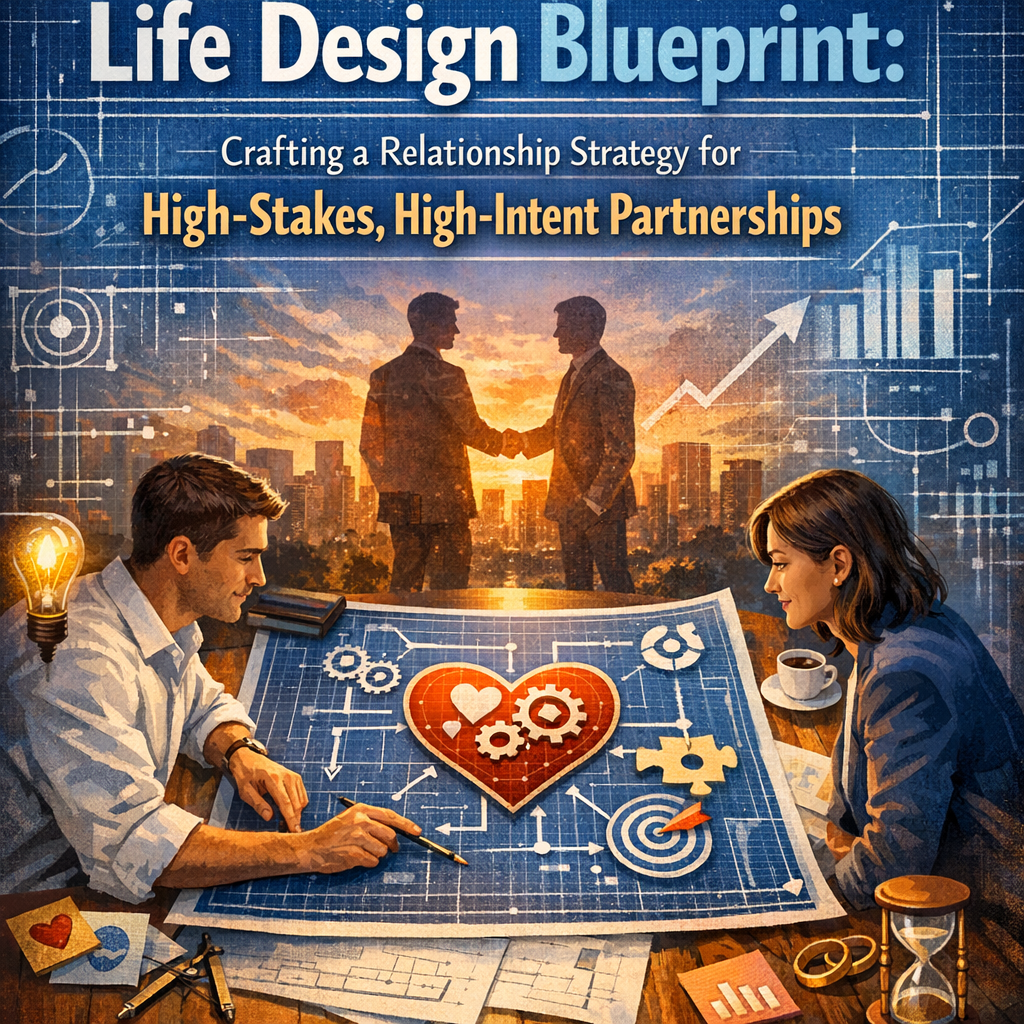
This concept, often referred to as “relationship life design,” is predicated on the notion that successful partnerships are not left to chance but are instead constructed through intentional strategies and mutual understanding. Just as a blueprint is vital for erecting a sturdy building, a life design blueprint is essential for navigating the intricacies of a meaningful relationship. Engaging in this thoughtful process can be especially important for those who have experienced the trials of past relationships, be that romantic, familial, or social.
Modern dating can sometimes feel like navigating a labyrinth without a map. With the proliferation of online dating platforms and social media channels, the sheer volume of available choices can be overwhelming. However, therein lies the opportunity. By committing to a design-focused approach, singles can sift through the noise and hone in on connections that truly resonate with their core values and aspirations. This isn’t about hastily diving into relationships, but rather cultivating ones that align on fundamental levels like shared goals, ethics, and lifestyles.
A growing body of psychological and sociological research supports the benefits of strategic relationship planning. Studies indicate that couples who engage in discussions around long-term goals, financial planning, and conflict resolution early in their relationships fare better over time. This proactive approach fosters a partnership grounded in communication and foresight, which are crucial components for enduring relationships.
In the following sections, we’ll explore the empirical support behind relationship life design and offer actionable strategies to consider when designing your own blueprint for a high-stakes partnership.
Features: The Science Behind Relationship Success
Recent studies in relationship psychology offer substantial insights into why some partnerships thrive while others falter. According to research conducted by Dr. John Gottman, a prominent psychologist known for his work on marital stability and predictability, the success of a relationship is often determined early on by certain key behaviors. Gottman’s studies emphasize the importance of communication, suggesting that partners who engage in constructive dialogue and approach disagreements with a mindset geared towards understanding are more likely to maintain a stable relationship. The concept of the “Gottman Ratio,” which indicates that stable relationships have a ratio of five positive interactions to one negative, further supports this idea. [Gottman Institute](https://www.gottman.com/)
In addition to Gottman’s findings, other studies highlight the role of shared values and life goals. According to a study published in the journal *Personal Relationships*, couples who discuss and align their future goals report higher relationship satisfaction and longevity than those who avoid such discussions. This alignment serves as the cornerstone of the relationship blueprint, as it allows both partners to navigate their partnership with mutually agreed-upon directions and aspirations.
Medical insights also play a crucial role in understanding the dynamics of successful partnerships. Research published in *The Journal of Family Psychology* connects couples’ physical health to their relationship health, asserting that a supportive and collaborative partnership can lead to lower stress levels and better overall wellness. This underscores the impact of a thoughtfully designed relationship strategy, as it not only benefits emotional health but extends to physical health as well. [Journal of Family Psychology](https://psycnet.apa.org/journals/fam/)
Moreover, professionals advocate for the practice of regular “relationship check-ins,” a strategy that resembles performance reviews in a professional setting. These check-ins provide partners the space to voice concerns, celebrate successes, and recalibrate goals, thereby facilitating ongoing growth and adaptation throughout the relationship’s lifetime.
Incorporating these scientific insights into your relationship blueprint can empower singles and couples alike. It provides a roadmap of what to consciously strive towards, enhancing not only the quality but also the sustainability of the partnership.
Conclusion
Crafting a life design blueprint is a transformative step for singles seeking high-stakes, high-intent partnerships. By drawing on scientific studies and strategic planning, individuals can move beyond traditional dating methods to forge connections that are both meaningful and enduring. Relationships built on this foundation of intentionality and mutual growth not only stand the test of time but also enrich the lives of those involved. As you embark on your dating journey, remember that your relationship strategy is a vital component of your overall life design. So dare to dream, plan, and act boldly in your pursuit of lasting love.
Concise Summary
The “Life Design Blueprint” offers a strategic approach for individuals seeking high-intent, meaningful relationships. By focusing on shared values, long-term goals, and communication, individuals can transcend casual dating to build enduring connections. Supported by research from relationship psychology experts like Dr. John Gottman, this blueprint advocates intentional relationship planning, regular check-ins, and alignment with core values. Such strategies not only enhance the quality and longevity of partnerships but also foster emotional and physical well-being. This transformative process empowers singles to navigate modern dating complexities with purpose and foresight.