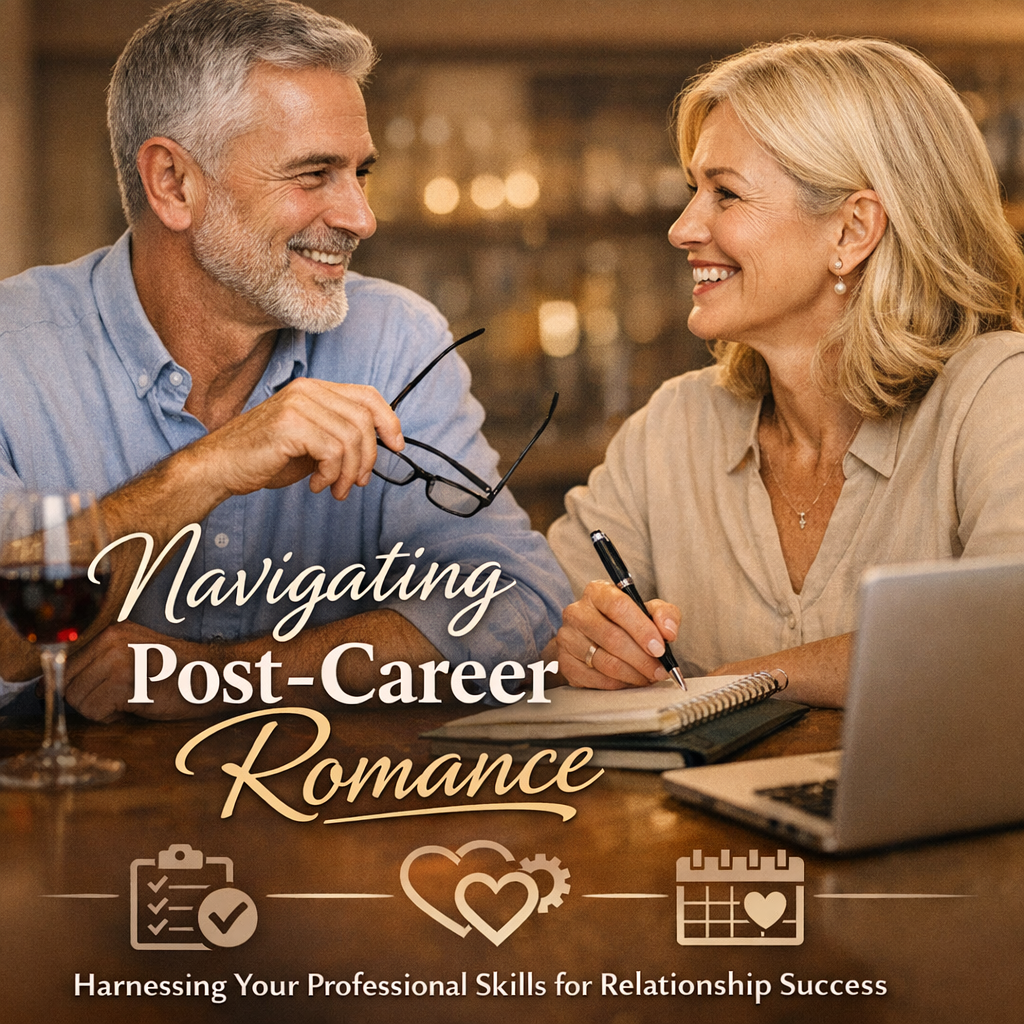
Navigating Post-Career Romance: Harnessing Your Professional Skills for Relationship Success
As individuals transition from their bustling careers into a new chapter of life, the prospect of romance can be both exhilarating and daunting. For many, the end of a career marks not just a shift in daily routines but also an opportunity to rediscover personal aspirations, including nurturing or initiating romantic connections. With more time to cultivate relationships, individuals from their 30s to their 80s are increasingly looking for companionship that complements the wisdom they’ve gained over years of professional experience. For singles in this age bracket, leveraging the skills honed during their careers can be a powerful asset in building meaningful relationships.
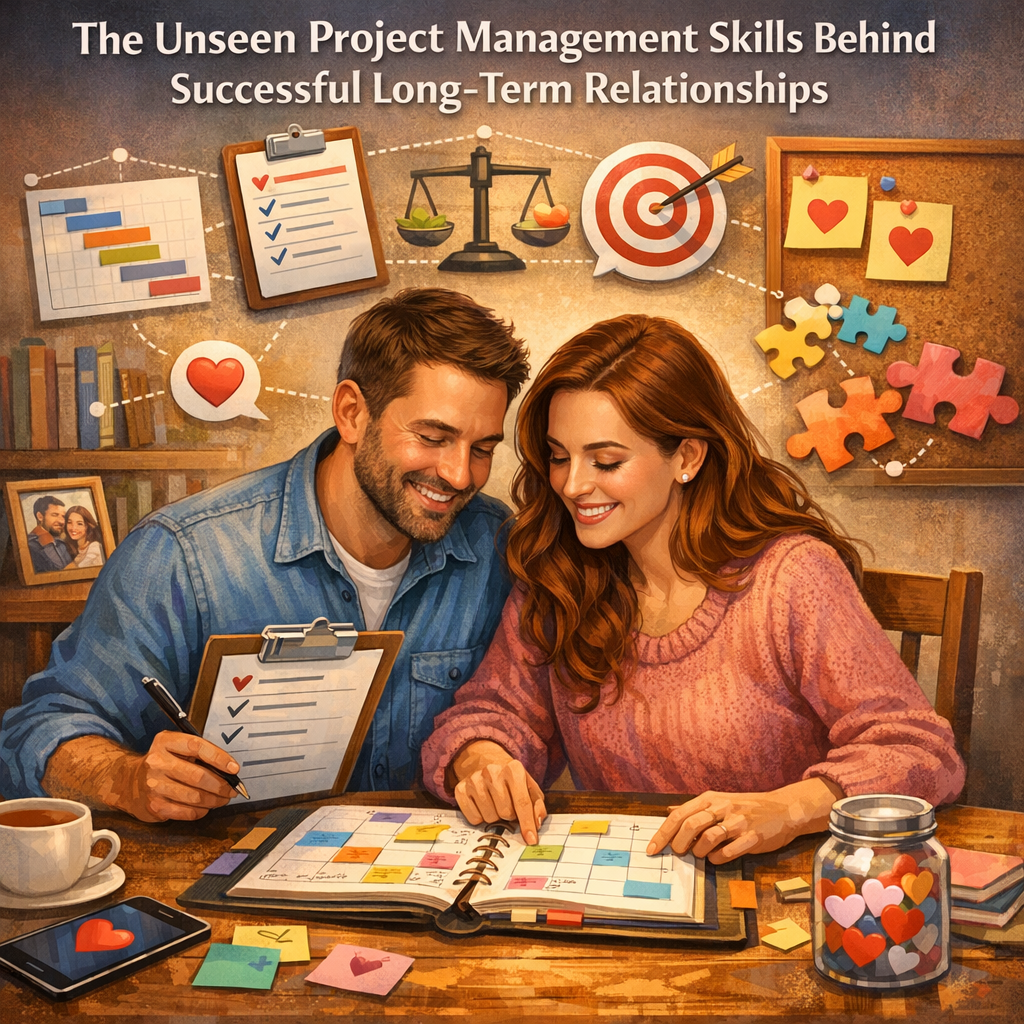
Work-life has equipped many with communication, empathy, patience, and negotiation skills—traits imperative for cultivating successful personal relationships. Professionals often spend decades fine-tuning their ability to collaborate and understand diverse personalities, making them adept at managing the nuances of romantic relationships. Navigating a post-career romance is thus an opportunity to apply these seasoned abilities in a context that promises personal fulfillment beyond career accomplishments.
As people retire from their structured career environments, they bring with them not only managerial expertise and a penchant for strategic planning but also a wealth of experience in conflict resolution and stress management. Such attributes are invaluable in understanding a partner’s needs and fostering a nurturing relationship. Moreover, as digital platforms continue to redefine how connections are made, embracing technology and integrating it with these professional skill sets can enhance the search for a compatible partner exponentially. It’s essential to note that today, numerous online dating platforms exist, specifically catering to mature singles, making it easier to find relationships that resonate with personal values and life goals.
In essence, the transition from a career-focused to a romance-focused lifestyle presents a golden opportunity to apply career-honed skills to personal endeavors. It allows for the celebration of personal growth and companionship in a fulfilling, supportive manner that aligns with one’s evolved life goals. Recognizing this shift as a strategic transformation rather than a mere pivot can redefine post-career romance for the modern age, ensuring that love, connection, and partnership are continual sources of joy and support.
Features: Studies on Professional Skills in Relationships
Numerous studies highlight the correlation between professional expertise and relationship satisfaction. A study published in the *[Journal of Social and Personal Relationships](https://journals.sagepub.com/home/spr)* reveals that communication skills significantly enhance relationship satisfaction among couples. Effective communication, a skill often sharpened in corporate settings, helps partners articulate feelings and resolve conflicts more efficiently, contributing to healthier relationships.
Moreover, research from the *[Harvard Business Review](https://hbr.org/)* emphasizes the importance of emotional intelligence (EI) in both workplace success and personal relationships. EI involves the ability to recognize, understand, and manage our own emotions, and to recognize, understand, and influence the emotions of others. High EI, a trait often nurtured in leadership roles, is pivotal in building empathy and establishing connections in any relationship.
The benefits of structure and routine, hallmark principles of many successful careers, are likewise echoed in relationship dynamics. A study featured in the *[American Journal of Family Therapy](https://www.tandfonline.com/toc/uaft20/current)* suggests that couples who maintain a level of routine and structure in their relationships often report higher levels of satisfaction and stability. This reflects the notion that the organization and time-management skills fostered during professional life can enhance relationship quality by creating a reliable partnership framework.
Interestingly, a more recent exploration by the *[National Institute on Aging](https://www.nia.nih.gov/)* indicates that older adults often bring greater patience and negotiation skills to relationships than their younger counterparts. As the aging adult population delves into new romantic endeavors, they tend to prioritize compatibility and use their matured skillset for conflict resolution and diplomacy to navigate the complexities of relationships effectively.
Conclusion
As individuals transition from their professional careers into a new horizon of romance, the vast reservoir of skills they’ve amassed over their careers becomes invaluable. By blending professional acumen with personal ambition, post-career singles can forge meaningful and satisfying relationships that reflect both their personal growth and their desire for companionship. Embracing this unique phase with openness and leveraging past experiences can indeed transform the romantic landscape into one brimming with possibilities and happiness.
Concise Summary
Transitioning from a career to focusing on romance offers a prime opportunity to leverage professional skills like communication, empathy, and emotional intelligence. This phase allows individuals, especially in their 30s to 80s, to use career-honed skills such as conflict resolution and stress management to build meaningful relationships. Studies from various journals underscore how skills developed at work can significantly enhance relationship success. Embracing technology in finding compatible partners further aids those seeking companionship. Ultimately, this period becomes an avenue for celebrating personal growth and forging satisfying relationships that align with evolved life goals.