Case Study: How a Hedge Fund Manager Broke the Cycle of Short-Term Dating and Found a Life Partner in 6 Months
Introduction
In the high-stakes world of hedge fund management, time is money, calculated decisions are a daily routine, and long-term investments are carefully curated. Yet for many professionals immersed in such demanding fields, the area of romantic relationships often suffers.
This was the case for Mark Thompson (name changed for privacy), a 42-year-old hedge fund manager based in New York City. His personal life had been marred by a cycle of short-term relationships, dating app fatigue, and emotional disconnection. While thriving professionally, Mark became increasingly disillusioned with the transient nature of modern dating. He realized he had unintentionally developed ineffective relationship patterns, which reflected a growing concern among singles. In fact, nearly 60% of users report dissatisfaction with their dating experiences, often citing emotional burnout and lack of deeper connection ([Pew Research Center](https://www.pewresearch.org/fact-tank/2020/08/20/most-dating-app-users-say-theyre-not-satisfied-with-the-dating-experience/)).
The turning point came when a colleague recommended a professional matchmaking and dating strategy service. Reluctant but intrigued, Mark decided to approach finding love in the same way he did his career—with intention, analysis, and expert guidance. The transformation that followed involved psychological coaching, profile optimization, value-based dating strategies, and ultimately, meeting his now life partner, Rachel, a scientist with shared values and compatible goals.
This case explores how strategic dating techniques and self-development can break toxic cycles and foster lasting connections—at any age or stage.
Relevant Studies and Supporting Features
To understand Mark’s transformation and its broader implications, it’s essential to examine psychological and scientific research that supports the methodologies used during his journey.
Biological Compatibility and Personality Typing
One foundational framework involved insights from Dr. Helen Fisher, a biological anthropologist and senior research fellow at the Kinsey Institute. Dr. Fisher’s model breaks down people into four brain-chemistry-based personality types—Explorer, Builder, Director, and Negotiator. Each type is drawn to a specific complementary partner.
Mark’s structured, logic-driven mindset aligned closely with the Director type, often seeking intellectual, empathetic counterparts like a Negotiator. With this framework in mind, his dating consultant focused on biologically and personality-compatible prospects—accelerating the compatibility process and filtering out relationships unlikely to thrive.
Attachment Theory and Emotional Patterns
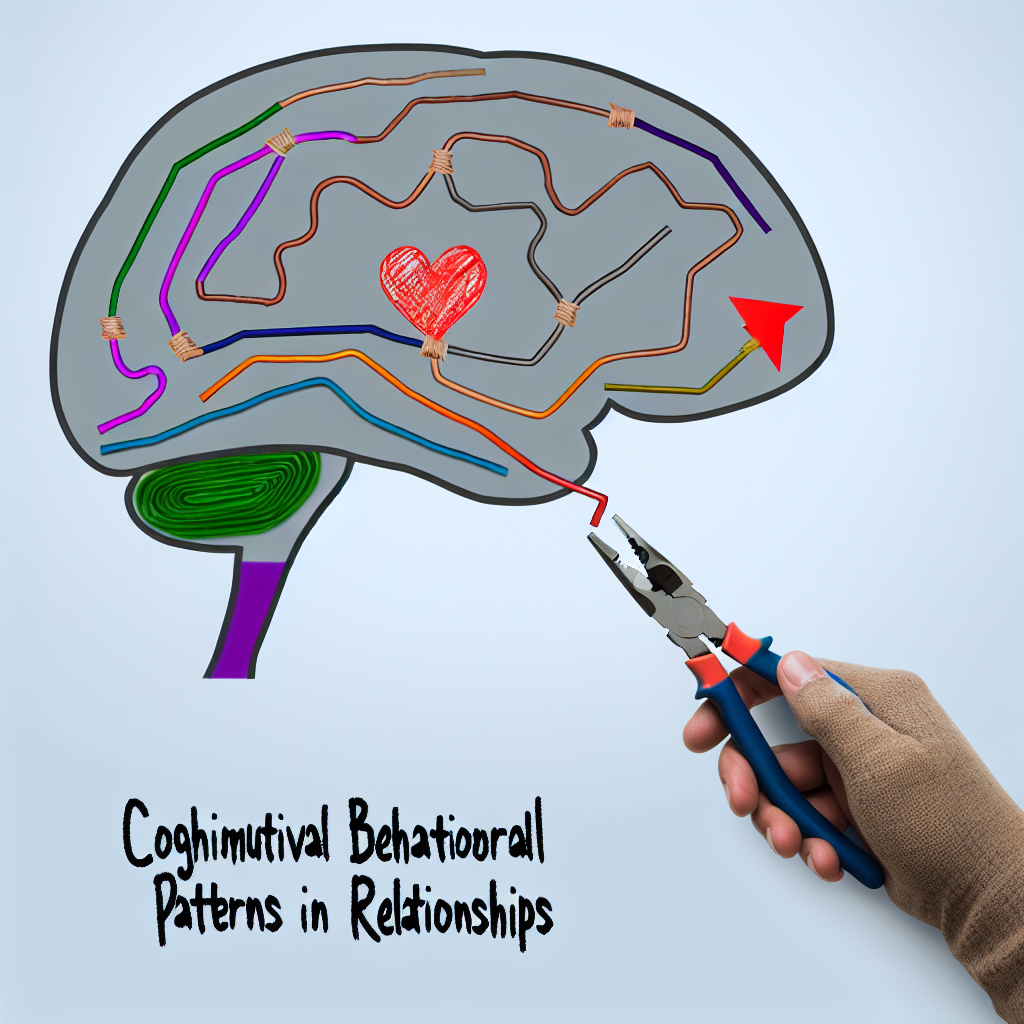
A key revelation came through Mark’s participation in Attachment Theory coaching, based on the work of John Bowlby and expanded by Mary Ainsworth. Attachment theory defines how early life experiences with caregivers affect emotional bonding patterns in adulthood: secure, anxious, avoidant, and disorganized.
A 2020 study published in the Journal of Social and Personal Relationships supports the long-term benefits of identifying one’s attachment style in improving relationship outcomes.
Mark discovered he leaned toward an avoidant attachment style—common among high-achieving professionals prone to emotional distancing. Weekly coaching helped him explore emotional boundaries in a safe space, build vulnerability through journaling, and shift away from self-protective habits that hinder close bonding.
Profile Optimization and Authentic Representation
Another game-changer came from revamping Mark’s online dating presence. He worked with a profile optimization specialist, which included professional-level photography tailored to showcase authenticity, compelling bios centered around personal values, and intentional prompts.
According to a 2022 study by eHarmony Research, profiles that focus on core values and authenticity saw up to a 40% increase in compatible matches compared to those based on looks or superficial statements.
Mark’s updated presence conveyed emotional depth, career ambition, and lifestyle compatibility, leading to higher quality interactions and promising first dates.
Intentional Dating and Slow Connection Strategy
At the advice of his dating coaches, Mark adopted an intentional dating philosophy known as ”slow dating”—a trend that emphasizes deeper conversations, emotional vulnerability, and screening for values early on. Instead of rapid dating turnover, Mark focused on cultivating connection through phone calls and value-based first meetings.
This practice not only reduced emotional fatigue and burnout but allowed for intentional decision-making. Within four months, Mark narrowed his options down to two highly compatible individuals. He ultimately chose to exclusively date Rachel—a scientist whose empathy, curiosity, and intellectual spirit complemented his analytical mind.
Conclusion
Mark’s story illustrates a powerful lesson: approaching love with the same strategy, clarity, and intention used in professional life can yield deeply fulfilling personal results. Just as he analyzes financial markets and mitigates investment risk, Mark applied those disciplines to relationships—through guided introspection, scientific matchmaking, and emotional intelligence coaching.
With these tools, he broke reactive relationship patterns, embraced emotional growth, and found a partner whose values, lifestyle, and vision aligned with his. This approach proves timeless—whether you’re 25 or 75, there are profound benefits in dating with a plan tailored to your emotional blueprint. Mark’s journey is a testament to the idea that in both finance and love, long-term value beats short-term volatility every time.
Concise Summary
Mark Thompson, a 42-year-old hedge fund manager, broke the cycle of unsatisfying short-term relationships by applying strategic, research-based approaches to his dating life. Through psychological coaching, personality matching using Helen Fisher’s biological types, understanding attachment styles, and optimizing his dating profile, Mark transformed his approach. Intentional dating led him to connect with Rachel, a compatible partner who aligned with his values. His six-month journey shows that combining emotional insight with data-driven strategy can lead to meaningful, sustainable love—an approach relevant for singles across all ages.
References
– Pew Research Center – Dating App User Dissatisfaction
– Dr. Helen Fisher – Biological Compatibility & Personality Types
– Journal of Social and Personal Relationships – Attachment Styles
– eHarmony Research – Value-Based Matching

Dominic E. is a passionate filmmaker navigating the exciting intersection of art and science. By day, he delves into the complexities of the human body as a full-time medical writer, meticulously translating intricate medical concepts into accessible and engaging narratives. By night, he explores the boundless realm of cinematic storytelling, crafting narratives that evoke emotion and challenge perspectives. Film Student and Full-time Medical Writer for ContentVendor.com