Behind the Curtain: The 15-Point Checklist Matchmakers Use During a Client’s Initial “Deep Dive” Interview
Introduction
If you’ve ever considered hiring a matchmaker, you might envision a glamorous process filled with romantic possibilities and curated introductions. While there’s certainly excitement in the air, behind every successful match lies a rigorous system built on psychology, compatibility science, and good-old-fashioned human intuition. At the core of that system is the initial matchmaking interview — a deep, meaningful conversation designed to uncover who you truly are and what you really need in a partner. This isn’t just a chat over coffee; it’s a professional deep dive that lays the groundwork for transformational relationship success.
The first step in any professional matchmaking journey is understanding the client beyond surface-level qualities. This exploration is critical because, while dating apps often prioritize looks and short bios, matchmakers dig deeper to unveil emotional patterns, past relationship dynamics, communication styles, and long-term goals. Think of it as a diagnostic session for your love life. The ultimate goal? Creating matches based on real compatibility — not just fleeting attraction or chemistry.
By examining a client’s personal history, professional background, relationship preferences, family dynamics, and emotional needs, matchmakers can identify behavioral patterns and potential red flags while also highlighting emotional strengths and future aspirations. This holistic approach is crucial in today’s modern dating culture, where time is limited, expectations are sky-high, and authenticity is more sought after than ever.
Whether you’re a Gen Z digital dater just starting out or an experienced singleton in your 60s or beyond, modern matchmaking is a highly personalized service that continues to prove its worth. In a world where algorithms and swipes often leave people feeling disenchanted and overlooked, a matchmaker offers human insight backed by data-driven tools. Understanding what truly drives emotional and practical compatibility is both an art and a science — and matchmakers are master practitioners.
So, what exactly happens during that all-important first interview? Let’s pull back the curtain and reveal the powerful 15-point checklist that professional matchmakers use to jumpstart relationship success.
The 15-Point Matchmaking Interview Checklist & Supporting Studies
Modern matchmaking is increasingly data-driven and psychology-informed. Matchmakers rely on emotionally intelligent insights and evidence-based methods to assess behavioral patterns and compatibility profiles. Below is the comprehensive 15-point checklist used in a client’s initial “deep dive” interview — a vital process that helps professionals tailor introductions with long-term relationship success in mind.
1. Relationship History & Patterns
Understanding how past relationships started and ended provides insight into attachment styles and behavioral trends. Research into attachment theory shows it dramatically influences relationship satisfaction and longevity. Matchmakers explore emotional triggers, infidelity history, length of partnerships, and recurring issues for less obvious but critical indicators of long-term potential.
2. Core Values & Belief Systems
Matchmakers place high value on discovering a client’s core beliefs. Research published in the Journal of Marriage and Family found that shared values — such as views on integrity, loyalty, religion, and purpose — are more predictive of a successful marriage than initial chemistry.
3. Communication Styles
Clients are assessed on how they express needs and resolve conflict. Are they assertive, passive, or combative? According to the Journal of Social and Personal Relationships, communication styles directly impact relational health, intimacy, and conflict resolution.
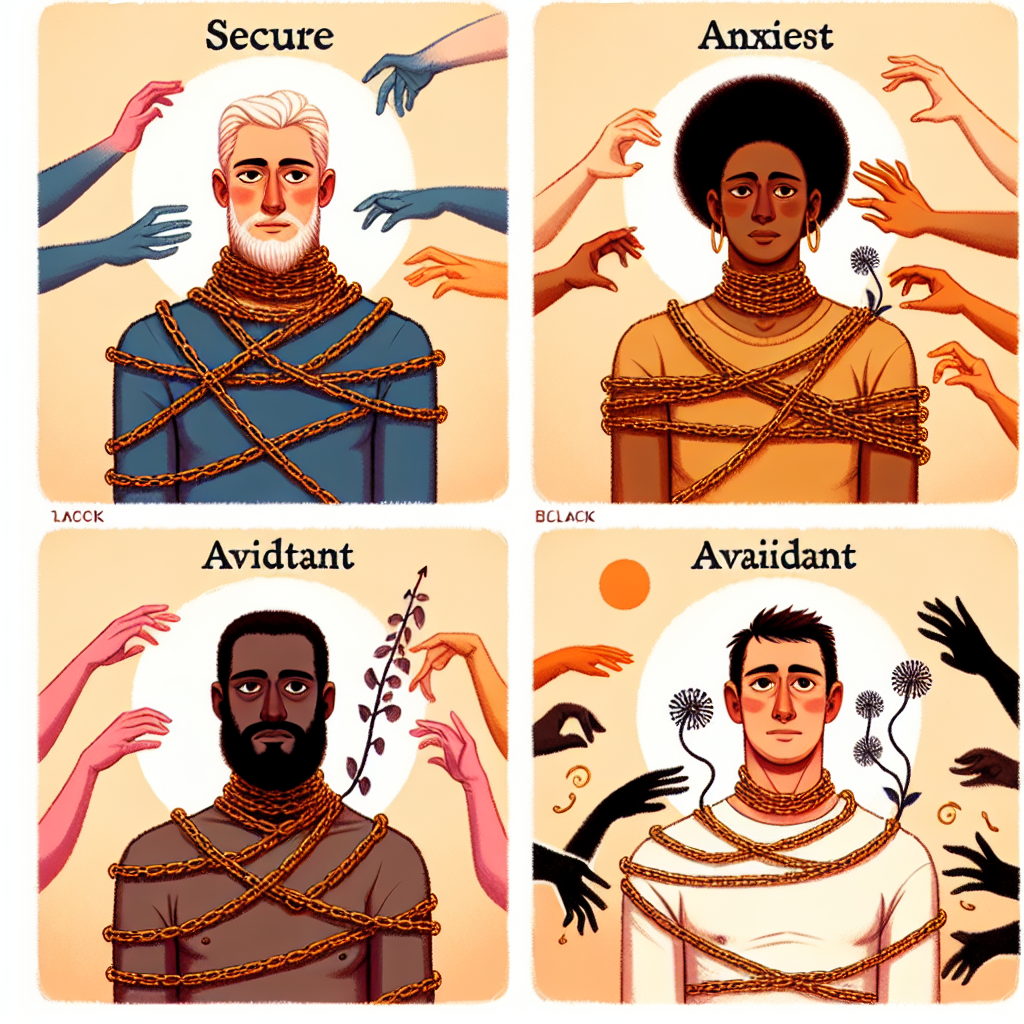
4. Attachment Style Evaluation
Understanding a client’s emotional framework—whether secure, avoidant, or anxious—is essential. Influenced by childhood experiences, this evaluation, supported by studies from Dr. Sue Johnson, helps predict how clients handle closeness, trust, and vulnerability in romantic contexts.
5. Personality Traits (Big Five Assessment)
Traits such as openness, conscientiousness, and agreeableness are often explored using the Big Five Framework. These traits are integral to determining compatibility, especially for long-term, emotionally sustaining relationships.
6. Lifestyle Preferences
From morning routines and dietary habits to drinking, exercise, and how people spend time after work—matchmaking involves very real-world compatibility. Misalignments here, while seemingly minor at first, often produce cumulative friction over time.
7. Family Dynamics & Childhood Influences
Does the client come from a close-knit or fractured household? What role models shaped their views on love and loyalty? Research from the American Psychological Association (APA) confirms early life experiences heavily influence adult relationships.
8. Religious and Spiritual Beliefs
Whether devoutly religious, spiritual-but-not-religious, or atheist, understanding these beliefs ensures lifestyle compatibility and appropriate partner selection.
9. Career Aspirations & Financial Values
Money matters, but so do work ethics and ambition. Some people prioritize stability; others value entrepreneurship or travel. Alignment around ambition and spending styles helps prevent conflicts over finances.
10. Geographical Preferences & Mobility
Where a person lives and whether they’re willing to move impacts compatibility. The rise of remote work offers flexibility, but for some, geography still poses logistical and emotional challenges for dating and cohabitation.
11. Family Planning & Parenting Views
Do they want children? Already have them? Open to adoption? Views on parenting deeply impact how partnerships are structured and nurtured over time.
12. Intimacy & Sexual Compatibility
Physical connection is important and varies from person to person. Comfort with discussing desires, boundaries, and expectations is essential for intimacy. Matchmakers may coordinate with sexologists or certified therapists when necessary.
13. Conflict Resolution Strategies
Using principles from the Gottman Institute, professionals assess how clients manage disagreements. Do they lash out, shut down, compromise? The answers here help with identifying temperament alignment.
14. Emotional Availability & Readiness
A client may claim to want love, but still be emotionally closed due to recent heartbreak. Matchmakers assess emotional readiness and help clients recognize unresolved baggage.
15. Ideal Partner Description vs. Realistic Expectations
Many people create “wish lists” that reflect fantasy rather than reality. Matchmakers peel back these expectations to uncover what clients need—not just what they want.
This personalized yet structured approach is what sets matchmaking apart from conventional dating platforms. Unlike superficial algorithms, a deep dive interview uncovers meaningful, nuanced, and practical alignment for soul-deep relationships.
Conclusion
The deep-dive matchmaking interview is less about judgment and more about revelation. It’s an introspective journey where clients gain clarity on their patterns and prepare for genuine connection. Whether you’re in your 20s or 60s, emotional intelligence, value alignment, and readiness remain crucial indicators of long-lasting love. Matchmakers transform guesswork into insight using a clear, empathetic process. With the 15-point checklist in hand, they bridge dreams and reality—where chemistry meets compatibility and real love begins to flourish.
References
– Attachment Theory: https://www.ncbi.nlm.nih.gov/pmc/articles/PMC1857273/
– Journal of Marriage and Family: https://onlinelibrary.wiley.com/journal/17413737
– Journal of Social and Personal Relationships: https://journals.sagepub.com/home/spr
– Big Five Personality Traits: https://www.simplypsychology.org/big-five-personality.html
– American Psychological Association: https://www.apa.org/
– The Gottman Institute: https://www.gottman.com/
Concise Summary
Professional matchmaking begins with a detailed “deep dive” interview, guided by a 15-point checklist rooted in psychology and human behavior. This process goes beyond dating app filters, exploring past relationships, values, emotional readiness, communication styles, and life goals. Studies in attachment theory, personality psychology, and relational science support this framework. Whether you’re a young professional or a seasoned dater, this holistic process helps matchmakers ensure compatibility that leads to emotionally fulfilling, long-lasting relationships. The secret to matching success lies in blending intuition with structure—where feelings meet facts and genuine love finds its place.