Building Rejection Resilience: A Neuroscientific Approach to Handling “No’s” Without Losing Confidence
Introduction
Rejection is one of the most universally felt and simultaneously dreaded experiences in the dating world. Whether you’re 18 or 80, hearing “no” from someone you’re interested in can feel deeply personal, triggering insecurities and potentially discouraging you from putting yourself out there again.
But what if we told you that how we respond to rejection in dating isn’t just emotional—it’s also neurological? The brain plays a significant role in shaping our reactions to social exclusion and setbacks, including romantic disappointments.
For singles navigating modern dating—whether through dating apps, social events, or matchmaking services—understanding how rejection affects your brain is essential. This awareness helps you manage your emotional responses more effectively and strengthens your emotional resilience over time.
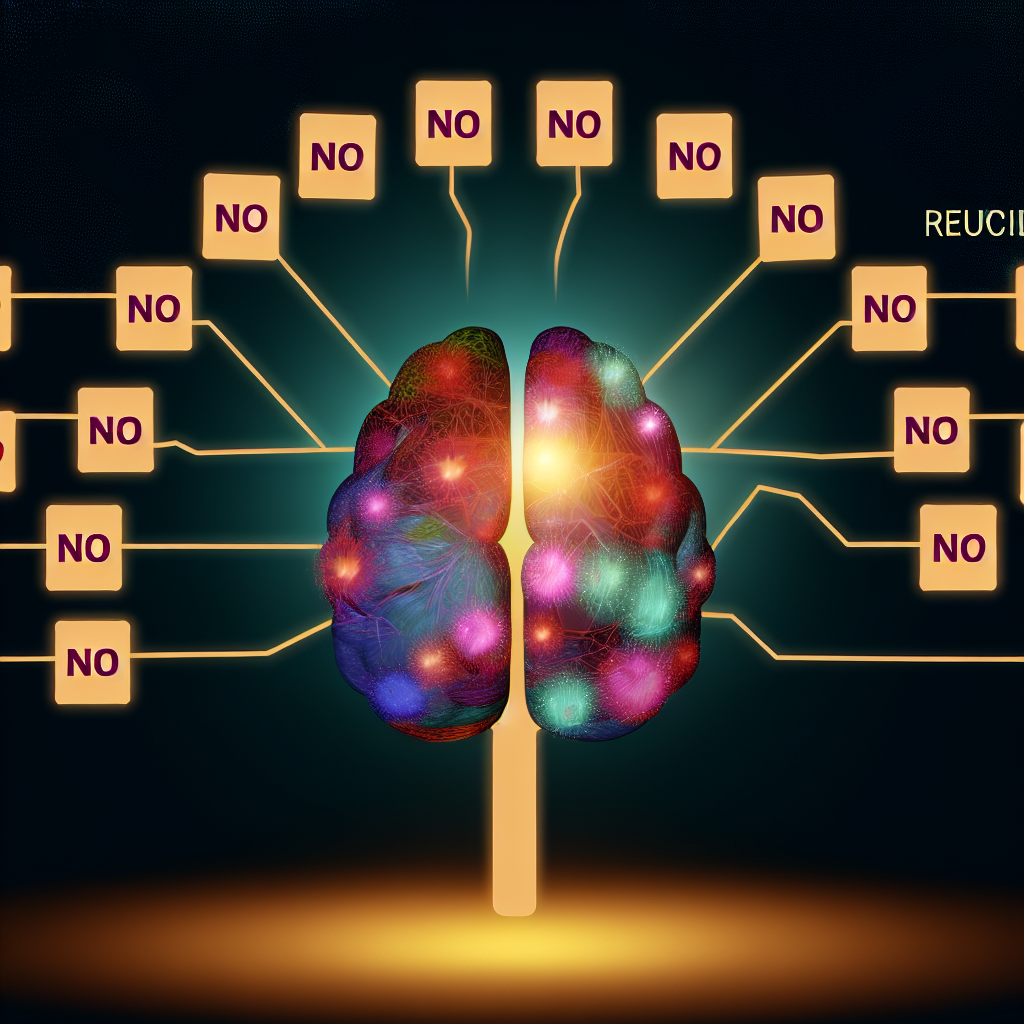
When viewed through the lens of neuroscience, romantic rejection is more than just a blow to the ego—it activates the same brain regions associated with physical pain. This explains why getting ghosted or turned down can feel just as painful as a scraped knee or a stubbed toe.
Rejection resilience—our ability to bounce back and maintain confidence, composure, and clarity after hearing “no”—can be developed by understanding what happens in our brains and bodies during rejection.
When someone turns down a date or doesn’t respond to a message, dozens of subconscious processes are sparked. Fortunately, these are not set in stone. Thanks to the brain’s remarkable plasticity, we have the power not just to cope with rejection but also to grow stronger from it by changing the way we think and process pain.
In this article, we’ll explore the biological and psychological impacts of romantic rejection and offer science-based strategies to help you build confidence and resilience in your dating journey.
Relevant Scientific Features and Studies
In the last decade, neuroscience has made strides in explaining why social rejection hurts so much. One of the most frequently cited studies was conducted by Dr. Naomi Eisenberger, a social neuroscientist at UCLA. Her groundbreaking research found that social rejection activates the anterior cingulate cortex—the same part of the brain involved with physical pain. Her study, published in Science (2003), showed that emotional pain isn’t just “in your head”—it’s processed as a survival threat, because human beings are biologically wired for connection and belonging.
Additional research in the Journal of Personality and Social Psychology reveals that persistent exposure to romantic rejection can impact self-esteem, identity development, and long-term well-being. The good news? These effects aren’t permanent.
Thanks to the principle of neuroplasticity, the brain has the ability to rewire itself. When we adopt new behaviors and thought patterns, we change how our brain responds to rejection. This means resilience can be learned.
Mindfulness, Cognitive Behavioral Therapy (CBT), and journaling have all shown effectiveness in helping individuals cope with rejection. These practices influence the amygdala (which handles fear and emotional responses) and the prefrontal cortex (associated with rational thought and self-regulation), allowing us to recover more quickly.
A 2014 study out of Rutgers University demonstrated that engaging in self-affirmation exercises—like writing about personal values—can minimize the emotional pain of rejection. Participants in this research showed increased activity in the ventromedial prefrontal cortex, an area responsible for processing self-worth and managing negative emotions (Letterman, 2014).
CBT also encourages the use of reframing. When someone thinks, “I’ll never find anyone,” CBT would prompt the individual to instead say, “This wasn’t the right match, but someone else might be.” This reconditioning of thought helps reframe rejection as an impersonal mismatch rather than a personal failure.
Another fascinating component of recovery is oxytocin, known as the “love hormone.” Boosting oxytocin through physical exercise, social bonding, or even hugging a pet has measurable effects on reducing emotional distress. According to research in Psychoneuroendocrinology, oxytocin helps restore emotional balance following romantic disappointment.
These scientific insights make it clear: romantic rejection doesn’t have to shake your core. With knowledge and attention, we can transform a “no” into fuel for continued confidence and emotional growth.
Conclusion
Rejection is an inevitable part of the dating experience, but it doesn’t need to lead to emotional collapse. When you understand the neuroscience of rejection, you become empowered to take control of your responses.
By intentionally practicing techniques like mindfulness, self-affirmation, journaling, and reframing negative thought patterns, you not only reduce the sting of a “no,” but you also strengthen your ability to remain open, confident, and emotionally available for future opportunities.
Whether you’re new to dating or returning to it after a long break, building rejection resilience helps turn each emotional setback into a stepping stone. It’s not the rejection itself that defines your future love life—it’s how you show up after it. Courage, clarity, and compassion (especially for yourself) pave the way to deeper, more rewarding connections.
Concise Summary
Romantic rejection triggers brain regions linked to physical pain, making it feel intensely emotional. But recent neuroscience shows we can boost our “rejection resilience” with mental strategies like mindfulness, self-affirmation, journaling, and reframing thoughts. These reshape our brain’s responses, particularly in areas like the prefrontal cortex and amygdala. Hormones like oxytocin also help ease emotional pain post-rejection. Knowing how rejection affects the brain allows singles to reduce its sting, build confidence, and stay optimistic in their dating efforts—turning every “no” into an opportunity for personal growth.
References
– Eisenberger, N. I., Lieberman, M. D., & Williams, K. D. (2003). Does rejection hurt? An fMRI study of social exclusion. Science, 302(5643), 290–292.
– Sherman, D. K., & Cohen, G. L. (2006). The psychology of self‐defense: Self‐affirmation theory. Advances in Experimental Social Psychology, 38, 183-242.
– Kross, E., Berman, M. G., Mischel, W., Smith, E. E., & Wager, T. D. (2011). Social rejection shares somatosensory representations with physical pain. Proceedings of the National Academy of Sciences, 108(15), 6270-6275.
– Letterman, K. (2014). Self-affirmation activates brain systems associated with self-related processing and reward and is reinforced by future orientation. Psychological Science, 25(3), 800–807.
– Zeki Al Hazzouri, A., et al. (2014). Social stress, self-affirmation, and the role of oxytocin. Psychoneuroendocrinology, Volume 49, 53-61.

Dominic E. is a passionate filmmaker navigating the exciting intersection of art and science. By day, he delves into the complexities of the human body as a full-time medical writer, meticulously translating intricate medical concepts into accessible and engaging narratives. By night, he explores the boundless realm of cinematic storytelling, crafting narratives that evoke emotion and challenge perspectives. Film Student and Full-time Medical Writer for ContentVendor.com