The Post-Loss Dating Roadmap: A Compassionate Guide for Widows and Widowers Re-entering the World of Romance
Grief is a universal experience, but its path is deeply personal. For widows and widowers, the journey after losing a life partner is fraught with heartache, healing, and eventually the question: “Can I find love again?” Whether you’re 28 or 82, re-entering the dating world after loss is a courageous step that deserves compassion, patience, and self-awareness.
The decision to rejoin the dating scene may stem from emotional readiness, a longing for companionship, or gentle encouragement from others. Yet dating after losing a spouse often comes with emotionally conflicting thoughts—guilt for “moving on”, anxiety about new intimacy, and fears of betraying the memory of your late partner. These emotions are heartfelt responses, not signs of weakness. They emerge from the depth of your previous connection and display the complexity of grief and love.
Recognizing and processing these emotions before stepping into new relationships helps you develop emotional readiness and creates a healthy foundation for future connections. Today’s digital-first dating landscape may initially seem overwhelming—online dating apps, profiles, and messaging may feel unfamiliar, especially after years or decades away from romance. But at any age, meaningful connection is built on emotional authenticity, mutual respect, and open communication.
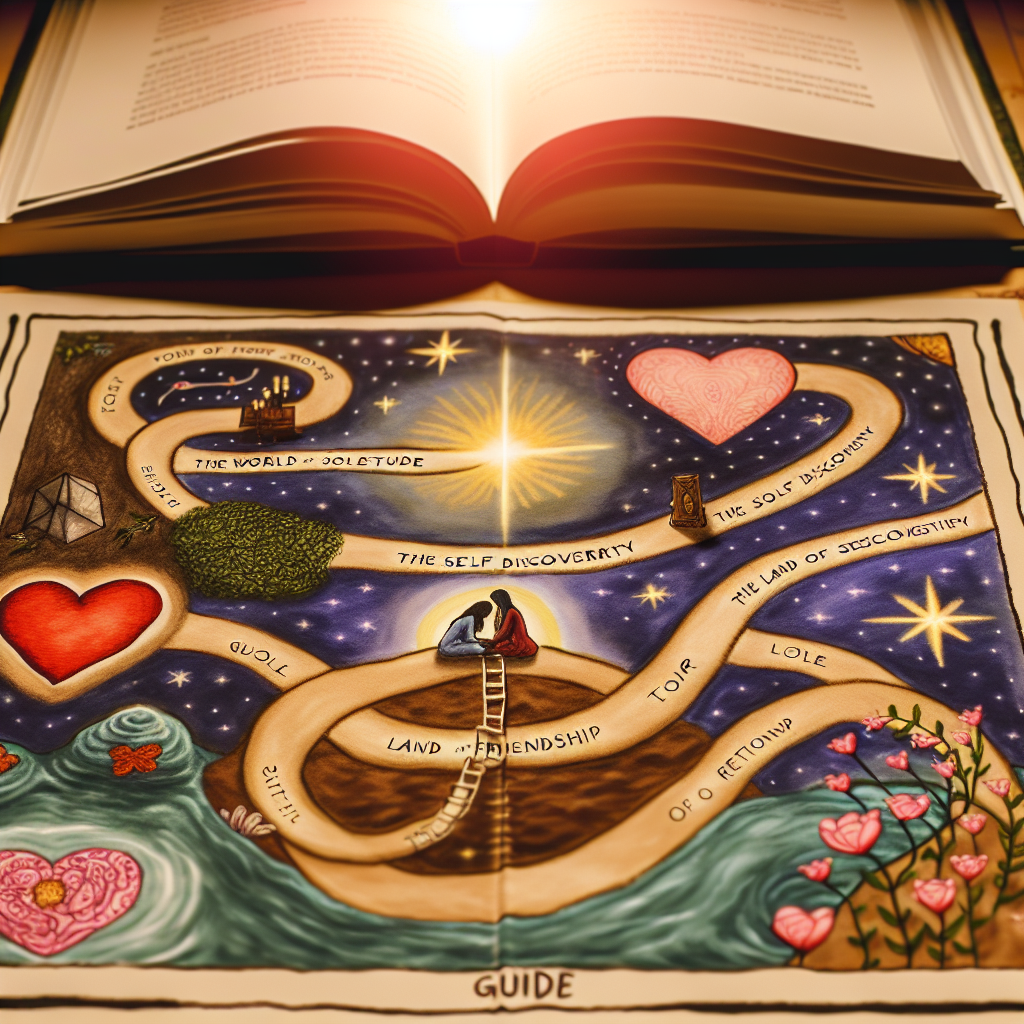
This guide empowers widows and widowers with practical, compassionate advice for navigating romance after loss. From healing to identifying emotional readiness, and even understanding how grief can affect new relationships, it provides balanced, expert-supported strategies for moving forward while honoring your past. Beginning again is not about replacing the love you had—it’s about expanding your capacity to love in a new chapter of life.
Whether you’re curious or actively searching, this journey is one of rediscovery. You deserve love, support, and the hope of connection again.
What the Research and Professionals Say
Dating after the death of a spouse is a significant emotional and psychological transition. Scholarly research and professional insight offer an encouraging view on how to navigate this sensitive terrain with care and confidence.
A wealth of research, including a 2018 study from the Journal of Gerontology, found that those who form new romantic connections after the loss of a spouse often experience elevated life satisfaction and lower signs of depression. These relationships bring emotional enrichment, offering renewed purpose and companionship.
Experts in psychology remind us that grief is not linear. The American Psychological Association (APA) notes that factors such as age, length of relationship, support systems, and emotional resilience all influence how and when someone might feel ready for love again. The key isn’t how soon, but what motivates you: Are you truly open to new love, or simply trying to fill a void?
Dr. Kenneth Doka of the Hospice Foundation of America highlights a vital concept—disenfranchised grief. This occurs when society fails to recognize a person’s right to grieve in a new relationship. Feelings of guilt and confusion over honoring a past spouse while exploring new love are normal. Therapy, support groups, and honest conversations with family members—particularly adult children—help process these conflicting emotions and pave a way toward healing.
Health professionals also underscore the value of love later in life. Dr. Pepper Schwartz, a renowned relationship expert, states that people in their 60s, 70s, and beyond can experience deeply vital emotional and physical intimacy. In fact, older adults in supportive romantic partnerships often enjoy better physical health, reduced loneliness, and even greater longevity.
The landscape of modern dating for widowed singles has also evolved. Specialized dating platforms such as WidowsorWidowers.com and OurTime.com cater specifically to mature individuals looking for thoughtful companionship. These services often provide a welcoming pace and space for those looking for connection rooted in shared experiences, not superficial metrics.
Ultimately, research and professional insight affirm a powerful message: new love is not a betrayal of the past. It is a testament to your resilience and emotional openness. New relationships in the wake of loss can offer companionship, joy, healing, and a renewed sense of self-worth.
Conclusion
Choosing to step back into the world of dating after losing a spouse is an act of remarkable bravery. Whether it’s a gentle curiosity or a renewed longing for love, every step you take reveals your strength and growth. Your romantic life does not end with loss—it transforms. Through compassion, patience, and a commitment to healing, you can rediscover love not as a replacement, but as a celebration of the love that lives on within you and the new love you deserve to build.
Love after loss is not bound by age or time. It reflects an evolution of the heart—one open to rediscovery, anchored in memory, and ready for what the future holds.
References
- American Psychological Association – Grief: Coping with reminders after a loss
- Journal of Gerontology (2018) – “Widowhood and Wellbeing: The Role of New Romantic Partnerships After Loss”
- Hospice Foundation of America – Dr. Kenneth Doka’s Work on Disenfranchised Grief
- AARP – Dr. Pepper Schwartz: Age-Proof Love
- WidowsOrWidowers.com – Dating site for Widowed Singles
- OurTime.com – Dating for Singles Over 50
Concise Summary
Losing a spouse can leave emotional scars, but many widows and widowers eventually wonder if love is possible again. This compassionate guide offers emotional insight, expert advice, and practical strategies for re-entering the dating world. Backed by research from the Journal of Gerontology, APA, and relationship experts, it emphasizes the importance of patience, self-awareness, and support. Specialized dating sites for mature singles and mental health professionals help pave the way. Love after loss is not about replacing—it’s about rediscovering and expanding your heart’s capacity to connect again.

Dominic E. is a passionate filmmaker navigating the exciting intersection of art and science. By day, he delves into the complexities of the human body as a full-time medical writer, meticulously translating intricate medical concepts into accessible and engaging narratives. By night, he explores the boundless realm of cinematic storytelling, crafting narratives that evoke emotion and challenge perspectives. Film Student and Full-time Medical Writer for ContentVendor.com