The Hidden Cost of Being “Good on Paper”: Why High-Achievers Struggle to Find Real Compatibility
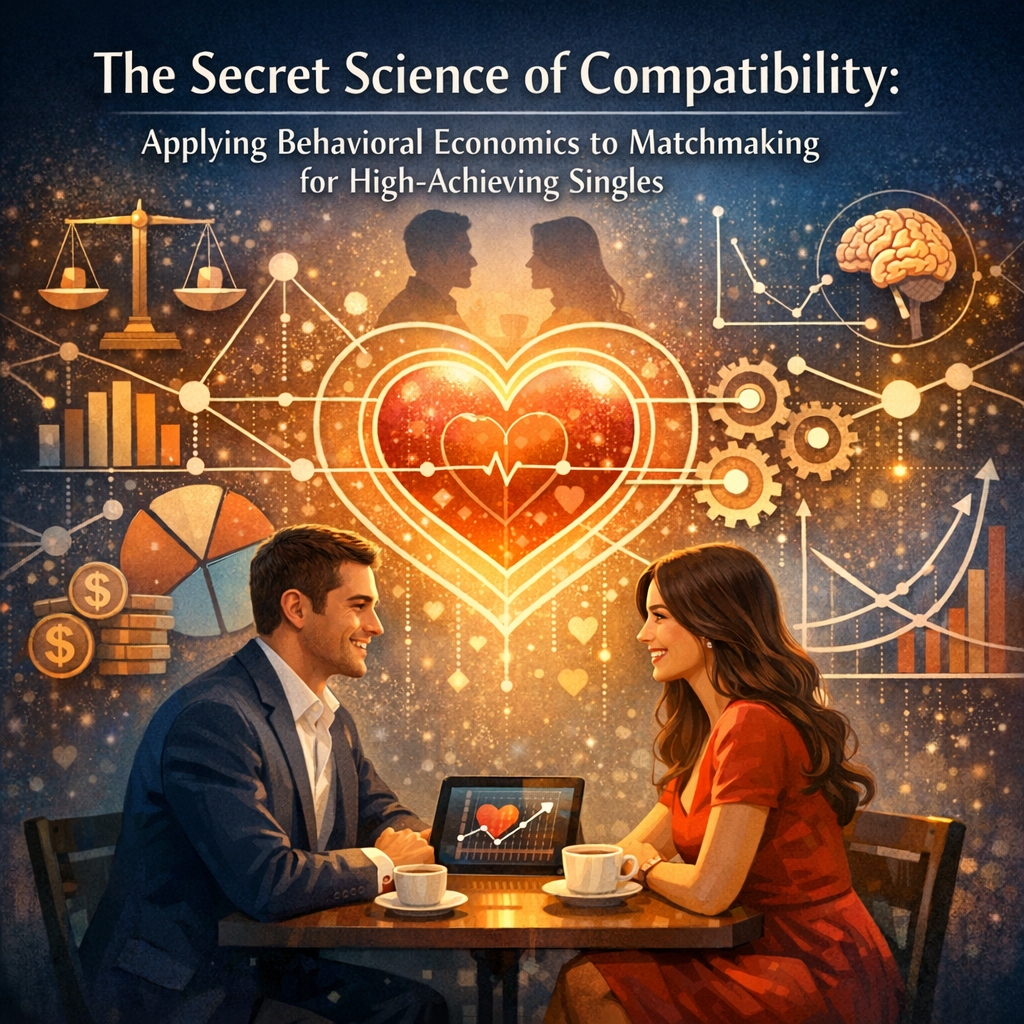
In today’s fast-paced, achievement-oriented society, being “good on paper” has become a badge of honor for many singles navigating the dating world. High-achievers often excel in their careers, showing accomplishments that reflect dedication, intelligence, and ambition. Yet, paradoxically, these same characteristics can create barriers in forming deep, meaningful personal connections. But why do these highly successful individuals, seemingly perfect on paper, encounter difficulties in finding compatible partners? Understanding the hidden costs of these attributes might offer a window into the complexities of human relationships.
Topic Introduction
In an era where modern dating often begins with a “profile review,” individuals are frequently evaluated based on their educational background, job title, income, and other markers of success. For high-achievers, this review presents a positive image—they appear as desirable partners with promising prospects. Yet, genuine compatibility extends beyond superficial credentials. The dynamic interplay of personality traits, lifestyle choices, and personal values significantly influence relationship success.
For high-achievers, the intense pressure to excel professionally leaves little room for nurturing personal relationships. Their dedication often leads to long hours, frequent travel, and high stress, straining budding connections. The mismatch in priorities with prospective partners, who may value companionship over financial security, further complicates matters.
These individuals are also accustomed to problem-solving and strategizing in their careers, potentially treating relationships as tasks rather than emotional endeavors. This leads to a clash between a “productivity mindset” and the unpredictable nature of human emotions, overshadowing the authenticity needed for genuine connection. High-achievers may shy away from vulnerability, fearing it exposes imperfections rather than strengthening bonds.
Features
Research indicates that high-achievers face unique challenges in building compatible relationships due to both internal and external factors. According to the [Journal of Personality and Social Psychology](https://www.apa.org/pubs/journals/psp/), individuals with high achievement motivation often experience internal conflict, prioritizing career success over personal life due to societal pressures equating worth with professional accomplishments. This conflict can hinder their ability to invest in relationships emotionally.
Externally, research from [Harvard Business School](https://www.hbs.edu/) reveals that high-achievers are perceived as intimidating, creating social barriers. Their accomplishments elevate expectations, causing potential partners to feel inadequate or overly cautious, leading to social isolation. This is exacerbated by the “trophy syndrome,” where they are seen as status symbols rather than companions.
Moreover, a study by the [American Psychological Association](https://www.apa.org/) highlights the impact of emotional intelligence—or the lack thereof—on relationships. High-achievers may excel in analytical intelligence but struggle with emotional intelligence, essential for nurturing personal connections. Suppressing emotions for professional competence can carry over into personal life, where openness is key.
The rise of online dating further complicates issues. Profiles emphasizing achievements may attract attention but fail to convey depth. This superficial interaction deepens the divide for high-achievers, who risk being reduced to checklists instead of being appreciated for their complex personalities.
Conclusion
Being “good on paper” is a significant aspect of modern dating, yet relying solely on accomplishments can obscure the attributes necessary for genuine compatibility. High-achievers must recognize that true connection transcends achievements. Building meaningful relationships requires vulnerability, emotional investment, and the courage to prioritize love alongside professional success. By aligning their inner values with their outward personas, high-achievers can find partners who appreciate them beyond their accomplishments.
Concise Summary
High-achievers, perceived as ideal partners due to career success, face hidden barriers in forming genuine connections. The pressure for professional excellence often limits emotional investment in relationships. External perceptions label them as intimidating, creating social barriers. Emotionally, they may struggle with vulnerability, preferring problem-solving over emotional engagement, complicating relationships further. Online dating profiles accentuating achievements deepen divides, overlooking personality depth. High-achievers must balance career aspirations with emotional openness and vulnerability, fostering true compatibility beyond superficial credentials.
References:
– [Journal of Personality and Social Psychology](https://www.apa.org/pubs/journals/psp/)
– [Harvard Business School](https://www.hbs.edu/)
– [American Psychological Association](https://www.apa.org/)