**
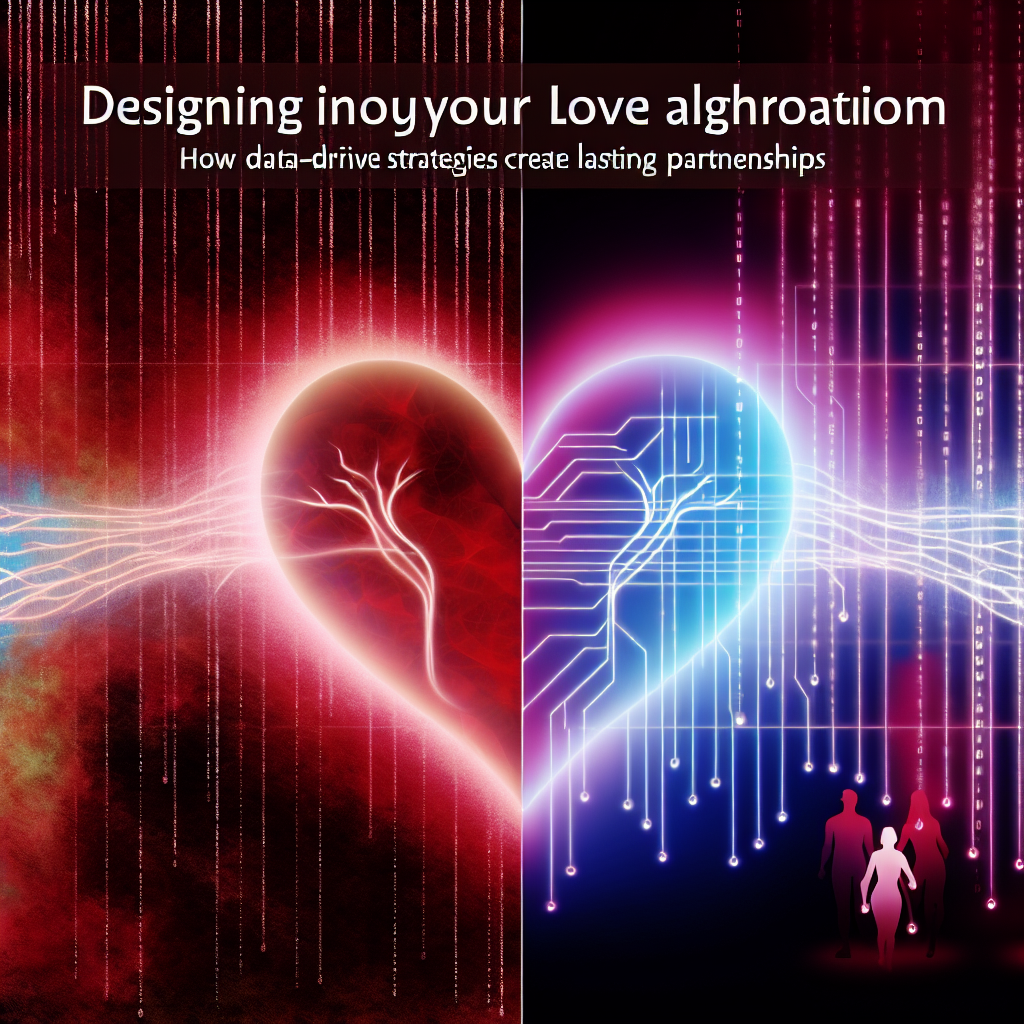
Designing Your Love Algorithm: How Data-Driven Strategies Create Lasting Partnerships
**
**
Introduction
**
In today’s digital age, the search for **love** is closely linked with **technology**. Traditional **dating methods** have evolved, giving way to **data-driven strategies** that optimize **romantic success**. This shift is due to the rise of **dating apps and websites** that have transformed how **singles connect**. Central to this transformation is the concept of the “love algorithm”—a sophisticated blend of **data analytics**, **behavioral science**, and **matchmaking expertise**. As more people use technology to enhance their dating experiences, understanding the role of **data** in creating lasting **partnerships** becomes imperative.
The algorithmic approach to dating isn’t just about swiping right or matching based on superficial criteria. Instead, it explores deeper aspects of compatibility, including **personality traits**, **relationship goals**, and **values**. By analyzing vast datasets, these algorithms identify patterns and predictors of **relationship success**, enabling users to make informed decisions about potential matches. Additionally, advanced **machine learning techniques** continuously fine-tune the matchmaking process, adjusting recommendations based on user feedback and real-world interactions.
One key advantage of a data-driven approach to dating is its ability to minimize guesswork. Traditional dating often relied on chance encounters or introductions through social networks, which could be limited in scope. In contrast, data-driven platforms provide access to a larger pool of potential partners, increasing the likelihood of finding someone truly compatible. Furthermore, by leveraging insights from **psychology** and **sociology**, these platforms offer personalized **dating advice**, empowering users to cultivate meaningful connections.
The integration of data into the dating landscape has not only changed how people meet but also reshaped societal perceptions of **love** and **relationships**. Younger generations, in particular, are more comfortable with technology-mediated connections, viewing them as a natural extension of their social lives. This acceptance has fueled continued innovation in the field, with dating platforms constantly refining their **algorithms** to stay competitive. As a result, singles from all age groups increasingly turn to technology to guide their romantic journeys, blending age-old intuition with modern science to realize their relationship goals.
**
Features
**
Several professional and academic studies underscore the efficacy of **data-driven dating strategies** in fostering lasting partnerships. A seminal study by researchers at the University of Chicago found that **online relationships**, beginning with data-guided algorithms, were more likely to result in **marriage** and lower divorce rates compared to traditional dating encounters ([source](https://www.pnas.org/content/110/25/10135)). This finding highlights the potential of algorithmic matchmaking to create stronger and more enduring partnerships.
Another valuable study comes from Stanford University, where researchers identified that data-driven dating allows individuals to break free from social circles and geographic constraints, thereby expanding their **dating prospects** ([source](https://www.ncbi.nlm.nih.gov/pmc/articles/PMC4765765/)). This expansion plays a crucial role in aligning individuals with partners who share similar **lifestyles** and interests, which are key predictors of long-term relationship success.
From a psychological perspective, **data-driven dating platforms** incorporate findings from fields such as personality psychology and attachment theory. For instance, the **Big Five personality traits** (openness, conscientiousness, extraversion, agreeableness, and neuroticism) are often central to compatibility algorithms. A study published in the Journal of Personality and Social Psychology suggests that understanding these traits can help predict relationship satisfaction ([source](https://psycnet.apa.org/doiLanding?doi=10.1037%2Fa0029121)). By assessing these psychological dimensions, algorithms propose matches with a higher likelihood of emotional connection and understanding.
Additionally, data-driven platforms dynamically adjust match suggestions based on user interaction and feedback. This adaptability ensures that the matchmaking process remains responsive to individual needs and changes over time. A report from the Pew Research Center shows that users who engage with platforms that prioritize personalized recommendations report higher satisfaction and success rates in their dating experiences ([source](https://www.pewresearch.org/fact-tank/2020/04/21/dating-and-relationships-in-the-digital-age/)).
**
Conclusion
**
In conclusion, designing your love algorithm through data-driven strategies marks a significant evolution in modern dating. By harnessing the power of technology and science, singles access a broader, more compatible pool of potential partners, leading to deeper connections and lasting relationships. As digital dating platforms continue to refine their algorithms, the intertwining of data and romance promises ever more personalized and successful pathways to love. By embracing these innovative approaches, individuals can confidently navigate their romantic pursuits, opening the door to meaningful and fulfilling partnerships.
**
Concise Summary
**
In the digital age, couples increasingly rely on data-driven strategies to enhance their dating experiences. This evolution is due to the rise of dating apps centered around sophisticated algorithms that delve into personality traits, relationship goals, and values. These platforms minimize guesswork by using vast datasets and machine learning to optimize matchmaking. With insights from psychology and sociology, users are empowered to cultivate meaningful connections. As algorithms refine continuously, individuals enjoy access to personalized pathways, blending intuition with science for fulfilling relationships. This innovative approach marks a transformative shift in how singles pursue and maintain lasting partnerships.

Dominic E. is a passionate filmmaker navigating the exciting intersection of art and science. By day, he delves into the complexities of the human body as a full-time medical writer, meticulously translating intricate medical concepts into accessible and engaging narratives. By night, he explores the boundless realm of cinematic storytelling, crafting narratives that evoke emotion and challenge perspectives. Film Student and Full-time Medical Writer for ContentVendor.com