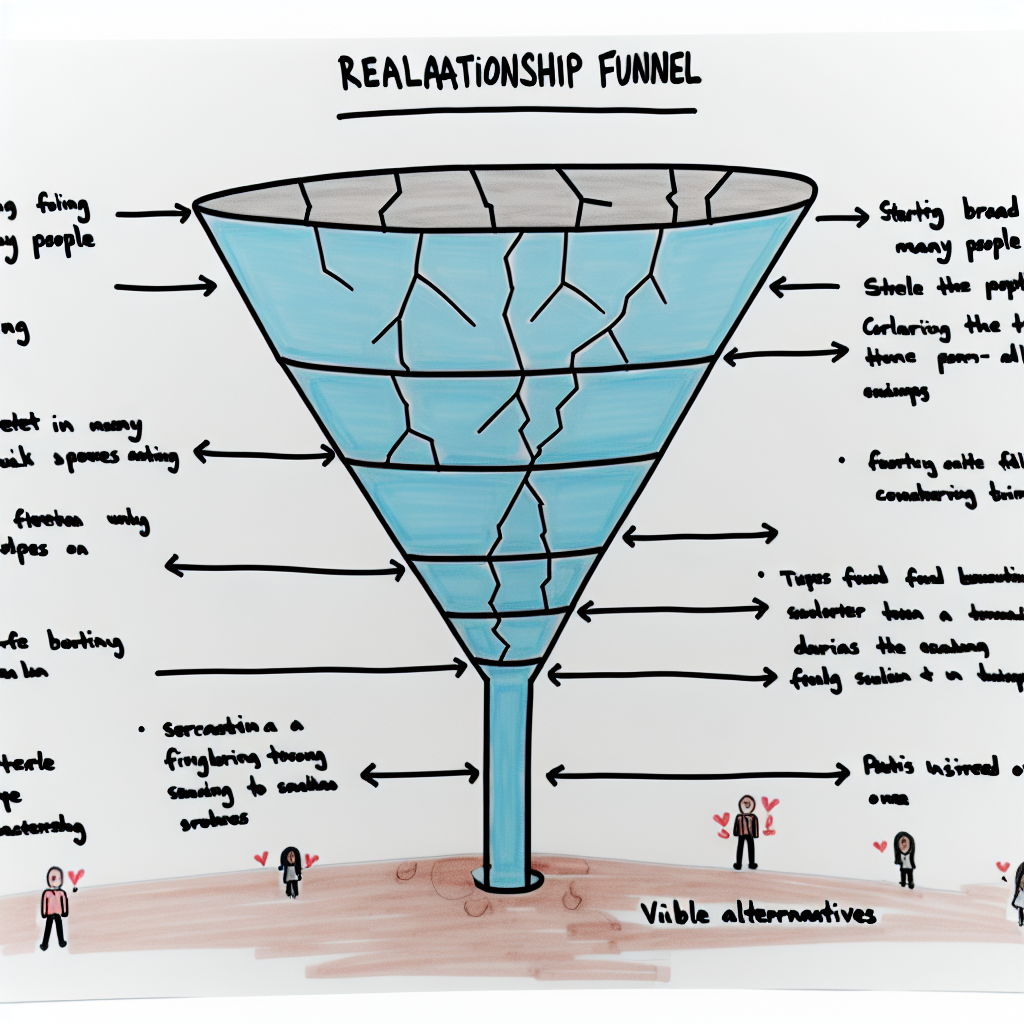
The 2-Year Client Journey – A Look at How Long-Term Coaching Transforms Dating and Relationship Patterns
Introduction
In today’s era of swiping, ghosting, and fleeting chemistry, many singles find themselves in an endless loop of unfulfilling dating experiences. Whether you’re 18 or 88, the desire for love and connection remains universal. But how do singles move from constant confusion and failed attempts to deep clarity and satisfying relationships? The answer lies in long-term coaching—a transformative tool guiding people toward lasting change in their dating lives.
With the abundance of dating apps and digital advice, one might assume finding a partner is easier than ever. But for many, the abundance of tools only scratches the surface. True transformation in dating requires more than checking the boxes of appearance, interests, or witty banter. At its heart, dating success is grounded in self-awareness, emotional intelligence, clear communication, and a fundamental understanding of healthy relationship dynamics—skills rarely taught in school or modeled consistently in real life.
This is the power of long-term relationship coaching. Rather than relying on quick fixes or one-off consultations, the extended 2-year journey with a trained coach provides individuals with space and time to dismantle unproductive patterns, build emotional resilience, and create intentional relationships. It’s a strategic investment in both self-love and relational success.
After two years of consistent support and mirror-like reflection, clients commonly report what feels like a polar shift—not only in how they date but in who they attract. Emotional patterns that previously led to self-sabotage, anxious attachment, or poor choices begin to dissolve. Confidence takes the place of dating anxiety. Authentic compatibility—based on shared values and emotional safety—outweighs superficial attraction. For many, dating evolves from an exhausting chase to an intentional journey filled with clarity and purpose.
The benefits of relationship coaching don’t stop at your love life. Because the skills learned—such as boundary-setting, clear communication, and emotional intelligence—translate across all relationships, clients also report stronger connections with friends, family members, and even colleagues. The 2-year process becomes a full-spectrum personal development journey that touches nearly every area of life.
Features: Insights from Studies and Professional Research
Research consistently supports the effectiveness of coaching in developing the emotional and psychological skills necessary for healthier relationships.
One foundational concept is neuroplasticity—the brain’s ability to reorganize itself by forming new habits and neural pathways. A study published by the National Institute of Health noted that lasting behavioral change often unfolds over longer periods, reinforcing that deep transformation—like adopting healthy relationship patterns—requires consistent effort and time. You can read more from the NIH study on neuroplasticity here:
National Institute of Health: Neuroplasticity Study.
Data from the International Coaching Federation further strengthens this argument. Their global coaching survey revealed that:
– 80% of clients reported improved self-confidence
– Over 70% noted better communication and relationships
– A majority indicated overall satisfaction with personal development outcomes
These stats highlight how personal skill-building through coaching often yields tangible improvements in the romantic realm.
One crucial psychological framework frequently addressed in long-term coaching is attachment theory. Developed by John Bowlby and Mary Ainsworth, attachment theory divides individuals into categories such as secure, anxious, avoidant, or disorganized. Many clients unknowingly exhibit insecure patterns, which affect how they choose partners, handle conflict, or express emotion. A significant part of the coaching journey involves identifying and healing these patterns. Research from the Journal of Social and Personal Relationships supports that secure attachment is strongly associated with better communication, emotional safety, and long-term satisfaction in relationships.
Another powerful tool in relationship coaching is cognitive behavioral coaching (CBC). This method blends coaching with principles from cognitive behavioral therapy to shift limiting beliefs, negative self-talk, and mental blocks that sabotage dating efforts. A study published in The Coaching Psychologist found CBC to be highly effective in increasing goal achievement and resilience, which are essential traits in modern dating landscapes.
Together, these techniques and psychological principles form a strong foundation for the kind of transformation that can occur over two years of consistent coaching, such as that offered by platforms like HitchMe.com.
Conclusion
A 2-year relationship coaching journey is far more than a professional service—it’s a life-changing commitment to personal evolution and emotional mastery. Through expert guidance, repetition, and emotional rewiring, clients don’t just walk away with better dating experiences. They build skills that elevate all types of relationships, including the relationship with themselves.
Whether you’re entering the dating space for the first time or recovering from a history of misaligned relationships, this extended journey can deeply impact your self-perception, decision-making, and ability to connect meaningfully with others. In an environment filled with quick fixes, this long-term investment leads to lasting results—making it one of the most powerful paths to love, fulfillment, and personal growth.
References
1. National Institute of Health on Neuroplasticity
2. International Coaching Federation – Global Coaching Study
3. Journal of Social and Personal Relationships – Attachment and Satisfaction
4. The Coaching Psychologist – Cognitive Behavioral Coaching Study
Concise Summary
In a world overwhelmed by dating apps and advice, many singles still struggle to find meaningful and lasting connections. A 2-year commitment to long-term relationship coaching offers a deeply transformative experience that reshapes emotional patterns, enhances emotional intelligence, and builds communication skills. Supported by studies in neuroplasticity, attachment theory, and cognitive behavioral coaching, this extended journey leads to improved self-confidence, healthier partnerships, and broader life satisfaction. Whether you’re struggling with insecure attachment or recurring dating frustrations, this approach delivers clarity, connection, and confidence—making it one of the most powerful tools for personal and romantic transformation available today.

Dominic E. is a passionate filmmaker navigating the exciting intersection of art and science. By day, he delves into the complexities of the human body as a full-time medical writer, meticulously translating intricate medical concepts into accessible and engaging narratives. By night, he explores the boundless realm of cinematic storytelling, crafting narratives that evoke emotion and challenge perspectives. Film Student and Full-time Medical Writer for ContentVendor.com