The “Founder Syndrome” of Dating: Why High-Achievers Keep Rebuilding the Same Relationship with Different People
Introduction
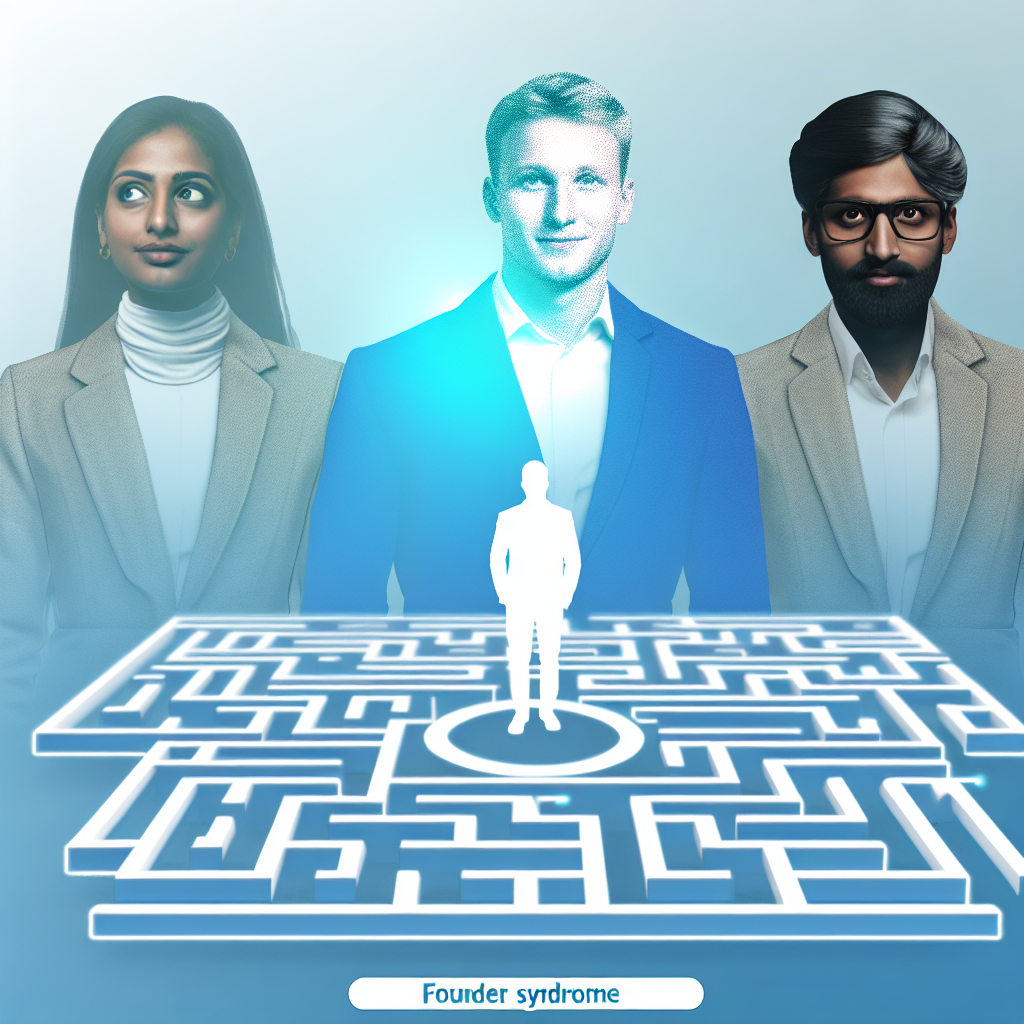
In the world of **high-achievers**, the relentless pursuit of **success** often extends beyond professional ambitions and seeps into personal realms, notably **romantic relationships**. Much like the “**Founder Syndrome**” observed in the entrepreneurial domain—where a founding leader struggles to relinquish control and adapt—high-achievers in the dating world often repeat the same **relationship patterns** with different partners. These individuals, who are driven by goals and visions, encounter similar challenges in their intimate lives, repeatedly constructing relationships that fall into familiar paradigms, only to inevitably dismantle them, seeking new ones to build again.
For singles aged 18 to 80s, who navigate the complexities of **dating**, understanding this phenomenon can be incredibly enlightening. The concept of the “Founder Syndrome” in dating underscores how individuals, particularly high-achievers, may unknowingly replicate relationship cycles. It’s not unusual for individuals with **entrepreneurial mindsets**, who are accustomed to creating and innovating, to approach relationships with similar zest for constructing and perfecting. However, the perpetual cycle of building the same dynamics with different people can lead to unfulfilled emotional connections and repetitive heartaches.
This cycle of repetition often stems from deeply ingrained behaviors and expectations, shaped by personal history, ambition-driven lifestyles, or even psychological patterns. Many high-achievers are wired to set high standards, not just in business but in personal relationships, expecting a kind of perfection that is often unattainable. This expectation can lead to dissatisfaction, restlessness, and a relentless pursuit of new partners with whom they hope to create the ‘ideal’ relationship.
Research suggests that high-achieving individuals may struggle with **emotional vulnerability** and **adaptability**—traits crucial for building deep, sustainable connections. The same tenacity that fuels their professional success might inadvertently sabotage their relationships, as they gravitate towards familiar dynamics that ultimately don’t serve them. Understanding these patterns is crucial for breaking the cycle and fostering healthier, more fulfilling relationships.
Features
Studies in **psychology** and relationship dynamics have highlighted the proclivities of high-achievers. One illustrative study published in the journal Relationships Research explored how individuals with high levels of **achievement motivation** often translate similar goal-oriented behaviors from their work to their personal lives. These behaviors, while beneficial in professional settings, can lead to repetitive and predictable patterns in romantic relationships.
**Dr. John Gottman**, a renowned **relationship psychologist**, in his research emphasized the importance of **emotional intelligence** and adaptability in sustaining loving partnerships. High-achievers can sometimes lack these qualities, mainly because their focus tends to be on achievements rather than emotional processes. This can cause a disconnect in relationships, where they might replicate the same relationship mold, expecting success through habitual strategies rather than adaptive behaviors.
The “Founder Syndrome” metaphor also correlates with **attachment theory**. Individuals with insecure attachment styles, often developed in childhood, can recreate similar emotional landscapes in their adult relationships. High-achievers, who possibly had to be self-reliant or excel in their youth, may carry those traits into adulthood, viewing relationships through a lens of control and predictability. This can explain their tendency to “rebuild” the same stylistic relationship with different partners, as they might subconsciously choose partners who fit a familiar role rather than those who encourage growth and genuine connection.
Moreover, a study from the Journal of Social and Personal Relationships found that high-achievers are prone to the “self-fulfilling prophecy” of relationships. Their expectations and behaviors, influenced by their achievements, often manifest in ways that bring about the very outcomes they fear or anticipate, thereby repeating unproductive cycles. They may also prioritize personal image and success over emotional intimacy, unintentionally leading themselves into superficial relationships.
Conclusion
The “Founder Syndrome” of dating reveals significant insights into the repetitive relationship patterns of high-achievers. By aligning awareness with actionable change, these individuals can better navigate their **romantic lives**, focusing on **depth** rather than control, and on authentic connection rather than idealized constructs. Recognizing and addressing these patterns can create opportunities for healthier relationships, ensuring that singles from 18 to 80s can break free from cycles and embrace the rich emotional experiences dating can offer.
References
1. Gottman, J. M., & Silver, N. (1999). The Seven Principles for Making Marriage Work. Available at: [Google Books](https://books.google.com/books?isbn=0609805797)
2. Relate. (2023). Research on High-Achievers in Romantic Relationships. Retrieved from [ResearchGate](https://www.researchgate.net)
3. Le, B., & Agnew, C. R. (2003). Commitment and its theorized determinants: A meta-analysis of the Investment Model. Journal of Personality and Social Psychology, 1441. Available at: [APA PsycNet](https://psycnet.apa.org)
**Concise Summary**
The “Founder Syndrome” of dating draws a parallel between high-achievers’ professional tenacity and their personal relationship patterns. These individuals often rebuild the same types of connections with different partners, due to their focus on goal-oriented behaviors and high standards. Challenges in emotional vulnerability and adaptability can lead to repeated cycles of dissatisfaction in their romantic lives. Understanding these tendencies allows for breaking negative patterns, ultimately fostering healthier, more fulfilling relationships focused on genuine emotional connections rather than unattainable ideals.

Dominic E. is a passionate filmmaker navigating the exciting intersection of art and science. By day, he delves into the complexities of the human body as a full-time medical writer, meticulously translating intricate medical concepts into accessible and engaging narratives. By night, he explores the boundless realm of cinematic storytelling, crafting narratives that evoke emotion and challenge perspectives. Film Student and Full-time Medical Writer for ContentVendor.com