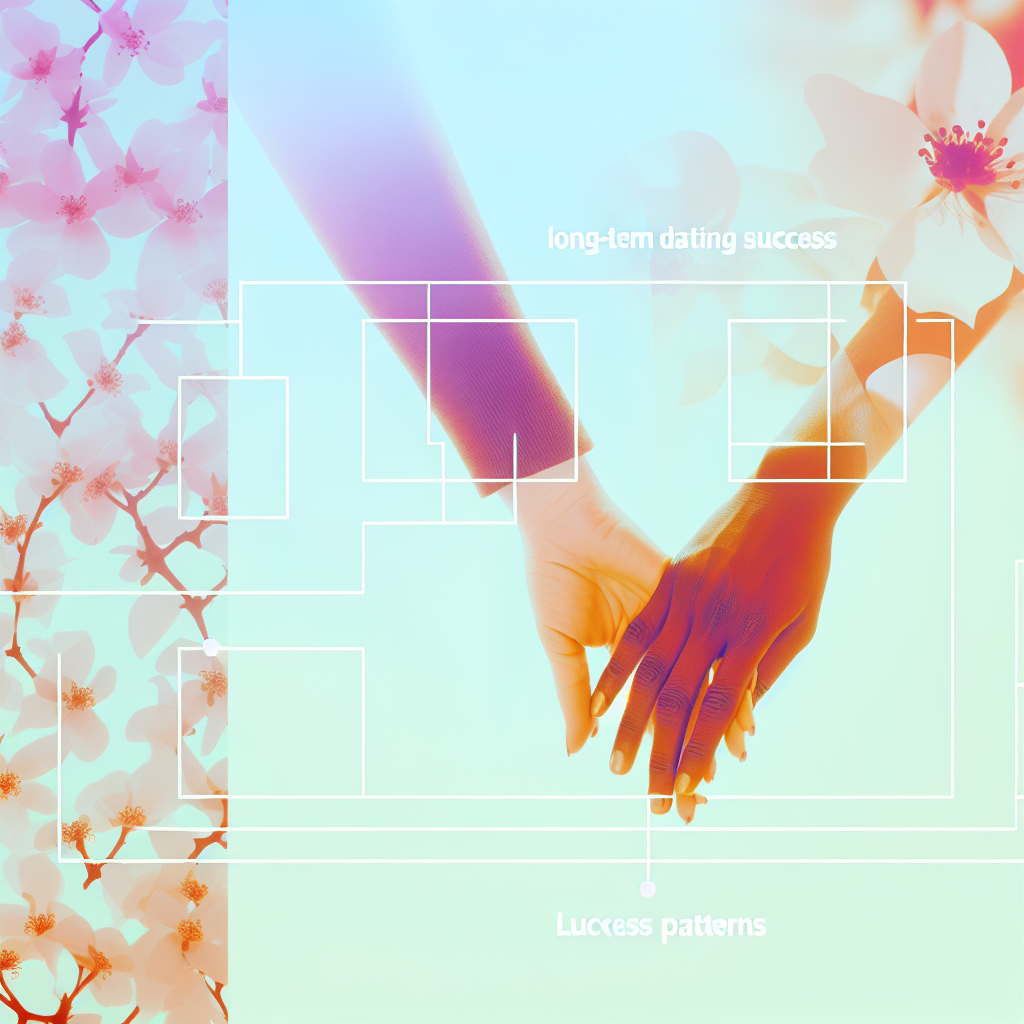
The Hidden Cost of “Chemistry”: Why Sparks Might Be Sabotaging Your Love Life
**Introduction**
In the world of **dating**, the term “**chemistry**” is often considered the holy grail of relationships. Friends rave about it, media idealizes it, and many use it as a litmus test for **compatibility**. It’s the electrifying spark, the intense connection that can cloud judgment, leading to overlooked essentials or ignored red flags. This pursuit can have various implications for individuals aged 18 to 80, driven by a biological response involving elevated levels of **dopamine** and **adrenaline**—mood lifters providing euphoria but impairing judgment. While necessary for attraction, it often results in short-lived encounters.
One hidden cost of prioritizing chemistry is masking deeper compatibility issues. Focusing solely on the instant connection can lead to dismissing potential partners who may offer long-term satisfaction. This can result in a cycle of short-term relationships, seeking the fleeting feeling mistaken for true love.
Moreover, idolizing chemistry can lead to poor repeated choices, especially if there’s a history of incompatible partners. It’s emotionally draining and prevents engagement in meaningful relationships. Understanding the role of chemistry aids singles in navigating modern dating, encouraging decisions favoring lasting happiness over transient excitement.
**Features**
Several studies highlight the role of chemistry in romantic relationships. **Dr. Helen Fisher**, a biological anthropologist at the [Kinsey Institute](https://kinseyinstitute.org/), emphasizes how early relationship phases trigger neurological circuits, producing addiction-like feelings (Fisher, 2004). This explains the trend of revisiting similar partners despite negative experiences.
A study in “**Psychological Science**” by [Paul Eastwick and Lucy Hunt](https://journals.sagepub.com/home/pss) examines how initial chemistry correlates with long-term satisfaction. While it predicts relationship initiation, it doesn’t guarantee long-term happiness (Eastwick & Hunt, 2014). Focusing only on the spark may lead to unsustainable relationships.
Research in the “[Journal of Personality and Social Psychology](https://www.apa.org/pubs/journals/psp/)” by Samantha Joel and Geoff MacDonald underscores the value of intrinsic traits over instant attraction (Joel & MacDonald, 2011). Prioritizing emotional stability, kindness, and shared values leads to longer-lasting relationships.
Understanding these studies helps singles evaluate how they prioritize chemistry and its alignment with long-term goals. Shifting from immediate attraction to fundamental compatibility promotes more stable and rewarding partnerships.
**Conclusion**
While chemistry can make relationships thrilling, relying solely on it may lead to heartbreak. Balancing chemistry with essential factors is crucial for lasting love. Singles who prioritize emotional intimacy and shared values cultivate deeply fulfilling and enduring relationships.
**Summary**
The pursuit of **chemistry** in dating often overshadows essential aspects like compatibility, leading to short-term relationships and repeated heartbreak. Studies show that while immediate attraction helps initiate relationships, it doesn’t equate to long-term happiness. Prioritizing emotional stability, kindness, and shared values over fleeting sparks leads to more fulfilling partnerships. Understanding the role of chemistry helps singles navigate modern dating, focusing on criteria that align with lasting happiness over temporary excitement.
**References:**
– Fisher, H. (2004). Why We Love: The Nature and Chemistry of Romantic Love. [Kinsey Institute](https://kinseyinstitute.org/).
– Eastwick, P. W., & Hunt, L. L. (2014). Relational Mate Value Among Young Adults: How Important Are Physical Attractiveness and Status? [Psychological Science](https://journals.sagepub.com/home/pss)
– Joel, S., & MacDonald, G. (2011). Too much of a good thing: The effect of partner idealization in new relationships. [Journal of Personality and Social Psychology](https://www.apa.org/pubs/journals/psp/)

Dominic E. is a passionate filmmaker navigating the exciting intersection of art and science. By day, he delves into the complexities of the human body as a full-time medical writer, meticulously translating intricate medical concepts into accessible and engaging narratives. By night, he explores the boundless realm of cinematic storytelling, crafting narratives that evoke emotion and challenge perspectives. Film Student and Full-time Medical Writer for ContentVendor.com