The Hidden Cost of “Just One More Date”: Why Over-Dating Is the New Commitment Avoidance
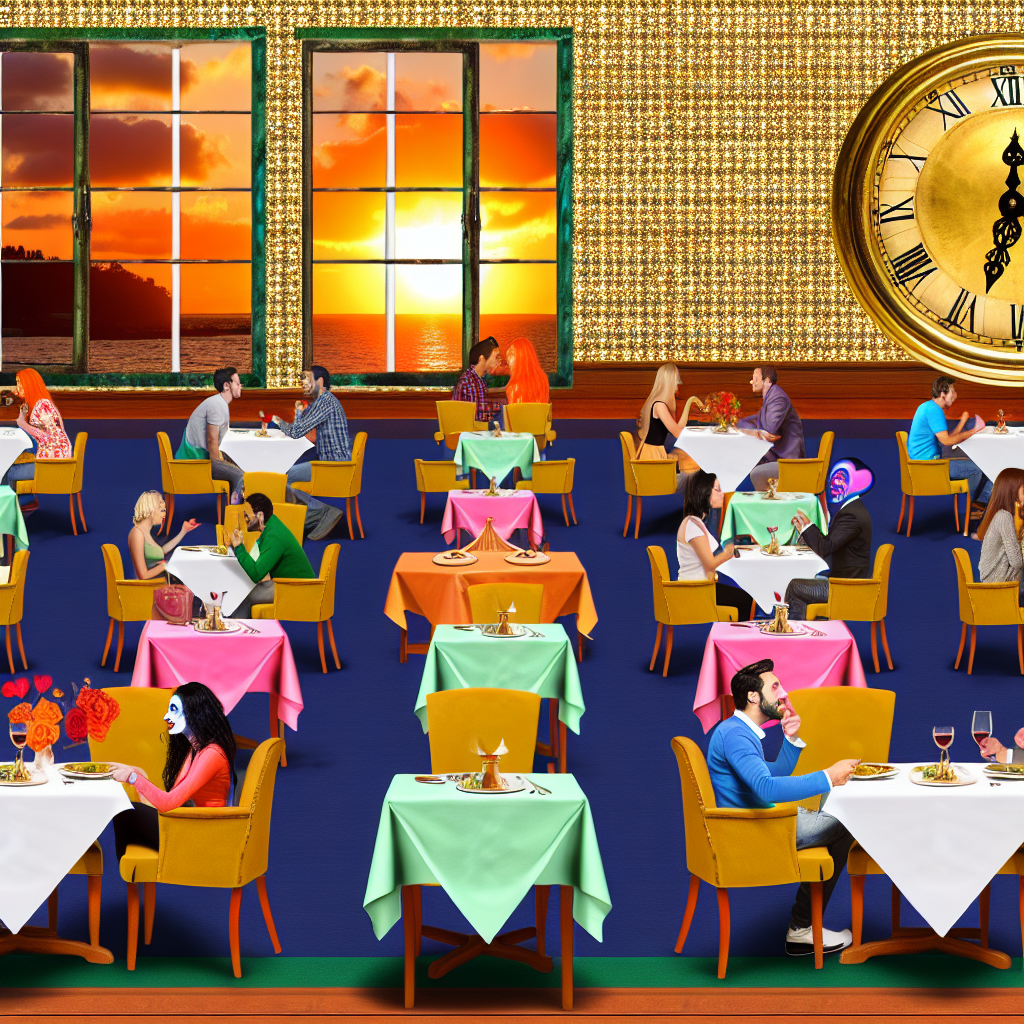
In today’s fast-paced, technology-driven world, the **dating landscape** has undergone a seismic shift. With **dating apps** offering an endless array of potential suitors, the once-linear path to **love** now feels more like a labyrinth. While this can initially seem exhilarating and imbued with possibility, it has birthed a new phenomenon: **over-dating**. This is characterized by individuals perpetually seeking “just one more date,” becoming prisoners of their endless chase for the next best thing. While the term “commitment-phobia” might feel outdated, over-dating has surfaced as a modern version of avoiding serious relationships without labeling oneself as someone who shuns **commitment**.
Over-dating offers an illusion of abundance and choice that can lead to psychological pitfalls, including **burnout**, **decision fatigue**, and **emotional detachment**. The thrill of new potential connections can be enticing, yet chasing excitement in excess may hinder meaningful relationship development. By constantly searching for potential partners, individuals may unintentionally bypass satisfying, long-term bonds. This cycle of **swiping**, matching, and dating also perversely reduces the value of each interaction, making genuine connections all the more elusive. **Expand:** Individuals often find themselves chasing a never-ending horizon, unknowingly sabotaging their ability to cultivate intimacy and trust with one person. Over time, this pursuit can render them emotionally exhausted, creating barriers to forming a stable, committed relationship.
In an era where **attention spans** are dwindling and the desire for **instant gratification** is paramount, the dating app culture exploits these vulnerabilities. When everyone becomes a potential swipe away, and when options appear endless, settling down can feel akin to purchasing the first item you see at a supermarket—regrettably premature. Thus, the hidden cost of over-dating lies not only in the superficiality of connections but also in the missed opportunities for deeper emotional experiences.
The problem intensifies with the **paradox of choice**—an idea introduced by psychologist Barry Schwartz—which suggests that an overload of options leads not to freedom and satisfaction but rather to anxiety, indecision, and even depression. This paradox is acutely visible within the dating realm, where the breadth of choice can paralyze attempts at selection, leaving individuals stuck in a perpetual cycle of seeking without finding.
Studies Highlighting the Impacts of Over-Dating
Recent investigations into the psychology of dating have underscored the potential negative impacts of over-dating. A study published in the [*American Psychological Association’s Journal of Personality and Social Psychology*](http://www.apa.org/news/press/releases/2006/12/choice-experience) indicated that people facing too many choices often experience less satisfaction with their decisions and are more prone to feelings of regret and doubt.
Moreover, a study from the [*Computers in Human Behavior* journal](https://www.sciencedirect.com/science/article/abs/pii/S0747563218304025) found that users of dating apps are more likely to experience mental health issues such as **anxiety** and **depression**. This stems from the pressure of crafting a perfect profile, the frustration of fickle connections, and the emotional volatility inherent in digital dating cultures. **Expand:** The meticulous curation of online personas often leaves individuals feeling inauthentic, contributing to a stark contrast between their digital and real-life selves. This discrepancy can lead to decreased self-esteem and an increased risk of alienation.
Additionally, the habit of over-dating falls under what psychologist Zygmunt Bauman has labeled as “liquid love,” where relationships are formed and dissolved with little lasting emotional attachment. Such ephemeral connections can exacerbate feelings of isolation rather than mitigate them, causing individuals to feel overwhelmed rather than fulfilled.
Alarmingly, a survey by [*Pew Research Center*](https://www.pewresearch.org/fact-tank/2020/02/06/10-facts-about-americans-and-online-dating/) highlights that 27% of adults have reported feeling overwhelmed by the constant stream of messages they receive on dating platforms, resulting in fatigue and increased cynicism towards online dating as a whole.
Conclusion
While modern dating offers a tantalizing expanse of possibilities, it’s crucial to recognize the hidden costs of over-dating. By acknowledging the paradox of choice and understanding its impacts, individuals can better navigate the dating landscape with mindfulness and intentionality. Finding a balance between exploration and emotional depth is invaluable, paving the way for meaningful connections that stand the test of time in an ever-evolving dating world. While “just one more date” may seem harmless, being open to fewer yet richer experiences will ultimately lead to more fulfilling romantic endeavors.
**Concise Summary:** In today’s tech-driven world, over-dating has emerged as a modern commitment avoidance, fueled by the endless choices provided by dating apps. This phenomenon can lead to psychological issues like burnout, decision fatigue, and emotional detachment, undermining genuine connections. The paradox of choice often leaves individuals anxious and stuck in a cycle of seeking without fulfillment. Studies highlight the mental health impacts and perpetual dissatisfaction associated with over-dating. A mindful approach, focusing on quality over quantity in relationships, can facilitate deeper bonds and more meaningful romantic experiences.

Dominic E. is a passionate filmmaker navigating the exciting intersection of art and science. By day, he delves into the complexities of the human body as a full-time medical writer, meticulously translating intricate medical concepts into accessible and engaging narratives. By night, he explores the boundless realm of cinematic storytelling, crafting narratives that evoke emotion and challenge perspectives. Film Student and Full-time Medical Writer for ContentVendor.com