The Intentional First Date Architecture: Designing a Meeting That Evaluates Core Values, Not Just Surface Appeal
Introduction
In today’s world of curated Instagram feeds, clever dating bios, and endless swiping, singles often confuse surface-level charm with genuine long-term compatibility. The thrill of initial chemistry or witty banter can cloud judgment and mask deeper misalignments. That’s why a new concept is gaining traction—Intentional First Date Architecture.
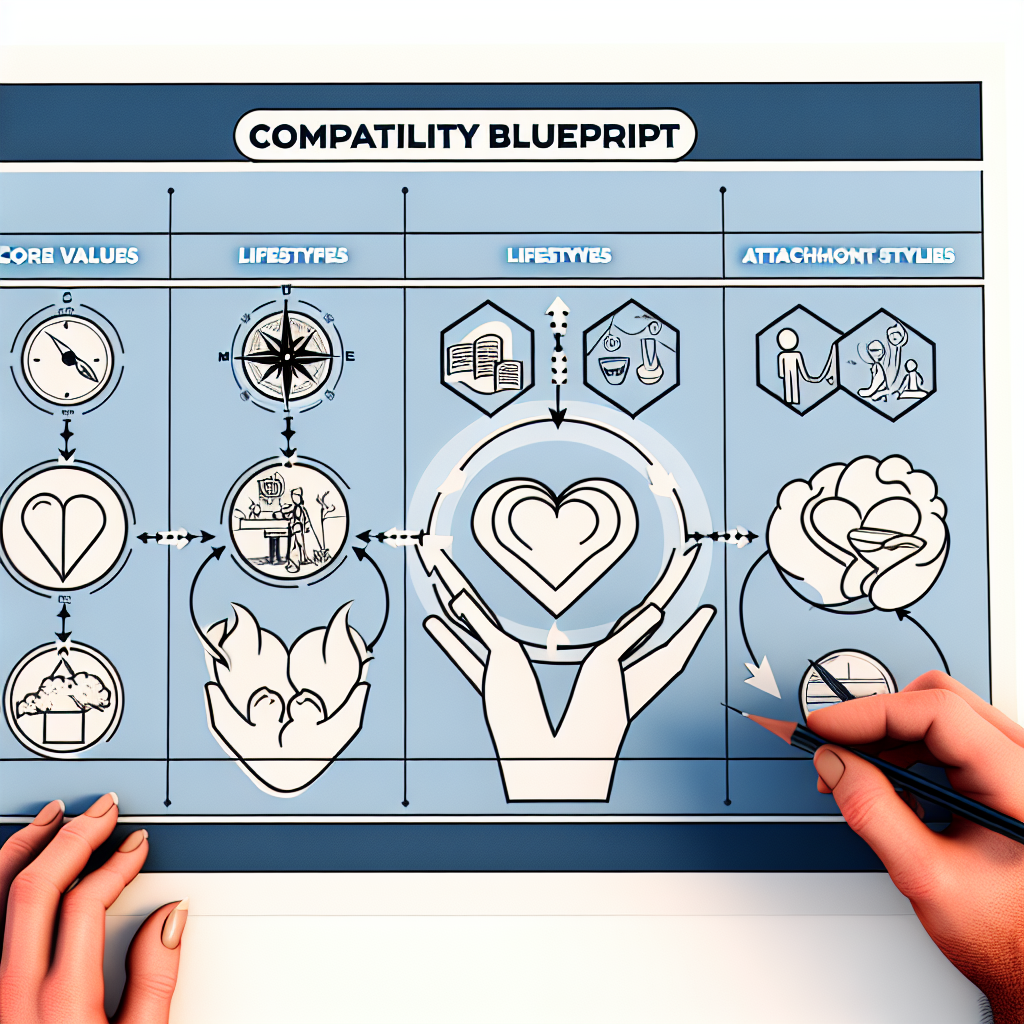
Rather than lean on tradition—dinner dates, small talk, and superficial charm—intentional dating redefines the first meeting as a tool to assess shared core values. Think of it as a casual “compatibility interview,” designed to reveal whether two people align in areas that truly matter: life purpose, ethics, priorities, and relationships. But make no mistake—this isn’t about interrogations or eliminating playfulness. It’s about blending fun environments with meaningful topics, allowing both people to show up authentically and fully present in mind and heart.
Increasingly, daters across generations—from Gen Z to Boomers—are opting for this approach to reduce burnout and avoid investing in the wrong match. Whether you’re exploring family values, ambition, or spirituality, surfacing these topics early can lead to richer conversations and save you from long-term disappointment.
Features and Supporting Research
A substantial body of research supports the link between shared values and long-term relationship success. Studies conducted by the Gottman Institute emphasize the importance of “shared meaning.” According to Drs. John and Julie Gottman, couples who connect on deeper philosophical and emotional levels—by discussing topics like religion, politics, and life aspirations—are more likely to experience lasting intimacy and emotional security.
In addition, a study published in the Journal of Social and Personal Relationships revealed that compatibility in values and goals consistently outranked physical attraction in predicting long-term satisfaction. Participants highlighted mutual worldviews and authentic communication as key to enduring connection.
Reinforcing this, research from the University of Toronto shows that those who prioritize authentic self-expression during early dating stages build more fulfilling relationships. When individuals can show up as their true selves from day one, they avoid future identity clashes and misalignment.
Psychologist Dr. Paul Eastwick, based at the University of California, Davis, has conducted compelling studies that challenge the notion that attraction alone predicts long-term success. His academic work proves that while physical magnetism may ignite romance, it’s shared psychological traits and values that sustain it.
So how can singles implement the principles of Intentional First Date Architecture?
It’s all about choosing the right combination of environment and dialogue. Instead of a traditional dinner, consider shared experiences that inspire deeper conversations—like attending a museum, volunteering, taking a cooking class, or going to a bookstore café. These settings create openings for richer dialogue, naturally guiding chats toward personal philosophies, passions, and priorities.
Equally important are the questions you ask. Skip superficial icebreakers like “What do you do for fun?” and lean into reflective prompts such as, “What’s a belief that’s shaped your life?” or “What motivates you when life feels hard?” Not only do these questions promote authenticity, but they also reveal each person’s life template.
One tool to consider integrating is the 36 Questions That Lead to Love, developed by psychologist Arthur Aron. These science-backed prompts guide couples from light banter into deeper emotional connection while keeping the exchange light and approachable. Even borrowing five or six of these can transform a first date from passive to purposeful.
Moreover, practicing presence is critical. Put the phones away, listen intentionally, and respond with empathy. This encourages vulnerability and increases the likelihood of mutual resonance. When both daters are fully engaged, they’re better equipped to assess not just if they enjoy each other’s company—but if their lives fit together in meaningful ways.
Conclusion
Intentional First Date Architecture doesn’t stifle romance—it strengthens it. By integrating shared experiences, emotionally intelligent questions, and genuine curiosity, daters foster connection that’s both passionate and purposeful. This approach provides clarity early on, helping singles avoid wasted time and maximize their chances of finding a truly compatible partner. Whether you’re twenty-five or seventy-five, dating intentionally is a timeless strategy for building relationships rooted in mutual trust, meaning, and love.
References
– The Gottman Institute – Research on Shared Meaning
– Journal of Social and Personal Relationships – Study on Shared Values and Satisfaction
– University of Toronto – Authentic Self-Expression in Relationships
– UC Davis – Dr. Paul Eastwick’s Work on Relationship Longevity
– Arthur Aron’s 36 Questions – New York Times
Concise Summary
Intentional First Date Architecture is a mindful approach to dating that prioritizes core values over superficial charm. Backed by relationship research from institutions like the Gottman Institute and UC Davis, it suggests creating purposeful experiences—like cooking together or exploring shared causes—that foster deeper conversations about ethics, life goals, and authenticity. Replacing shallow small talk with meaningful questions boosts emotional connection and reduces wasted effort. This strategy benefits singles of all ages, offering a better foundation for love built on alignment, presence, and mutual respect. Ultimately, intentional dating leads to more satisfying and sustainable romantic partnerships.

Dominic E. is a passionate filmmaker navigating the exciting intersection of art and science. By day, he delves into the complexities of the human body as a full-time medical writer, meticulously translating intricate medical concepts into accessible and engaging narratives. By night, he explores the boundless realm of cinematic storytelling, crafting narratives that evoke emotion and challenge perspectives. Film Student and Full-time Medical Writer for ContentVendor.com