The Post-Match Debrief Protocol: How to Extract Maximum Learning from Every Curated Date, Whether It’s a Yes or No
Introduction
In the fast-paced world of modern dating, we’re often coached to “just get back out there” — swipe, match, meet, and repeat. But repetition alone doesn’t deliver meaningful results, especially when using curated dating platforms like HitchMe. That’s where the Post-Match Debrief Protocol comes in — a structured self-reflection method that enables you to maximize learning from every match, whether it lights a spark or fizzles out.
A date isn’t merely an isolated event; it’s a data point in the broader pattern of your romantic life. Good or bad, each experience exposes vital information — your preferences, boundaries, emotional habits, and potential blind spots. Yet, most people skip this reflection phase entirely, racing toward the next potential partner. This avoidance not only contributes to emotional fatigue and missed red flags but also delays genuine compatibility.
Imagine approaching dating the way athletes approach games or businesses approach completed projects — with a review. What went well? What could be improved? What lessons were learned? Thinking of each match not as a make-or-break moment but as a learning unit shifts your experience from passive to intentional.
Consider asking yourself: Why did this connection feel exciting or awkward? Did I feel genuinely seen? How did I present myself — authentically or performatively? Were any green or red flags ignored? Could my profile, match preferences, or communication style be adjusted based on what I discovered?
Studies from psychology, sociology, and neuroscience confirm that reflective dating strengthens your future decision-making and boosts your emotional intelligence. Emotional detachment from an outcome allows for more honest insights, ultimately refining your dating instincts.
The Post-Match Debrief Protocol isn’t only about understanding others — it’s about deepening your relationship with yourself. Whether you’re seeking your first love, healing from heartbreak, or stepping into love again later in life, reflection anchors your growth. This article explores the how and why behind this intentional process, helping you date with clarity, resilience, and joy.
Features
Recent psychological and sociological research underlines the power of post-experience reflection — especially when it comes to romantic encounters. A 2013 study published in the Journal of Social and Personal Relationships found that individuals who actively reflected on their dating experiences experienced increased emotional resilience, better closure, and a heightened understanding of personal needs in future relationships. Subjects who engaged with their dating experiences on a deeper emotional level reduced their likelihood of repeating unhelpful patterns.
Renowned relationship expert Dr. Gary W. Lewandowski echoes this in his TEDx talk and numerous publications. He introduces the concept of relationship self-awareness — the sustained ability to assess how you show up in romantic spaces and how that impacts your relational outcomes. This ability helps individuals recognize compatibility indicators and fosters healthier patterns over time.
From a broader performance perspective, a noteworthy study conducted by Harvard Business School discovered that participants who engaged in structured reflection demonstrated 23% better performance on future tasks. While rooted in the corporate context, the message is transferable — structured self-analysis heightens performance across domains, dating included.
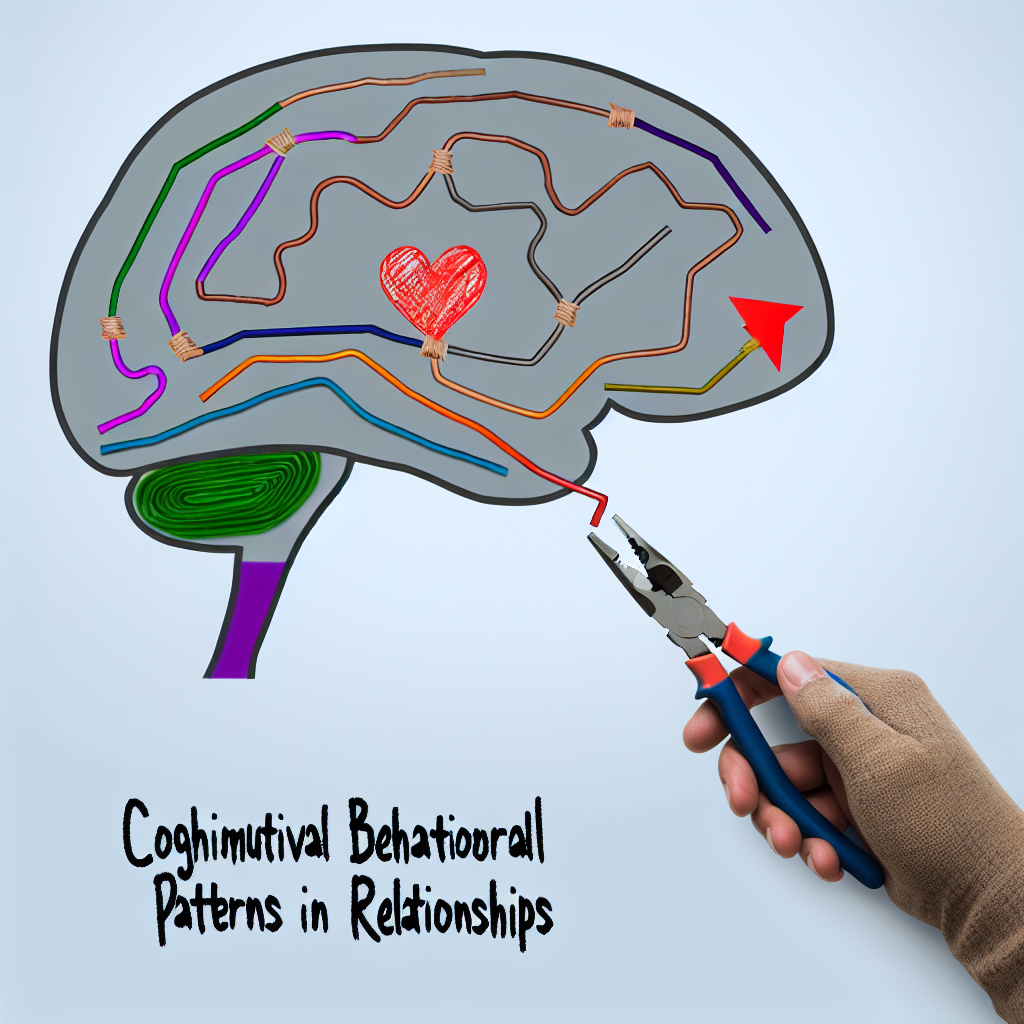
Biologically, reflection lights up the parts of the brain responsible for memory processing, emotional regulation, and decision-making. Dr. Helen Fisher, a leading biological anthropologist and senior researcher at The Kinsey Institute, explains that reviewing romantic interactions helps condition the brain to identify attraction pathways and attachment cues faster. This enhanced cognition helps daters avoid repeating toxic experiences and listen more closely to compatibility cues.
When you apply the Post-Match Debrief Protocol, you’re not guessing — you’re practicing a scientifically-informed strategy. This evolves your dating life into a thoughtful, empowered process. Whether you’re assessing chemistry, values alignment, or emotional safety, reflection positions you as a more empathetic and intuitive dater.
Conclusion
In an era where online and curated dating are the norm, thriving romantically means more than simply showing up — it requires self-awareness and reflection after each interaction. The Post-Match Debrief Protocol empowers you to transform emotional experiences into enduring insights. Whether your date sparked butterflies or closure, intentional self-reflection helps evolve your sense of who you are, what you want, and how to recognize it when it appears.
Every date is part of a longer narrative — one where growth, not just outcome, is the central plot. By making debriefing a non-negotiable part of your dating process, you stop stumbling and start seeing. The result? More meaningful matches and less wasted heart energy. Date smarter. Reflect deeper. Love better.
Concise Summary (100 words)
The Post-Match Debrief Protocol is a structured reflection process that transforms dating experiences—whether successful or not—into valuable lessons. Backed by research from psychology and neuroscience, this method promotes self-awareness, emotional maturity, and better decision-making in romantic relationships. Inspired by performance debriefs in sports and business, this protocol allows daters to refine their intuition, avoid repeating patterns, and get clearer on what truly matters in a partner. When incorporated regularly, it improves dating outcomes, reduces burnout, and builds emotional intelligence. Think of each match as a stepping stone toward clearer compatibility and deeper self-understanding.
References
– Frost, D. M. (2013). “The benefits and costs of self-disclosure in relationships.” Journal of Social and Personal Relationships.
– Lewandowski, G. W. (TEDx Talk). “Breakups Don’t Have to Leave You Broken.”
– Di Stefano, Gino, Pisano. (2014). “Learning by Thinking: How Reflection Improves Performance.” Harvard Business School Working Paper.
– Dr. Helen Fisher at The Kinsey Institute
– Psychology Today: Relationship Self-Awareness Is Rare and Essential

Dominic E. is a passionate filmmaker navigating the exciting intersection of art and science. By day, he delves into the complexities of the human body as a full-time medical writer, meticulously translating intricate medical concepts into accessible and engaging narratives. By night, he explores the boundless realm of cinematic storytelling, crafting narratives that evoke emotion and challenge perspectives. Film Student and Full-time Medical Writer for ContentVendor.com