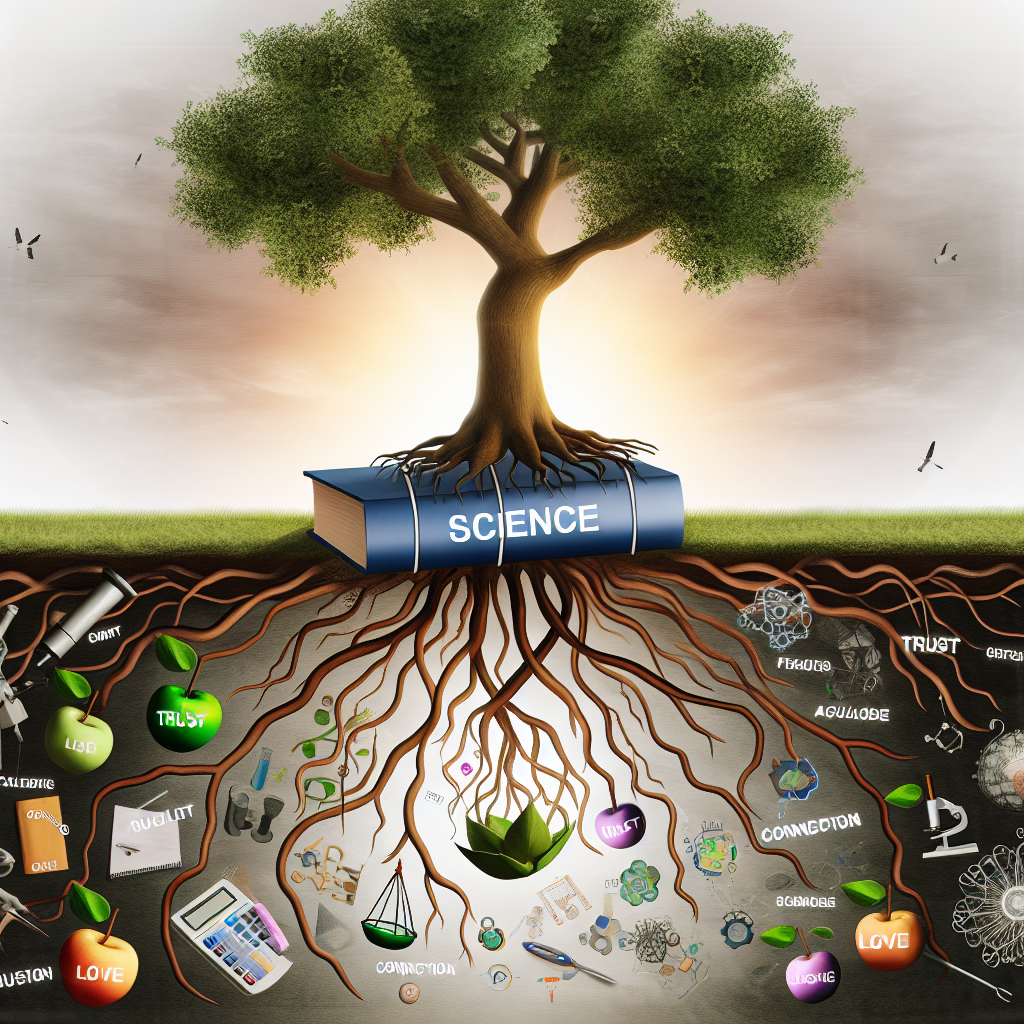
The Science of Attachment: Creating a Relationship Blueprint for Future High-Achievers
In today’s fast-paced world, singles are striving not only for career success but also for fulfilling personal lives, intertwining romantic relationships with their goals and achievements. A fundamental concept that can support these aspirations is understanding the **science of attachment**. This psychological theory provides insights into our **behavioral patterns** and **emotional needs** in relationships, shaping how we interact and connect with others. By aligning one’s **relationship blueprint** with the science of attachment, high-achievers can nurture deeply satisfying connections that bolster their path to success.
Attachment theory, originally developed by **John Bowlby** and **Mary Ainsworth**, revolves around the idea that our early interactions with primary caregivers shape our **emotional bond styles**, impacting adult relationships. There are four main **attachment styles**: secure, anxious, avoidant, and disorganized. Each influences how we respond to intimacy, conflict, and communication in our relationships. Singles who wish to optimize their dating experiences and relationship success can benefit from identifying their attachment style.
A secure attachment style, generally considered the healthiest, involves a deep sense of **trust** and comfort with closeness, while an anxious attachment style might be characterized by a heightened need for approval or fear of abandonment. Those with an avoidant attachment style may prioritize **independence** and resist deep emotional engagement, whereas a disorganized style can present a conflictual approach to intimacy. Recognizing these patterns can lead to the development of improved relationship skills, promoting both personal happiness and professional achievements.
Incorporating this understanding into your dating strategy allows you to form stronger connections, enhance communication, and reduce unnecessary stress, important factors for maintaining balance as a high-achiever. **Self-awareness** of attachment styles also aids in choosing partners who complement your emotional needs, making both romantic and professional pursuits more harmonious and productive.
Features: Professional Studies on Attachment Theory in Relationships
Numerous studies underscore the importance of attachment theory in shaping healthy and successful relationships. Dr. **Cindy Hazan** and Dr. **Phillip Shaver**’s influential research in the late 1980s expanded the application of attachment theory beyond childhood, demonstrating its relevance to adult romantic relationships. Their work illustrated that the emotional bonds we form with romantic partners often mirror those established with primary caregivers, influencing relationship satisfaction, stability, and dynamics.
Other significant studies, such as those conducted by Dr. **Sue Johnson**, highlight the power of secure attachments in building lasting and fulfilling partnerships. Her research in the field of **Emotionally Focused Therapy (EFT)** suggests that couples who cultivate a secure attachment experience greater emotional responsiveness and intimacy. This is crucial for high-achievers, as strong emotional ties often serve as a supportive foundation amid career challenges and achievements.
The field of neuroscience further supports the role of attachment in adult relationships. Recent research using **brain imaging techniques** reveals that securely attached individuals exhibit more efficient **emotional regulation** and lower stress levels. This implies that high-achievers with secure attachments may better handle the pressures of success without compromising their personal relationships.
Moreover, attachment theory has been linked to mental and emotional well-being. A study published in the “[Journal of Personality and Social Psychology](https://psycnet.apa.org/record/1988-14473-001)” found that individuals with secure attachments report higher overall life satisfaction. This connection between personal well-being and attachment underscores the value of developing a relationship blueprint centered on understanding and improving attachment styles.
Conclusion
Understanding and applying the science of attachment is a game-changer for singles aspiring to blend career success with fulfilling personal lives. By recognizing the influence of attachment styles and committing to personal growth, high-achievers can create a relationship blueprint that enhances both professional and personal pursuits. Cultivating secure bonds ensures a supportive network, fostering resilience and contentment. Embrace the insights of attachment theory, and you’ll find yourself well-equipped to achieve not only professional milestones but also rich, rewarding relationships.
**Concise Summary**
Understanding the **science of attachment** can significantly improve **relationship success** for high-achievers seeking both **career advancements** and fulfilling personal lives. By identifying and working on your **attachment style**, you can form healthier connections that complement your **emotional needs**. Research highlights that secure attachments lead to greater **relationship satisfaction**, lower stress, and enhanced **emotional well-being**, crucial for balancing professional and personal endeavors. Leveraging insights from attachment theory, individuals can create a compelling and rewarding relationship blueprint, essential for achieving lasting contentment in all aspects of life.
**References**
1. [Hazan, C., & Shaver, P. (1987). Romantic Love Conceptualized as an Attachment Process. *Journal of Personality and Social Psychology.*](https://psycnet.apa.org/record/1988-14473-001)
2. [Johnson, S. M. (2004). The Practice of Emotionally Focused Couple Therapy: Creating Connection (2nd ed.). New York: Brunner-Routledge.](https://iceeft.com/what-is-eft/)
3. [Coan, J. A., Schaefer, H. S., & Davidson, R. J. (2006). Lending a Hand: Social Regulation of the Neural Response to Threat. *Psychological Science.*](https://journals.sagepub.com/doi/10.1111/j.1467-9280.2006.01626.x)
4. [Mikulincer, M., & Shaver, P. R. (2007). Attachment in Adulthood: Structure, Dynamics, and Change. New York: Guilford Press.](https://www.guilford.com/books/Attachment-in-Adulthood/Mikulincer-Shaver/9781593854560)

Dominic E. is a passionate filmmaker navigating the exciting intersection of art and science. By day, he delves into the complexities of the human body as a full-time medical writer, meticulously translating intricate medical concepts into accessible and engaging narratives. By night, he explores the boundless realm of cinematic storytelling, crafting narratives that evoke emotion and challenge perspectives. Film Student and Full-time Medical Writer for ContentVendor.com