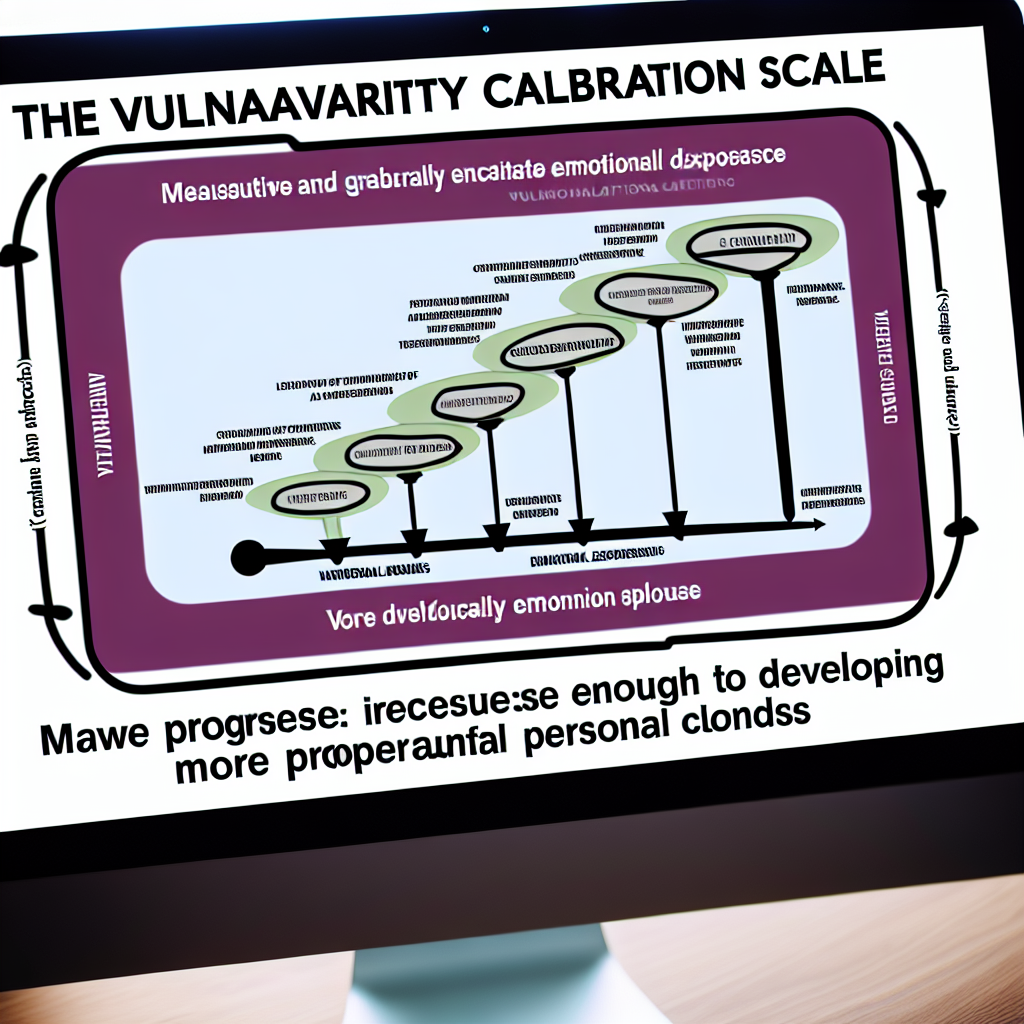
The Vulnerability Calibration Scale: A Tool to Gauge and Gradually Increase Emotional Risk for Deeper Bonds
Introduction
In the age of swipes, instant messaging, and ever-evolving digital courtship, creating a deep emotional connection often feels elusive. Today, singles in their 20s to 80s are navigating a complex social terrain—seeking love and companionship while managing personal boundaries, fear of rejection, and differing emotional readiness levels. While physical chemistry and intellectual rapport frequently dominate early interactions, it’s emotional vulnerability that provides the groundwork for enduring intimacy.
As defined by researcher Brené Brown, vulnerability isn’t a weakness—it’s courage made visible. It’s the act of showing up, being seen, and sharing one’s emotions without any guarantee of validation or acceptance. Vulnerability builds trust, fosters empathy, and nurtures richer human connections. Yet for many—particularly those with histories of emotional wounds—being open comes with considerable emotional risk.
This is where the Vulnerability Calibration Scale plays a vital role. Consider it a personal roadmap to emotional openness—a tool that allows you to intentionally and safely increase your emotional depth in relationships. Rather than diving straight into profound disclosures, this scale encourages people to ease into vulnerability, one manageable step at a time.
Practically speaking, using the scale means starting with safe, low-risk disclosures—like sharing favorite books or funny habits—before progressing to deeper topics such as past heartbreaks or long-term emotional needs. This step-by-step process incubates trust and allows for reciprocal understanding, curbing the fear of emotional overwhelm while organically deepening the connection.
Regardless of age—whether someone is embarking on their first serious romance in their 20s, re-entering the dating world in their 40s after divorce, or seeking companionship in their golden years—the ability to pace emotional openness is vital. The Vulnerability Calibration Scale meets individuals where they are and helps them establish boundaries, identify emotional compatibility, and cultivate intimacy gradually.
Professional and Medical Studies Supporting Emotional Risk-Taking
Psychological and social research for decades has highlighted the pivotal role of vulnerability in fostering strong romantic and interpersonal relationships.
One prominent voice is Dr. Brené Brown. In her highly acclaimed TED Talk, “The Power of Vulnerability,” she describes how the act of being vulnerable paves the way to connection, belonging, and authenticity—elements foundational to enduring romantic relationships. Her studies show that individuals who lean into vulnerability experience stronger social bonds and higher levels of both happiness and relationship satisfaction.
Additionally, the study “Attachment, Intimacy and Relationship Satisfaction: The Role of Emotional Vulnerability” (Brunell et al., 2016) revealed that those comfortable with emotional expression tend to have more satisfied, intimate relationships. The research shows that revealing one’s emotions deepens relationship trust and emotional security—vital components in romantic longevity.
A classic experiment that echoes this is Arthur Aron’s “36 Questions That Lead to Love.” In this study, participants engage in progressively intimate questions designed to cultivate closeness. The earliest questions are light—e.g., “Would you like to be famous?”—but they escalate to deeply personal ones, such as discussing cherished memories and emotional pain. This exercise mirrors how the Vulnerability Calibration Scale works: using graduated risk to build emotional intimacy.
On the biological front, neuroscience supports this emotional trajectory. When individuals engage in vulnerability, it triggers the release of oxytocin, the hormone associated with bonding and empathy. A study by Ditzen et al. (2009) found that oxytocin enhances communication during couple conflict, reduces stress hormone (cortisol) levels, and fosters a sense of emotional safety and trust.
Gradual vulnerability also acts as a vetting tool—it helps assess a partner’s emotional availability and responsiveness. These are essential markers for identifying relationship compatibility. By operationalizing emotional risk through the Vulnerability Calibration Scale, individuals can advance in a more emotionally secure and strategic way.
Conclusion
Mastering vulnerability isn’t about baring one’s soul overnight—it’s about intentionally navigating how, when, and with whom we open up. The Vulnerability Calibration Scale offers a safe, step-by-step framework that empowers emotional risk-taking in a healthy, paced manner. Especially in today’s digital dating culture, where meaningful connections can feel fleeting, this tool provides a grounded path for authentic engagement.
Whether you’re new to love or re-exploring it after years away, learning to pace emotional vulnerability can protect your heart while still paving the way for true intimacy. The scale emphasizes informed and incremental sharing—fostering emotional safety, mutual understanding, and ultimately, deeper relational bonds.
Concise Summary
The Vulnerability Calibration Scale is a step-by-step emotional guide helping individuals gradually open up in relationships. By starting with low-risk conversations and increasing emotional depth over time, it facilitates meaningful connections and builds trust. Supported by psychological, neuroscientific, and relationship research, the scale emphasizes safe emotional exploration, particularly valuable in today’s fast-paced digital dating world. Applicable to singles of all ages, it enables thoughtful risk-taking, emotional pacing, and deeper emotional intimacy—key components of lasting romantic relationships.
References
– Brené Brown, “The Power of Vulnerability,” TEDxHouston, 2010

Dominic E. is a passionate filmmaker navigating the exciting intersection of art and science. By day, he delves into the complexities of the human body as a full-time medical writer, meticulously translating intricate medical concepts into accessible and engaging narratives. By night, he explores the boundless realm of cinematic storytelling, crafting narratives that evoke emotion and challenge perspectives. Film Student and Full-time Medical Writer for ContentVendor.com