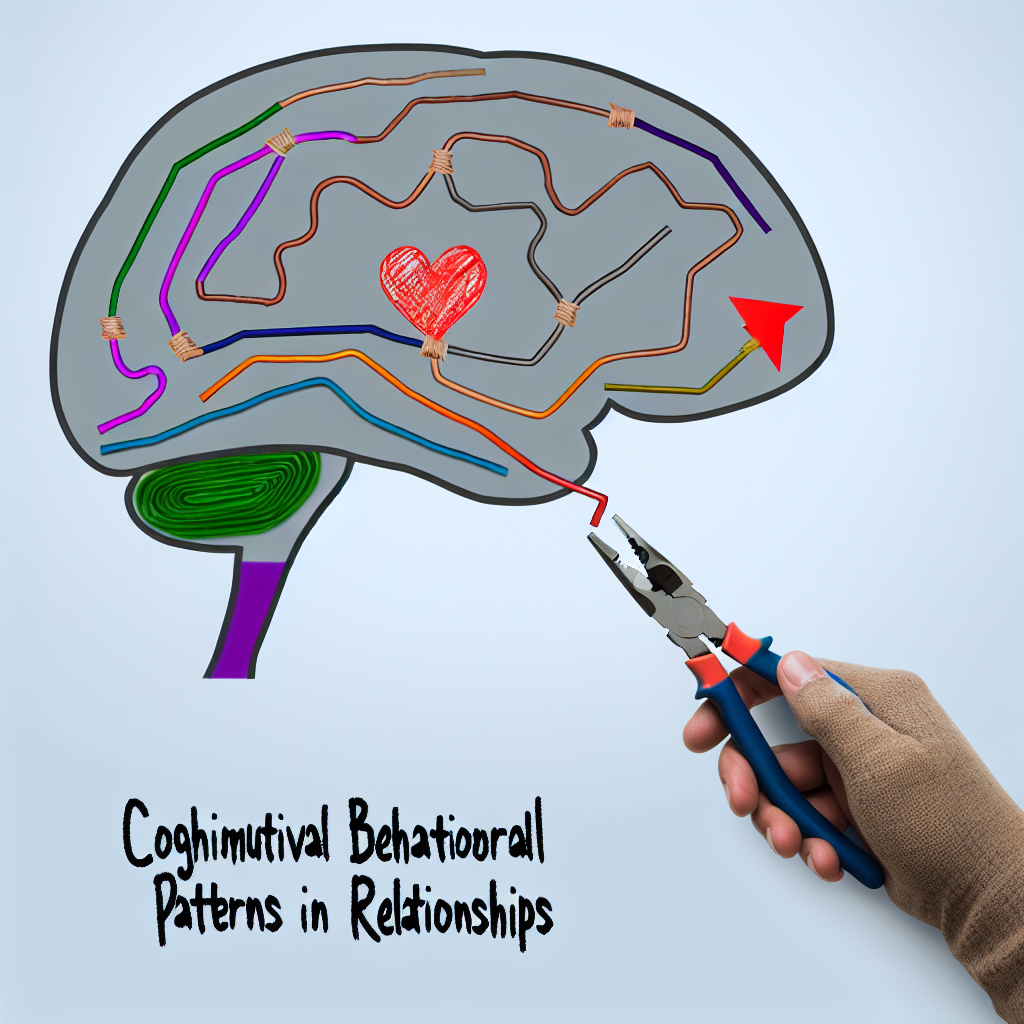
Leveraging Behavioral Economics in High-Stakes Matchmaking: Designing Commitment-Ready Relationships
Navigating the dating scene can often feel like a high-stakes game, a blend of roulette and poker that requires strategy, intuition, and a little bit of luck. However, what if we told you that there’s a scientific approach to creating commitment-ready relationships? Welcome to the world of behavioral economics, where psychological insights meet economic principles to craft effective dating strategies.
The science of behavioral economics traditionally analyzes how people make decisions, how they are not always rational actors, and how emotional, cognitive, and social factors impact their choices. When applied to dating, this means understanding how singles decide who they want to date, whom they choose to commit to, and why some relationships stand the test of time while others falter. Behavioral economics in matchmaking considers how people handle risk and reward—central themes in both economics and the pursuit of romantic partnerships.
Imagine matchmaking as an economic market. Each individual has their “market value,” influenced by various factors, including personality, objectives, perceived accessibility, and attractors (qualities that make one desirable). Behavioral economics helps us tap into the underlying reasons for our dating decisions, from initial attraction to the desire for long-term commitment. It places emphasis on decision-making tactics that can facilitate healthier, more stable relationships. When you leverage these insights, you can strategically work towards commitment-ready relationships that are both fulfilling and enduring.
For instance, an understanding of the “paradox of choice,” a concept explored by psychologist Barry Schwartz in his book [*The Paradox of Choice: Why More Is Less*](https://www.harpercollins.com/products/the-paradox-of-choice-revised-edition-barry-schwartz?variant=40902429409250), reveals that too many choices can lead to dissatisfaction and anxiety, hindering the decision-making process. In the context of dating, this might manifest in the tiring swipe culture of modern dating apps where users seemingly have endless potential matches. Recognizing this paradox encourages singles to focus on quality connections rather than getting overwhelmed by quantity.
Further, behavioral economics highlights the “loss aversion” principle, which suggests people are more motivated by the fear of loss rather than the prospect of gain. In dating, this can mean valuing what you have and nurturing existing connections rather than constantly pursuing something better. Recognizing and applying such principles in dating practices can aid in developing serious, commitment-ready relationships and reducing the likelihood of dissolution.
Features: Studies and Insights
The exploration of dating through the lens of behavioral economics is supported by an array of studies and professional insights that underscore its relevance. One significant study published in *Psychological Bulletin* delves into the concept of decision fatigue and its impact on relationships. Researchers found that individuals experiencing decision fatigue—overwhelmed by too many choices—tend to make more simplified decisions, sometimes prioritizing convenience over genuine compatibility. Incorporating this finding into dating strategies urges individuals to manage their dates and matches with careful thought and intentionality, avoiding the burnout that often accompanies the modern dating scene.
Similarly, research on the default effect, detailed in *The Journal of Economic Behavior & Organization*, is essential for understanding commitment in relationships. The study asserts that people tend to gravitate towards default options, those that require the fewest changes or decisions. In a relationship context, understanding this effect can encourage daters to establish healthy and stable relationship defaults, such as clear communication and mutual respect, making commitment a more organic progression rather than a daunting leap.
Another critical study is the work on reciprocal altruism by economist Robert Axelrod, elaborated in his book [*The Evolution of Cooperation*](https://www.basicbooks.com/titles/robert-axelrod/the-evolution-of-cooperation/9780465072090/). Axelrod explores how cooperative behavior based on mutual benefit enhances relationship stability and satisfaction. In practice, this implies that dating strategies should emphasize reciprocity, a mutual give-and-take which fosters trust and commitment.
These insights are transformative when individuals apply them to real-life dating scenarios. Engaging with these principles encourages an introspective approach to dating, focusing not just on the potential partner but also on one’s goals, desires, and the behavioral patterns that influence decision-making. By integrating these economic and psychological insights, singles can design dating experiences that prioritize compatibility and foster long-term commitment.
Conclusion
Incorporating the principles of behavioral economics into dating strategies offers a revolutionary pathway to nurturing commitment-ready relationships. By understanding how decisions are influenced and employing strategies that prioritize meaningful connections, singles can foster relationships that are both fulfilling and lasting. This scientifically backed approach not only aids individuals in avoiding common dating pitfalls but also provides a roadmap for achieving relational success in a complex dating landscape.
References
1. [Schwartz, B. (2004). *The Paradox of Choice: Why More Is Less*. HarperCollins.](https://www.harpercollins.com/products/the-paradox-of-choice-revised-edition-barry-schwartz?variant=40902429409250)
2. Vohs, K. D., Baumeister, R. F., Schmeichel, B. J., Twenge, J. M., Nelson, N. M., & Tice, D. M. (2011). Decision fatigue exhausts self-regulatory resources causing self-control failure. *Journal of Personality and Social Psychology*. [Link](https://psycnet.apa.org/doi/10.1037/a0022473).
3. [Axelrod, R. (1984). *The Evolution of Cooperation*. Basic Books.](https://www.basicbooks.com/titles/robert-axelrod/the-evolution-of-cooperation/9780465072090/)
Concise Summary
Behavioral economics offers a unique perspective on creating commitment-ready relationships by analyzing decision-making through economic principles and psychological insights. Key findings include understanding the paradox of choice, decision fatigue, default effects, and reciprocal altruism to improve dating strategies. These insights help singles focus on quality connections and foster long-term commitment in the complex dating landscape.

Dominic E. is a passionate filmmaker navigating the exciting intersection of art and science. By day, he delves into the complexities of the human body as a full-time medical writer, meticulously translating intricate medical concepts into accessible and engaging narratives. By night, he explores the boundless realm of cinematic storytelling, crafting narratives that evoke emotion and challenge perspectives. Film Student and Full-time Medical Writer for ContentVendor.com