From Teflon to Velcro: Building Emotional Resilience in High-Stakes Relationships
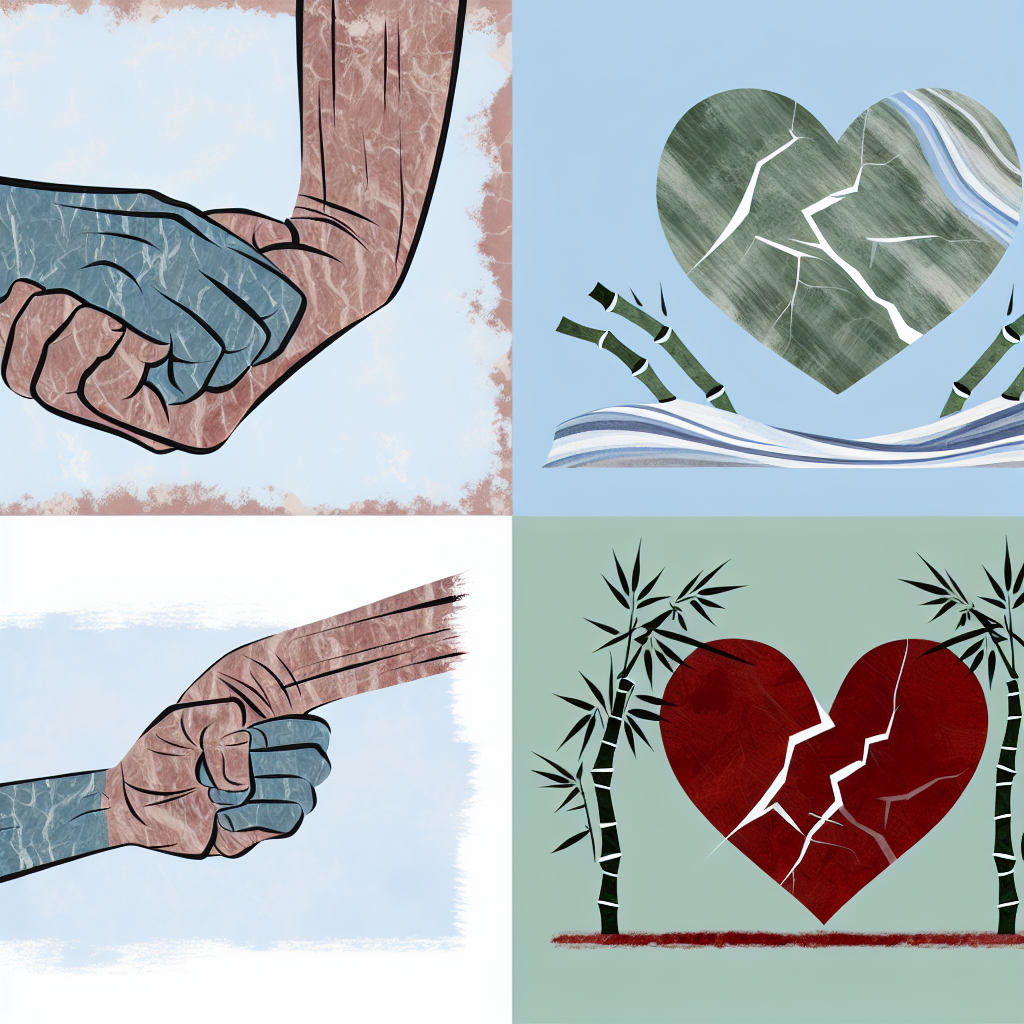
In the realm of modern dating, relationships often find themselves at a crossroads between excitement and unpredictability. Whether you’re a collegiate navigating the complexities of your first serious relationship or a seasoned individual exploring intimate connections later in life, the emotional stakes remain high. The emotional roller coaster of relationships makes it imperative for individuals to develop resilience—a transformation from emotional detachment akin to Teflon, where feelings slide off, to deep emotional connection like Velcro, where emotions are engaged and constructively managed.
The journey from being emotionally resistant to becoming resilient is crucial for lasting relationships. Emotional resilience in relationships refers to the ability to manage stress, adapt, and grow in the face of challenges. For singles aged 18 to 80, the universal need is to forge connections that allow for both vulnerability and strength. In nascent relationships, emotional resilience allows individuals to navigate misunderstandings or the teething problems arising from differing expectations, backgrounds, and emotional experiences. Younger daters often encounter a whirlwind of emotions influenced by societal expectations and personal identity evolution. For these singles, emotional resilience entails gracefully managing heartbreak and rejection, fostering self-awareness, and understanding that emotional growth is inherently part of the dating journey.
For those at the other end of the spectrum—singles in their 50s, 60s, and beyond—dating can take place against backdrops of previous relationships, loss, or significant life changes. Here, emotional resilience helps in reconciling past experiences and opening oneself to new emotional investments. Older individuals often face unique challenges like blending families or aligning life goals with a new partner. Emotional resilience facilitates healthy communication and acceptance, addressing concerns arising from past experiences. Regardless of age, building emotional resilience is an enriching endeavor, ultimately leading to intimate connections where individuals feel seen, heard, and valued.
Features: Exploring Studies on Emotional Resilience in Relationships
Numerous studies explore the relationship between emotional resilience and relationship satisfaction. According to research published in the [Journal of Personality and Social Psychology](https://www.apa.org/pubs/journals/psp), couples who display higher levels of emotional resilience experience greater relationship satisfaction and stability. This study suggests that resilient partners are better equipped to handle conflicts constructively and maintain a positive outlook even during challenging times. The ability to bounce back from setbacks with minimal psychological distress underscores the importance of emotional resilience.
In another study featured in the [Journal of Psychological Science](https://journals.sagepub.com/home/pss), researchers found that individuals with higher emotional resilience tend to engage in more effective coping strategies, enhancing relationship satisfaction. This study sheds light on the link between resilience and adaptive coping mechanisms, which include open, honest communication and a willingness to understand a partner’s viewpoint during disagreements.
Medical research also corroborates the benefits of building emotional resilience. A paper from the [American Psychological Association](https://www.apa.org) highlights how the development of emotional resilience can mitigate anxiety and depressive symptoms, leading to healthier and more fulfilling relationships. It points to cognitive-behavioral therapy (CBT) and mindfulness practices as effective methods for enhancing resilience. These therapeutic approaches teach individuals to reframe negative thoughts and increase emotional awareness, paving the way for emotionally resilient behavior.
Moreover, a longitudinal study published by the [National Institutes of Health](https://www.nih.gov) indicates that resilience training leads to decreased levels of stress and enhanced well-being, both crucial components of maintaining satisfying relationships. The findings underscore the potential of resilience-building techniques to improve not only individual emotional health but also relational harmony.
Conclusion
From the early days of courtship to decades-long companionships, emotional resilience is a cornerstone of healthy, high-stakes relationships. By transitioning from emotional defensiveness, akin to Teflon, to deep and meaningful connections, like Velcro, singles can create fulfilling partnerships at any stage of life. Building emotional resilience empowers individuals to face challenges with grace, ensuring that love remains strong and enduring across life’s varied landscapes.
Summary
From early romance to long-term partnerships, building emotional resilience is essential for sustaining healthy relationships. This journey involves moving from emotional detachment, symbolized by Teflon, to a deeper emotional connection, like Velcro. Emotional resilience helps individuals manage stress and grow through challenges, fostering stronger bonds. Studies show that resilience leads to more effective conflict resolution, elevated relationship satisfaction, and reduced stress. Whether young or old, the development of emotional resilience empowers individuals to create lasting, fulfilling connections, characterized by openness and love. Utilizing techniques like CBT and mindfulness can enhance one’s resilience and relationship quality.