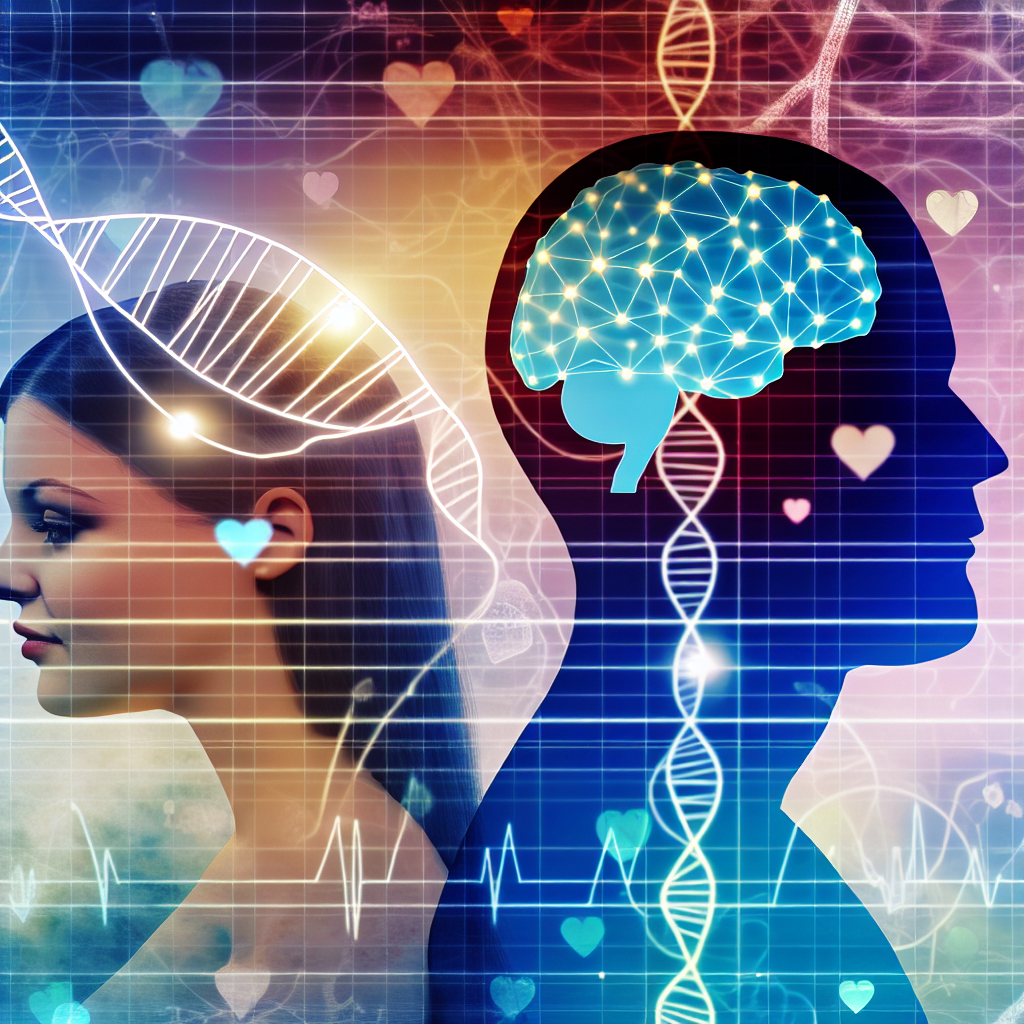
Unlocking the Science of Attraction: How Neuroscience Can Predict Long-Term Relationship Success
Introduction
In a quest for love, understanding the mechanics of attraction has been a long-standing pursuit both personally and scientifically. For singles aged 18 to 80, the search might feel like a complex maze, yet the answer may lie within our own brains. Neuroscience—the study of the nervous system and brain functions—brings intriguing revelations about the chemical and electrical processes that influence who we find attractive and why. This burgeoning field sheds light not only on initial attraction but also on the potential for lasting relationships.
The journey from a fleeting interest to a lifelong partnership can be uncertain, filled with unpredictability and variables. While chemistry between individuals has often been attributed to mystical forces or a fortune of fate, neuroscience provides a more structured narrative. Attraction is not a random occurrence; rather, it’s triggered by complex brain activities that can be predicted and analyzed.
Understanding how neurotransmitters such as dopamine, serotonin, and oxytocin function during the initial, intermediate, and long-term phases of a relationship is crucial. For instance, dopamine, often dubbed the ‘feel-good’ hormone, plays a significant role during the initial phases of attraction. It’s the same chemical that surfaces when we anticipate a reward, offering an exhilarating feeling similar to the effects experienced from addictive substances.
However, adrenaline and other chemicals also contribute to the ‘butterflies in the stomach’ sensation, intensifying the desire and excitement. As relationships develop, serotonin, often associated with happiness and well-being, begins to stabilize mood and emotions. Ultimately, the bonding chemical oxytocin helps solidify the feelings of attachment and commitment, making long-term relationships possible.
Research is progressively demonstrating that the brain’s response to a partner can predict relationship success. Certain patterns of neural activation, when aligned with external factors such as compatibility and communication, support the notion of lasting love.
Features
Numerous studies have explored the neurobiological basis of attraction, shedding light on how these processes can forecast relationship durability. Notably, a study published in the journal [*Social Cognitive and Affective Neuroscience*](https://www.ncbi.nlm.nih.gov/pmc/articles/PMC2881198/) delves into the role of brain activity in assessing emotional connections. Researchers used functional magnetic resonance imaging (fMRI) to observe which areas of the brain are activated when participants viewed photographs of their romantic partners. The study found that the brain’s reward centers were highly active, indicating a strong correlation between neural responses and emotional attachment.
Another groundbreaking study conducted by the Department of Psychology at Stony Brook University examined the role of the ventral tegmental area (VTA), a part of the brain heavily involved in motivational and emotional functions. The findings indicated that activity in the VTA was a predictor of relationship satisfaction and longevity. Couples who displayed sustained activity in this area over time reported higher satisfaction levels in their relationships ([source](https://www.jstor.org/stable/41343687)).
Even more fascinating, a study on oxytocin release during couple interactions highlighted its importance in fostering long-term attachments. Researchers at the University of Bonn discovered that oxytocin production significantly increased during positive interactions between partners. This ‘love hormone’ not only promotes feelings of closeness but also reduces stress and fosters trust, key components in maintaining a healthy, enduring relationship ([source](https://journals.sagepub.com/doi/10.1177/0956797613519377)).
These studies collectively imply that a harmonious blend of chemical reactions in the brain can predict the potential success or failure of long-term relationships. Knowing the impact of these biochemical responses offers individuals strategic insights into their romantic endeavors, enabling them to make informed decisions about their partners.
Conclusion
The science of attraction is not simply an art guided by chance or fate; it is deeply rooted in neuroscience. By understanding how our brains respond to potential partners, we gain a powerful tool in navigating the complexities of romantic relationships. This knowledge allows singles and couples to approach love with informed optimism, potentially leading to stronger and longer-lasting partnerships. Understanding the neural components of attraction could be the key to unlocking the mystery of sustained love and happiness.
Concise Summary
The article delves into the role of neuroscience in understanding attraction and predicting long-term relationship success. By analyzing neurotransmitters like dopamine, serotonin, and oxytocin, neuroscience provides insights into our attraction patterns and relationship potentials. Studies using fMRI and observing brain activities such as in the VTA reveal that neural responses align with emotional attachment and relationship satisfaction. Thus, understanding these chemical reactions could revolutionize how individuals approach romantic endeavors, offering the possibility of lasting, fulfilling partnerships by demystifying the elements of attraction and commitment through scientific exploration.

Dominic E. is a passionate filmmaker navigating the exciting intersection of art and science. By day, he delves into the complexities of the human body as a full-time medical writer, meticulously translating intricate medical concepts into accessible and engaging narratives. By night, he explores the boundless realm of cinematic storytelling, crafting narratives that evoke emotion and challenge perspectives. Film Student and Full-time Medical Writer for ContentVendor.com