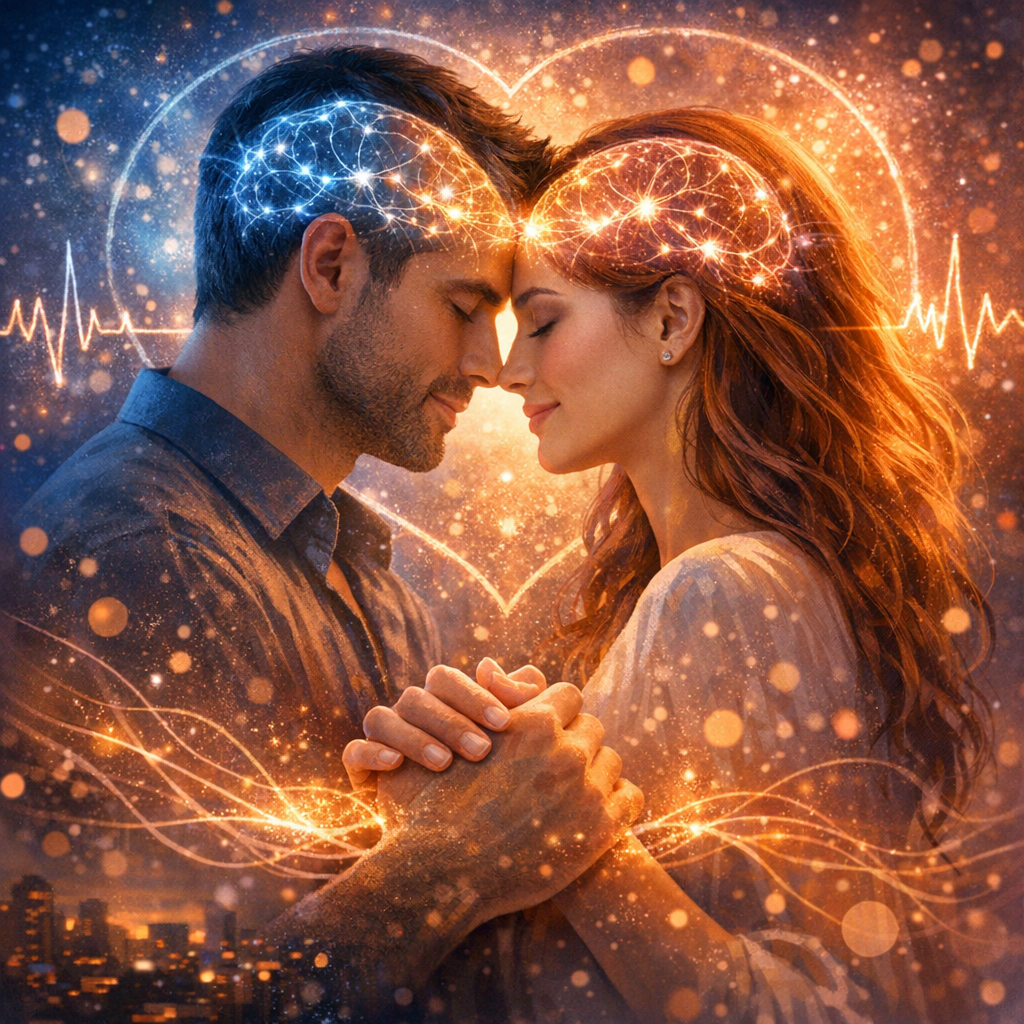
Unlocking Intimacy: The Neuroscience of Connection in High-Performing Relationships
In the quest for lasting love and meaningful connections, understanding the dynamics of intimacy can be a game-changer. Intimacy isn’t just about physical closeness; it encompasses emotional and psychological openness, trust, empathy, and vulnerability. Recent advancements in neuroscience have unveiled fascinating insights into how our brains influence and sustain intimate, high-performing relationships. By tapping into these scientific discoveries, singles across all ages can foster deeper connections and build fulfilling romantic partnerships.
The science behind intimacy involves a complex interplay of neural pathways and chemical processes that influence how we form emotional bonds. At the heart of this process is the neuropeptide oxytocin, often dubbed as the “love hormone.” Oxytocin is released during physical touch, intimate moments, and even while gazing into a partner’s eyes. It plays a crucial role in promoting feelings of trust, security, and bonding between partners. Additionally, neurotransmitters such as dopamine and serotonin help maintain these feelings of happiness and well-being, further strengthening romantic connections.
Understanding these natural processes can empower individuals to nurture their relationships consciously. By developing a deeper comprehension of how our brains function in the context of love and intimacy, singles and couples alike can start fostering high-performing relationships. But connection isn’t just about chemistry; it involves effort, intention, and awareness. Cultivating emotional intelligence, practicing empathy, and prioritizing meaningful interactions can significantly enhance intimacy levels.
Consequently, the impact of these neural mechanics extends beyond individual relationships. They also inform broader social interactions and community formations, showcasing the universal applicability of such knowledge. In a world where digital communication often overshadows face-to-face interactions, leveraging neuroscience can help individuals navigate and elevate their dating experiences. Whether you’re a young adult or in your seasoned years, understanding the neuroscience of connection equips you with tools to unlock profound intimacy and satisfaction in your relationships.
Features: Scientific Insights into Intimate Connections
Several studies have highlighted the significance of neuroscience in understanding human intimacy. Key research into oxytocin, for example, has shown its role in promoting social bonding and attachment. A study conducted by the University of California, Berkeley, revealed that oxytocin release during cooperative activities increases emotional closeness among participants ([ScienceDaily, 2011](https://www.sciencedaily.com/releases/2011/04/110428072240.htm)).
Moreover, research published in the journal *Nature* highlighted how oxytocin affects trust and cooperation between individuals. The study found that increased oxytocin levels result in heightened trust, making it critical for nurturing intimate relationships ([Kosfeld et al., 2005](https://www.nature.com/articles/nature03701)). This discovery underscores the potent effect of neurotransmitters in relationship dynamics, especially when partners engage in joint activities or shared goals.
Dopamine, another important neurotransmitter in romantic relationships, fosters attraction and motivation. According to a study in the journal *Psychiatric Clinics of North America*, dopamine pathways are activated when we anticipate rewarding experiences, like spending time with a loved one, enhancing the pleasure associated with romantic interactions ([Klein, 2004](https://www.psychiatric.theclinics.com/article/S0193-953X(03)00110-1/fulltext)).
Additionally, serotonin, a neurotransmitter known for mood regulation, plays a vital role in maintaining relationship stability. A study published in the *Journal of Clinical Investigation* found that serotonin levels impact emotional regulation and mood, with imbalances potentially leading to mood disorders that affect relationship satisfaction ([Marek et al., 2022](https://www.jci.org/articles/view/152092)).
These studies collectively point to the profound influence of neurochemicals in forming, maintaining, and nurturing intimate relationships. Understanding these processes allows individuals to take proactive steps towards fostering intimate connections, such as engaging in activities that promote oxytocin release, practicing gratitude to boost serotonin levels, and building anticipation around shared experiences to stimulate dopamine pathways.
Conclusion
The neuroscience of intimacy opens new horizons for singles seeking profound, high-performing relationships. By embracing scientific insights into how our brains operate in love, individuals can cultivate deep connections that transcend superficial interactions. Moreover, by leveraging the benefits of neurotransmitters like oxytocin, dopamine, and serotonin, partners can create an enduring foundation of trust, empathy, and closeness. As we unlock the secrets of our neural pathways, we also unlock the potential for truly satisfying, meaningful relationships.
Concise Summary
Understanding the neuroscience behind intimacy provides powerful tools for building deep, lasting romantic connections. Key neurotransmitters like oxytocin, dopamine, and serotonin play crucial roles in reinforcing trust, attraction, and emotional stability. By consciously leveraging these insights, individuals can enhance relational dynamics, ensuring greater satisfaction and intimacy. Strategies include engaging in shared activities, cultivating emotional intelligence, and fostering meaningful interactions. These principles not only benefit romantic partners but also enrich broader social interactions, offering a universal pathway to more fulfilling relationships in today’s digitally-driven world.

Dominic E. is a passionate filmmaker navigating the exciting intersection of art and science. By day, he delves into the complexities of the human body as a full-time medical writer, meticulously translating intricate medical concepts into accessible and engaging narratives. By night, he explores the boundless realm of cinematic storytelling, crafting narratives that evoke emotion and challenge perspectives. Film Student and Full-time Medical Writer for ContentVendor.com