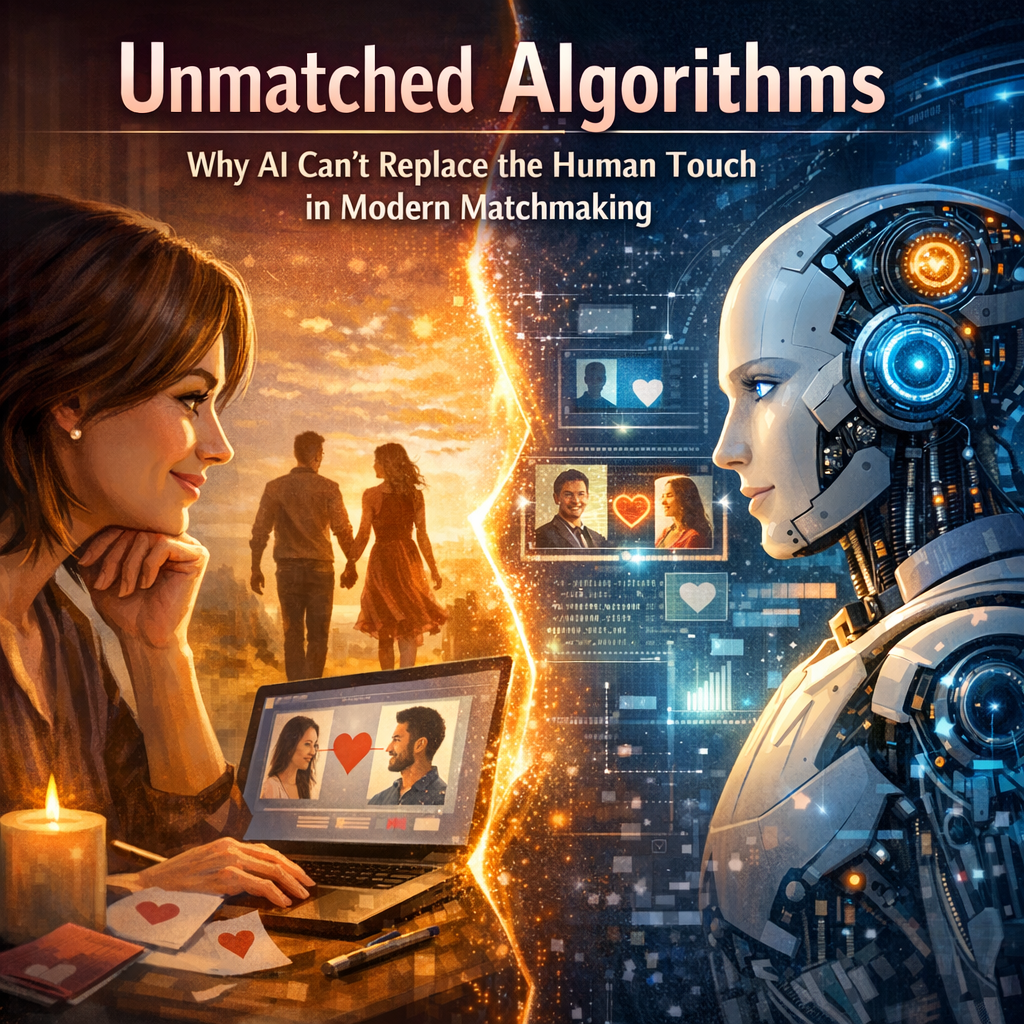
Unmatched Algorithms: Why AI Can’t Replace the Human Touch in Modern Matchmaking
Introduction
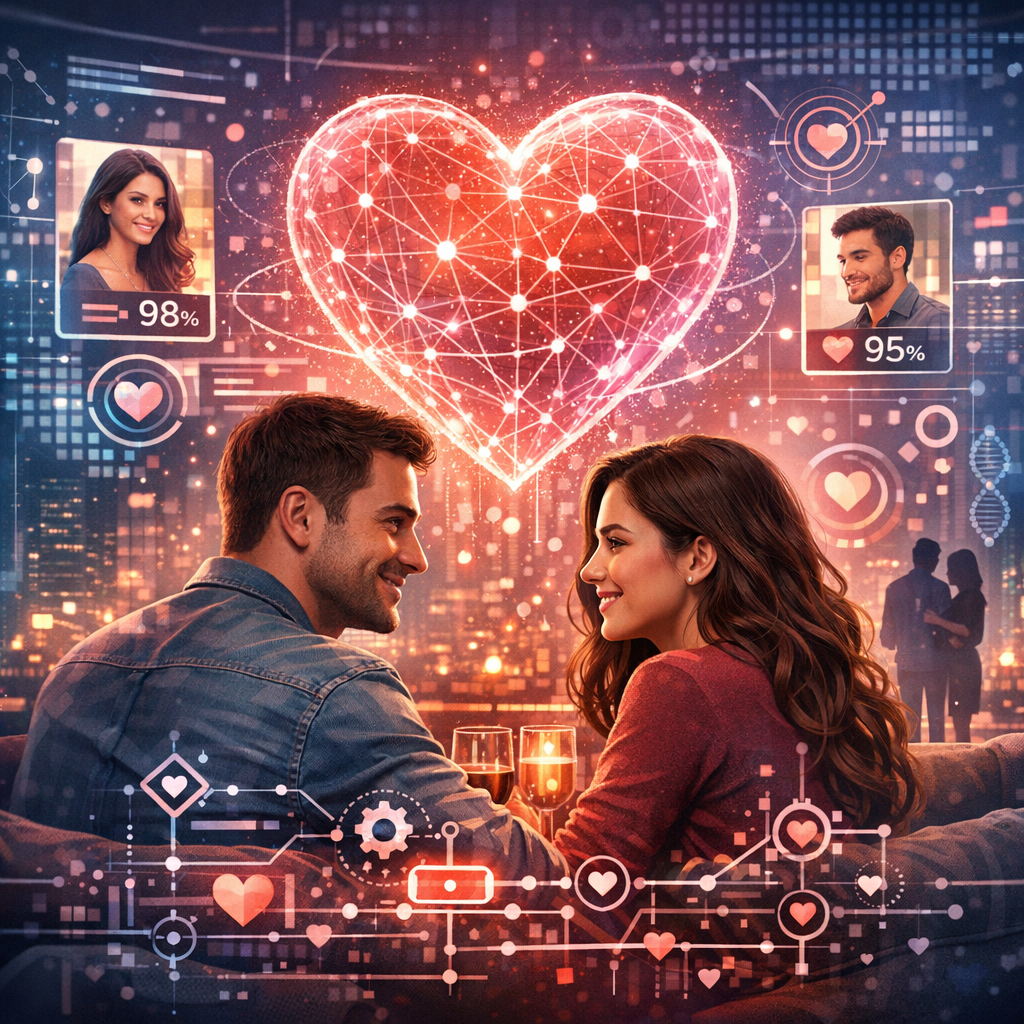
In an age where artificial intelligence (AI) is revolutionizing industries like healthcare and transportation, it’s unsurprising that it has also ventured into the world of dating and matchmaking. Dating platforms are utilizing sophisticated algorithms to pair users based on personality traits, preferences, and behaviors. For many singles, this automated process simplifies the daunting task of finding a compatible partner. However, relying solely on AI for matters of the heart begs the question: can a machine ever truly comprehend the complexities of human emotion?
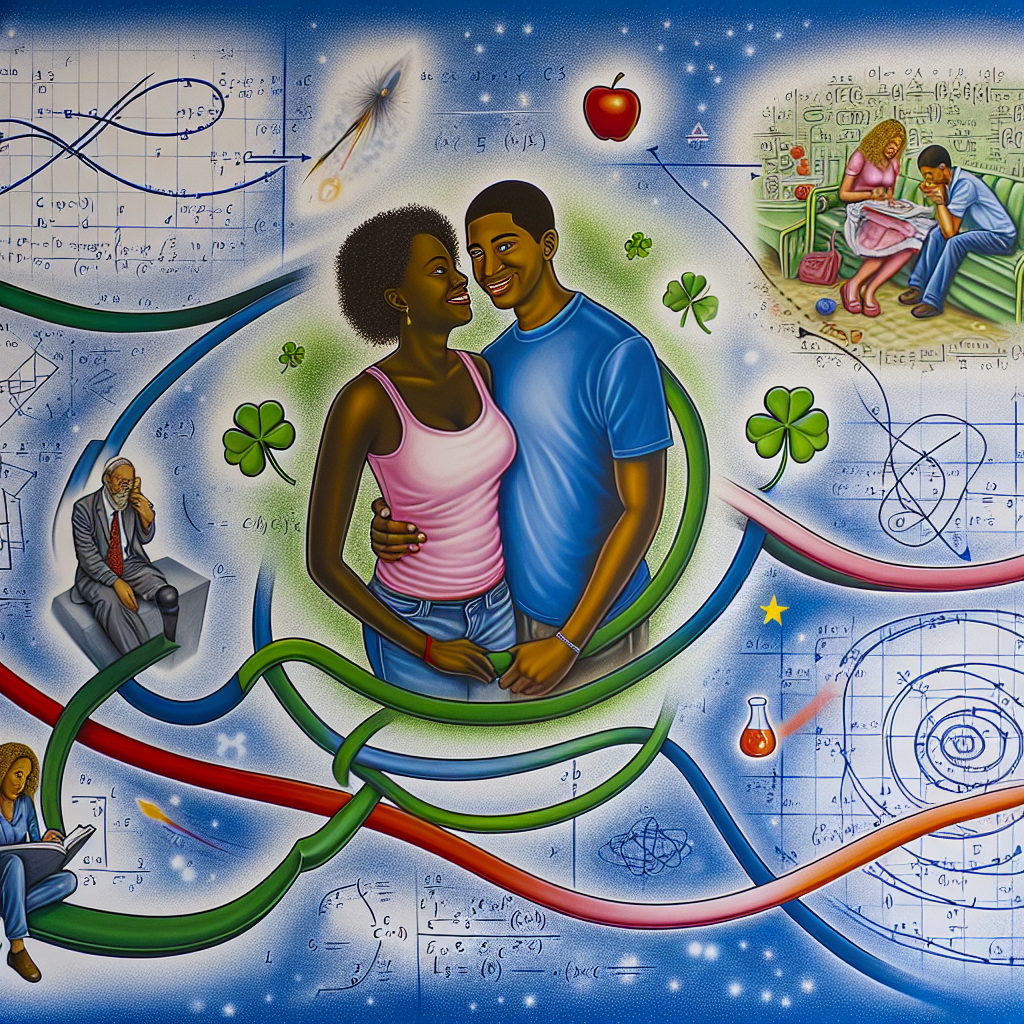
AI excels at identifying patterns and making predictions by processing and analyzing vast amounts of data. When applied to matchmaking, AI can certainly increase efficiency, sifting through large databases of singles, considering factors like age, location, interests, and even communication styles, to suggest seemingly optimal matches. Nevertheless, love is not a formula that can be wholly encapsulated by data points and algorithms. Human relationships involve nuance, spontaneity, and subjective experiences that remain beyond even the most advanced technology.
Another important facet is the emotional intelligence that is crucial in successful relationships, emphasizing the capacity to understand and manage emotions and empathize with others. AI’s replication of this aspect of human connection is challenging. Furthermore, AI lacks the ability to appreciate the unpredictability and serendipity often characterizing human relationships. Sometimes, the most profound connections arise not from common interests or backgrounds but from unforeseen encounters and shared experiences that defy algorithmic calculation.
Additionally, there’s the question of trust and authenticity in AI-driven matchmaking. While algorithms can determine compatibility based on data, they cannot guarantee genuine connections. The nuances of chemistry, body language, and intuition—the subtle, unspoken elements that often spark genuine attraction—are beyond AI’s database reach. Thus, while AI can streamline aspects of the matchmaking process, the human touch remains irreplaceable when forming romantic relationships that are authentic, fulfilling, and deeply connected.
Features
Numerous studies have explored the implications of AI in dating and human relationships. A study published in the [*Journal of Personality and Social Psychology*](https://psycnet.apa.org/record/2012-06101-001) found that while algorithmic matching can identify certain compatible factors, human emotions and unpredictability play a more significant role in relationship satisfaction and longevity (Finkel, 2012). This suggests that while technology can facilitate introductions, it cannot replicate the human elements essential for nurturing and maintaining love.
The renowned psychologist [Dr. John Gottman](https://www.johngottman.com/blog/what-the-research-says-about-online-dating/) studied real-life couples in his “Love Lab” and concluded that successful relationships are built on communication, mutual respect, and emotional support—elements not entirely measurable or manageable by AI. His research underscores the importance of emotional connection and understanding in relationships, particularly good listening and conflict-resolution skills, which remain the territory of human comprehension and empathy.
On a practical level, AI’s limitations echo in user experiences. A survey by the [Pew Research Center](https://www.pewresearch.org/fact-tank/2020/02/06/5-facts-about-online-dating/) revealed that 71% of online dating participants struggled to find meaningful connections, despite countless algorithmically suggested matches. This data reflects the gap between algorithmic predictions and the reality of human connection.
Additionally, the ethical implications of AI in dating and matchmaking are beginning to be scrutinized. Issues of data privacy, consent, and the potential to foster narrow standards of desirability based on biased algorithms are growing concerns. As AI systems learn from historical data, they can inadvertently perpetuate existing social biases, which is particularly troubling in a domain as personal as romantic relationships.
Conclusion
While AI has undoubtedly enhanced modern matchmaking by introducing efficiency and data-driven insights, it cannot replace the human touch. Authentic relationships thrive on empathy, spontaneity, and emotional connection—qualities beyond the reach of algorithms. As we navigate the digital age, embracing a balanced approach combining technological advancement with the irreplaceable human element is essential for achieving meaningful and lasting romantic connections.
Concise Summary:
In the modern dating landscape, AI is enhancing matchmaking with efficient data processing but falls short in replicating human emotional intricacies vital for genuine relationships. Human connections thrive on empathy, serendipity, and emotional connection, aspects beyond AI’s capabilities. Studies and surveys reveal a gap between algorithmic matches and authentic connections, raising concerns over trust, emotional intelligence, and ethical issues. As technology advances, balancing AI’s benefits with the irreplaceable human touch is crucial for meaningful, lasting romantic bonds.