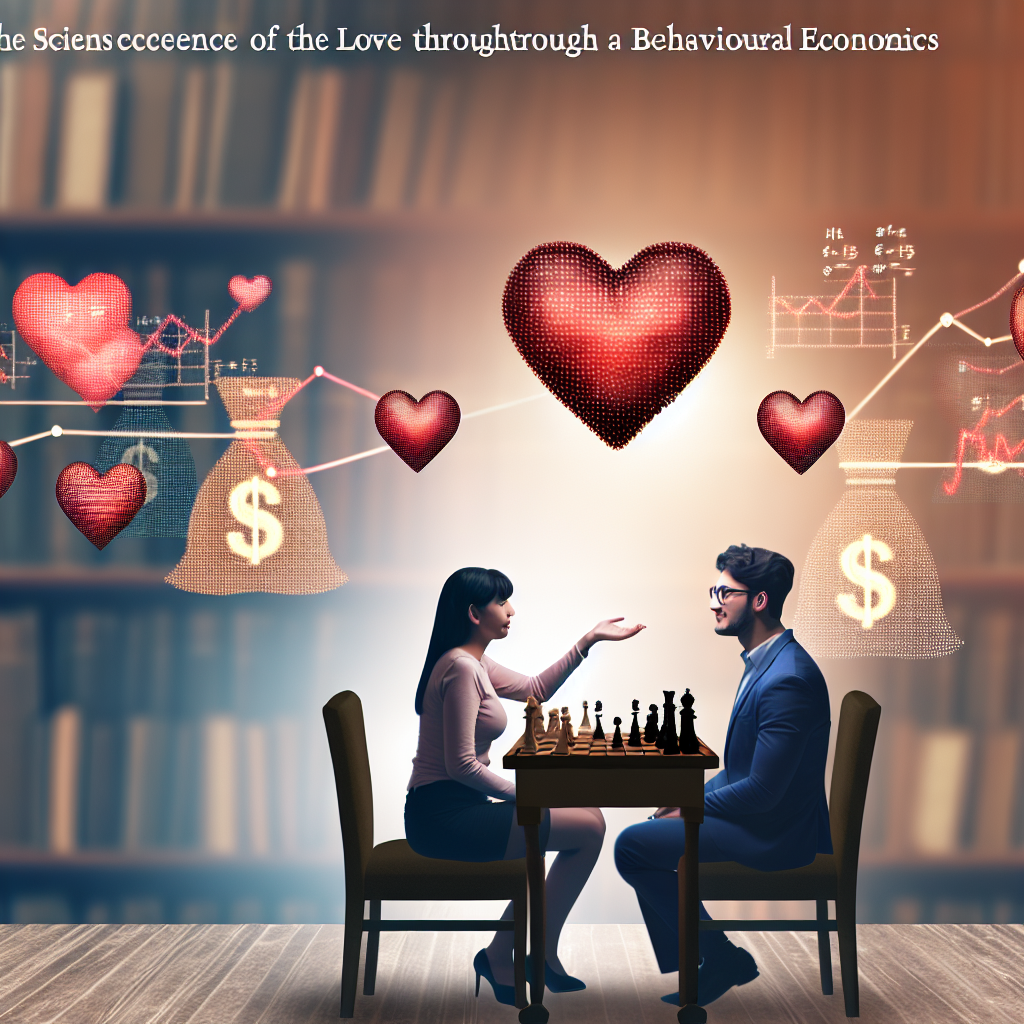
Navigating Relationship Equity: Balancing Ambition with Love in the Lives of High-Achieving Singles
Introduction
In today’s fast-paced world, the pursuit of personal and professional success often stands central in the lives of many individuals. High-achieving singles—those who relentlessly chase career milestones, educational achievements, or entrepreneurial pursuits—regularly face challenges weaving personal relationships into their dominant lifestyle narratives. Navigating relationship equity, or the ability to balance ambition with love, becomes crucial. This concept involves shared responsibility and mutual investment in partnerships, ensuring both personal goals and romantic relationships are valued and nurtured.
For singles aged 18 to 80s, the pressure to maintain an ambitious lifestyle while desiring deep connections creates a unique dynamic. Younger singles prioritize ambition over relationship-building, while mature singles may find integrating a partner difficult due to ingrained professional habits. Both ends share a common challenge: preventing personal growth from overshadowing the cultivation of romantic relationships.
The singular ambition of high-achievers can lead to difficulties in forming or maintaining romantic bonds. Partners may feel neglected due to career pursuits, creating potential conflict. High-achievers may hesitate to compromise on goals or independence, struggling with the idea of sacrificing autonomy for a partnership. Hence, relationship equity becomes paramount, emphasizing support, understanding, and shared goals, allowing both ambition and love to thrive.
Features
Research indicates that high-achieving individuals exhibit specific personality traits that influence their romantic relationships. According to a study published in the [Journal of Career Assessment](https://journals.sagepub.com/home/jca), ambitious individuals often exhibit qualities such as high conscientiousness, determination, and resilience. While favorable for professional success, these traits can also benefit personal relationships.
Professional success and relationship satisfaction can coexist when partners understand and appreciate each other’s ambitions. A [study from the Harvard Business Review](https://hbr.org) highlights supportive partnerships’ significance in promoting career success and personal happiness. Partners who celebrate victories and understand each other’s professional commitments build a stronger foundation for growth.
Moreover, medical research emphasizes mental health and stress management’s importance in maintaining relationship equity. The [American Psychological Association](https://www.apa.org) suggests chronic stress, often a byproduct of high ambition, can impede relationship health. Stress reduction techniques, such as mindfulness and open communication, empower high-achievers to balance personal and professional lives effectively.
Additionally, time management is crucial for high-achieving singles striving for relationship equity. A [study in the Journal of Marriage and Family](https://onlinelibrary.wiley.com/journal/17413729) found effective time management links to higher relationship satisfaction. High-achievers who manage time well can create space for meaningful interactions, enhancing relationship longevity and quality.
Conclusion
In summary, navigating relationship equity as a high-achieving single involves understanding the interplay between personal ambition and relationship needs. By leveraging traits such as conscientiousness, embracing supportive partnerships, mitigating stress, and refining time management skills, individuals can achieve a harmonious balance. This equilibrium enables career aspirations’ flourishing and romantic relationships’ enrichment, proving that love and ambition can coexist under one harmonious umbrella.
100 Word Summary:
Navigating relationship equity is crucial for high-achieving singles balancing ambition with love. This involves understanding the interplay between personal ambition and relationship needs, ensuring personal goals and romantic relationships are valued. High-achievers face challenges forming bonds due to career pursuits, potentially leading to partner neglect. However, by leveraging traits like conscientiousness, embracing supportive partnerships, managing stress, and refining time management, individuals can achieve a harmonious balance. This equilibrium enables the flourishing of career aspirations and enrichment of romantic relationships, affirming love and ambition can coexist under one harmonious umbrella.
References:
[Journal of Career Assessment](https://journals.sagepub.com/home/jca)
[Harvard Business Review](https://hbr.org)
[American Psychological Association](https://www.apa.org)
[Journal of Marriage and Family](https://onlinelibrary.wiley.com/journal/17413729)