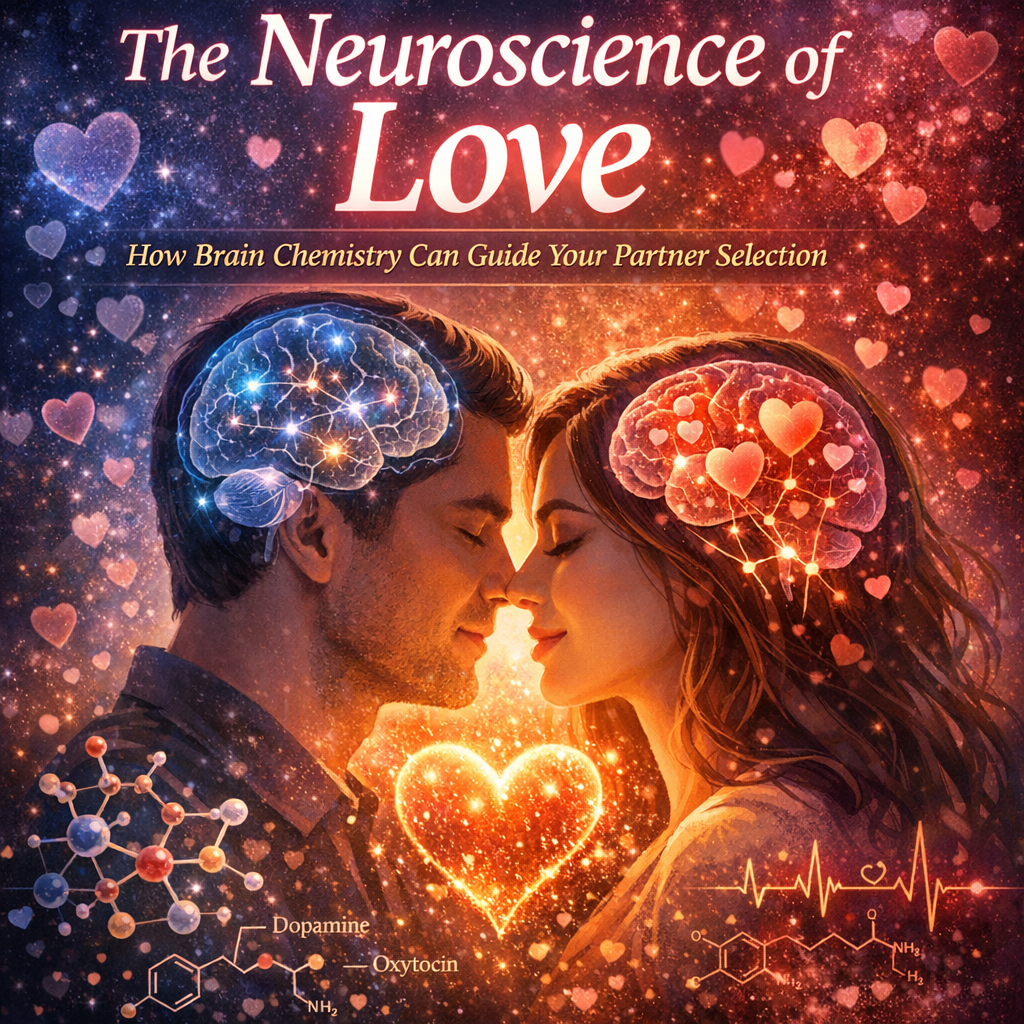
The Neuroscience of Love: How Brain Chemistry Can Guide Your Partner Selection
The Neuroscience of Love is a captivating field that uncovers how brain chemistry impacts partner selection. This exploration reveals the profound role of neurotransmitters and hormones like dopamine, oxytocin, serotonin, and endorphins in shaping our emotional and romantic responses. Dopamine, for example, is key to the brain’s ‘reward’ system, inducing feelings of pleasure and desire when you meet someone new. Meanwhile, serotonin levels can drop, potentially leading to obsessive thoughts reminiscent of Obsessive-Compulsive Disorder (OCD).
Though modern dating offers a vast array of choices, understanding these biochemical drivers can aid in more insightful partner selection. Dating platforms such as hitchme.com provide the venue for meeting potential partners, yet the ultimate connection might hinge on these invisible brain chemicals.
Features
Numerous studies have elucidated the connection between brain chemistry and romantic attraction. A groundbreaking study by Fisher, Aron, and Brown (2005) utilized fMRI to assess individuals newly in love. Increased activity was identified in the ventral tegmental area (VTA), crucial in the brain’s reward system, thus explaining the heightened pleasure experienced during early romantic phases. [Read the study](https://www.pnas.org/content/102/15/5337)
In addition, research published in Nature Neuroscience has highlighted oxytocin’s role beyond mere bonding. It enhances the brain’s reward signals, making social interactions more enjoyable and fostering relationship formation and maintenance. [Explore the findings](https://www.nature.com/articles/nn.3883)
A study in the Journal of Comparative Neurology demonstrated that serotonin significantly affects romantic focus, similar in behavior to those having OCD. [Learn more about the study](https://onlinelibrary.wiley.com/doi/abs/10.1002/cne.21043)
Moreover, researchers from Harvard University Medical School have emphasized the role of endorphins in emotional well-being, stress reduction, and resilience. These aspects are fundamental to developing deep, lasting love. [Visit Harvard’s research](https://neuro.hms.harvard.edu/harvard-md-phd-program)
These revelations offer a scientific lens on emotional experiences, aiding individuals in understanding their romantic inclinations and potential compatibility with partners.
Conclusion
The complex and fascinating science of love reveals how brain chemistry guides partner selection. Understanding this relationship empowers individuals to make more conscious dating decisions, enhancing emotional intelligence and fostering meaningful, lasting relationships.
Concise Summary:
The intriguing field of neuroscience uncovers how brain chemistry—specifically neurotransmitters like dopamine, oxytocin, serotonin, and endorphins—influences romantic attraction and partner selection. Key studies reveal heightened brain activity in early love, the bonding power of oxytocin, and the mood-stabilizing effects of endorphins. Recognizing these biochemical influences empowers singles to make informed dating choices, enhancing emotional intelligence and fostering more meaningful connections.