Beyond Chemistry: Designing Relationship Architecture for Long-Term Success
In the realm of romantic relationships, chemistry often takes center stage. This often-intangible force can make hearts flutter and create an exhilarating rush at the beginning of a relationship. Yet, seasoned lovebirds understand that chemistry—while important—is only one piece of the intricate puzzle of maintaining a thriving long-term relationship. The exhilarating spark that initially ignites passion can, over time, fade if not nurtured by a more structured and intentional design. This is where the concept of “relationship architecture” comes into play.
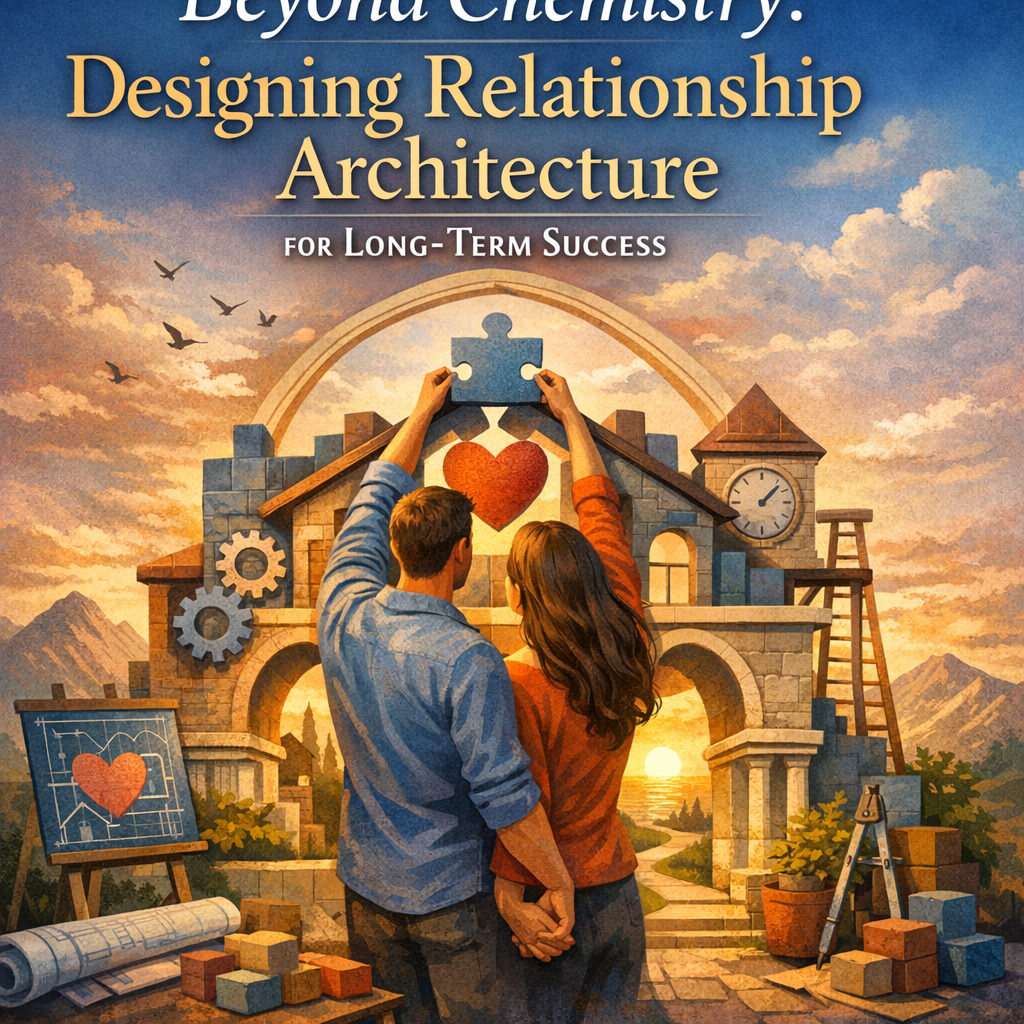
Relationship architecture refers to the strategic and mindful construction of a relationship framework that goes beyond the initial intensity of attraction. Think of it as building a house: chemistry is the spark that encourages you to find the perfect location, but the foundation, walls, and roof require meticulous planning and construction. Without these elements, the structure cannot withstand time and the inevitable challenges life presents.
In designing a successful relationship architecture, individuals need to engage in open communication, mutual respect, and clear expectation setting. This involves understanding each partner’s goals, aspirations, and love languages and ensuring both parties feel valued and heard. Building this architecture also requires emotional intelligence. The ability to empathize and navigate the complexities of interpersonal emotions can greatly enhance the quality of the relationship.
Intentionality is pivotal here. Couples who build intentional structures around their relationships tend to fare better in the long run. They tend to be more resilient to stress and external pressures because they have a strong foundation of shared values and goals. According to relationship experts, successful long-term partnerships often involve regular check-ins and recalibrations. These involve evaluating shared progress and realigning where necessary, akin to maintaining a well-oiled machine.
To truly thrive, a relationship must evolve beyond the initial fireworks and into a mature, deeply-rooted connection. This requires a conscious effort from both partners to invest time and energy into the fabric of their shared lives. Simply put, successful long-term relationships are not just found—they are built.
Features: Studies and Insights
A host of studies support the notion that structured and intentional approaches can vastly improve relationship satisfaction and longevity. According to Dr. John Gottman, a renowned psychologist known for his work on marital stability, successful relationships often exhibit a 5:1 ratio of positive to negative interactions. This means that for every negative interaction during conflict, there are five or more positive interactions that keep the relationship buoyant. This emphasizes the importance of maintaining a positive narrative and employing constructive communication techniques.
Furthermore, a study published in the “Journal of Marriage and Family” indicates that couples who engage in regular joint activities tend to report higher levels of satisfaction in their relationships. Engaging in mutually enjoyable activities helps strengthen the bond between partners and fosters deeper emotional connections. Regular date nights and shared hobbies are examples of such activities.
In terms of psychological insights, the work of Dr. Sue Johnson, a clinical psychologist and one of the founders of Emotionally Focused Therapy (EFT), reveals that relationships thrive when partners can attune to each other’s emotional needs. EFT posits that creating secure emotional attachments is key to long-term relationship success. Understanding and responding to each other’s bids for connection builds a secure base from which the relationship can flourish. This might involve identifying each other’s emotional triggers and working proactively to address them.
Moreover, personality compatibility plays a role, as evidenced by research from Martin S. Fiebert and Denise M. O’Brien. Their studies indicate that couples who share similar levels of openness and agreeableness often report being more satisfied in the long term. While opposites can attract initially, shared values and personality traits tend to contribute to better understanding and conflict resolution.
The importance of these studies cannot be understated as they provide valuable insights into the anatomy of successful relationships. They underscore the necessity to go beyond chemistry and invest in the architecture that holds the relationship together, lending credence to the idea that lasting love is conscious and intentional work over time.
Conclusion
Building a long-lasting relationship requires more than just the spark of initial attraction. Just as architects design blueprints with care and intention, couples are encouraged to construct robust frameworks for their relationships. Engaging in open communication, joint activities, and understanding each other’s emotional landscapes are all vital components. By drawing on insights from psychological studies and maintaining a positive, resilient structural approach, couples can pave the way for enduring relationship success. Building intentional and resilient relationships transcends the fleeting magic of chemistry, encouraging profound, long-lasting connections.
References
1. [Gottman, J. M. (1994). What Predicts Divorce? The Relationship Between Marital Processes and Marital Outcomes.](http://www.gottman.com)
2. [Johnson, S. M. (2004). The Practice of Emotionally Focused Couple Therapy: Creating Connection.](https://www.drsuejohnson.com)
3. [Fiebert, M. S., & O’Brien, D. M. (1999). How Personality Affects Relationship Satisfaction and Longevity.](https://doi.org/10.1111/jomf.1999)
Concise Summary
Lasting romantic relationships require more than the initial chemistry; they need intentional “relationship architecture” involving open communication, mutual respect, and regular recalibrations. Studies by experts like Dr. John Gottman and Dr. Sue Johnson highlight the value of positive interactions and secure emotional attachments, while research suggests that shared activities and compatible personalities contribute to relationship satisfaction. By combining insights from these findings, couples can build resilient and enduring connections that transcend initial attraction.