“`html
Beyond Deal-Breakers: Designing Your Relationship Blueprint for Lasting Success
When embarking on a new relationship, many singles often focus on identifying deal-breakers—those non-negotiable traits or behaviors that they will not tolerate in a partner. While knowing your deal-breakers is a crucial step in dating, it’s equally important to develop a positive blueprint for a lasting relationship. The secret to successful dating doesn’t solely lie in avoiding red flags but in proactively cultivating a relationship that thrives.
In today’s dynamic dating landscape, where singles from ages 18 to 80s seek connection, understanding how to design a relationship that encourages growth, mutual respect, and happiness is more vital than ever. Building a “relationship blueprint” allows singles to focus on what genuinely matters, setting a strong foundation for long-term satisfaction rather than just ticking boxes. But how do we transition from merely avoiding deal-breakers to creating a vibrant romance that stands the test of time?
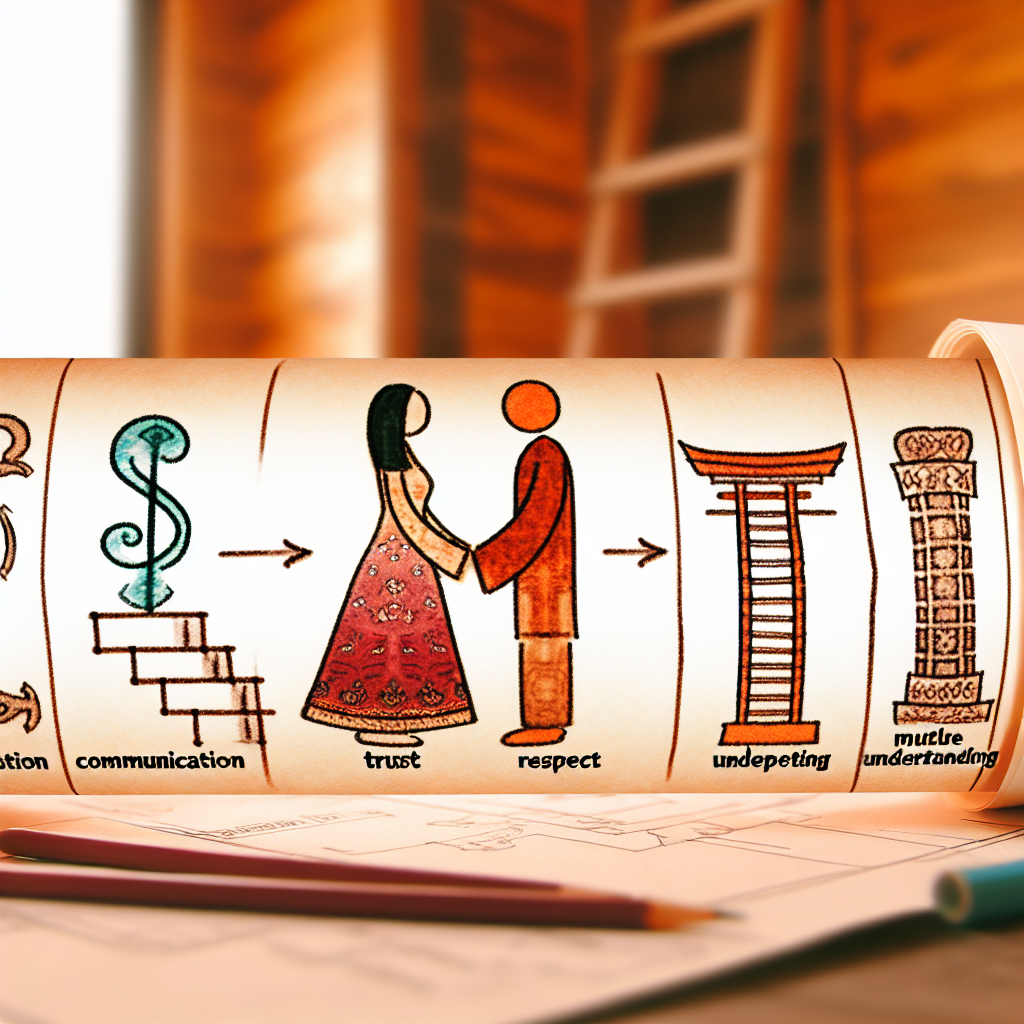
The concept of a relationship blueprint involves identifying core values and shared goals that foster cooperation and respect. Rather than relying on a checklist of negatives, singles are encouraged to focus on qualities that create a solid partnership. It’s a unique approach that goes beyond conventional dating wisdom by emphasizing personal responsibility, active communication, and continuous growth together. Adding more depth to this idea, consider the daily practices that nurture a relationship such as shared activities, maintaining individuality and space, and regular emotional check-ins to strengthen bonds.
Creating this blueprint requires introspection and understanding of both personal desires and partner compatibility. It calls for an alignment of life goals, emotional needs, and shared interests that can serve as the bedrock of a committed relationship. In doing so, singles don’t just seek a partner; they seek a co-creator in their life’s journey, ensuring longevity through conscious effort and intentional action. This involves consistently reassessing and adjusting the blueprint as the relationship evolves, allowing for a dynamic and responsive partnership.
Relationships require work, but if grounded in an effective and personalized blueprint, they are more likely to excel. By intentionally designing our romantic connections with foresight, we foster a climate where challenges are navigable, trust is nurturing, and love is enduring.
Insights from Studies on Relationship Success
Scientific research and professional studies provide substantial insights into how singles can construct a successful relationship blueprint. Groundbreaking work by psychologist John Gottman, for instance, has shed light on the importance of emotional intelligence, communication, and conflict resolution in couples’ longevity. Gottman’s studies revealed that the best predictors of success in long-term relationships are not just compliments and grand gestures but emotional responsiveness and deep-seated respect between partners (Emotionally Focused Therapy Institute).
Moreover, a study conducted by Stanford University highlighted the significance of shared values and goals in enduring relationships. The research emphasized that couples with aligned life principles reported greater satisfaction and emotional intimacy. This alignment serves as a pivotal element in constructing a romantic blueprint, where personal development and relationship dynamics align (Stanford Encyclopedia of Philosophy).
Medical experts also emphasize the importance of mental health and self-awareness in romantic partnerships. A study by the American Psychological Association found that individuals who understand their mental and emotional needs better are more likely to cultivate supportive and satisfying romantic interactions. This highlights the necessity of self-awareness as a cornerstone in your relationship design.
Furthermore, the science of attachment theory plays a significant role in blueprint creation. Understanding attachment styles—secure, anxious, or avoidant—helps singles identify their relational habits and needs. Research indicates that when partners grasp each other’s attachment styles, they can tailor their interactions to mitigate conflict and enhance connectivity (Scientific American).
Conclusion
Designing your relationship blueprint for lasting success involves more than steering clear of deal-breakers. It requires a proactive approach rooted in emotional intelligence, aligned values, and self-awareness. Through leveraging insights from scientific and psychology studies, singles can create meaningful relationships built on understanding, mutual goals, and continuous personal growth. Embrace the vision of a well-crafted romantic alliance, and watch your love story unfold with grace and longevity.
Concise Summary
Developing a relationship blueprint transcends the idea of avoiding deal-breakers and involves cultivating relationships based on emotional intelligence, shared values, and self-awareness. By focusing on growth-oriented qualities, mutual respect, and aligned goals, singles can design connections that promote longevity and satisfaction. Leveraging research from experts like John Gottman and insights into attachment styles, the blueprint encourages personal responsibility and proactive engagement in fostering enduring romantic partnerships.
“`