Cultivating a Partnership Mindset: Shifting from Transactional Dating to Collaborative Relationship Building
Introduction
In today’s rapidly evolving dating landscape, singles—from those in their 20s to their 80s—are navigating a world transformed by dating apps, cultural shifts, and redefined gender roles. While technology has broadened opportunities for connection, it has also intensified the prevalence of transactional dating. In this approach, relationships are seen as exchanges where individuals seek emotional fulfillment, financial support, social credibility, or physical gratification without investing in long-term outcomes.
This mindset often cultivates conditional attachments and emotional exhaustion, favoring superficial traits over authentic compatibility. The result? A cycle of unsatisfying connections and diminished trust in the dating process.
Imagine replacing that with a partnership mindset. This model emphasizes mutual respect, shared experiences, emotional intelligence, and personal growth. Instead of “What can I get?”, it asks, “What can we build together?” It prioritizes connection, trust, and emotional health—core ingredients for meaningful relationships.
From millennials exploring love for the first time to baby boomers pursuing companionship after major life transitions, adopting a partnership-oriented approach supports stronger, more enduring connections. It doesn’t eliminate independence or romantic spontaneity; rather, it enhances intentionality, curiosity, and empathy—laying the foundation for emotional intimacy and relational resilience.
Expanding the Idea of Partnership
A partnership-based relationship is more than just mutual interests or physical attraction. It involves treating your romantic partner as a teammate, someone with whom you’re charting a shared life course. This means developing skills like active listening, conflict resolution, and emotional regulation. It’s about being accountable—not just for the relationship’s success, but also for your own personal growth within it.
In this model, disagreements are no longer battles to be won but opportunities to understand and support each other better. Time spent together isn’t just for entertainment; it becomes fertile ground for deepening intimacy and building trust.
For those who have felt burned out by superficial dating dynamics, embracing a partnership approach can be profoundly healing. It refocuses attention on the process of connection rather than a checklist of outcomes.
Studies and Professional Perspectives Supporting a Partnership Mindset
The idea of transitioning from transactional relationships to collaborative partnerships isn’t just romantic idealism—it’s firmly grounded in psychological research.
One of the leading voices in this space, Dr. John Gottman of The Gottman Institute, emphasizes that emotional responsiveness and collaborative communication are the most reliable predictors of long-term relational success. His “Sound Relationship House” model places trust, commitment, and shared meaning as the foundation of thriving relationships. These qualities are cultivated through healthy communication, emotional availability, and mutual respect—not through transactional thinking.
Supporting these findings, a 2019 study in the Journal of Social and Personal Relationships found that couples who saw their relationship as a “shared project” consistently reported greater happiness and resilience during conflicts. When partners see themselves as being on the same team, their ability to navigate challenges and grow stronger together increases significantly.
Attachment theory also backs this approach. According to Mikulincer and Shaver’s research on adult attachment, people with secure attachment styles naturally engage in more partnership-oriented behavior. They seek to build reciprocal, nourishing relationships marked by trust, vulnerability, and authentic communication. Conversely, those with anxious or avoidant attachment styles often fall into transactional patterns driven by fear, control, or conditional giving.
Additionally, social neuroscience supports this mindset. Studies reveal that the brain’s reward centers are activated more strongly when people engage in supportive, cooperative behavior rather than manipulative or self-serving acts. In other words, our brains are wired for mutual support—not emotional negotiations.
Lastly, clinical psychologist Dr. Alexandra Solomon emphasizes the necessity of relational self-awareness, which involves understanding our emotional needs, communication styles, boundaries, and triggers. This awareness is crucial in building compassionate, intentional, and enduring relationships.
Altogether, these findings paint a clear picture: relationship quality thrives when built on a foundation of collaboration, understanding, and shared goals—not transactional exchanges or rigid expectations.
Practical Shifts Toward a Partnership Mindset
So how can singles begin introducing these shifts into their dating lives?
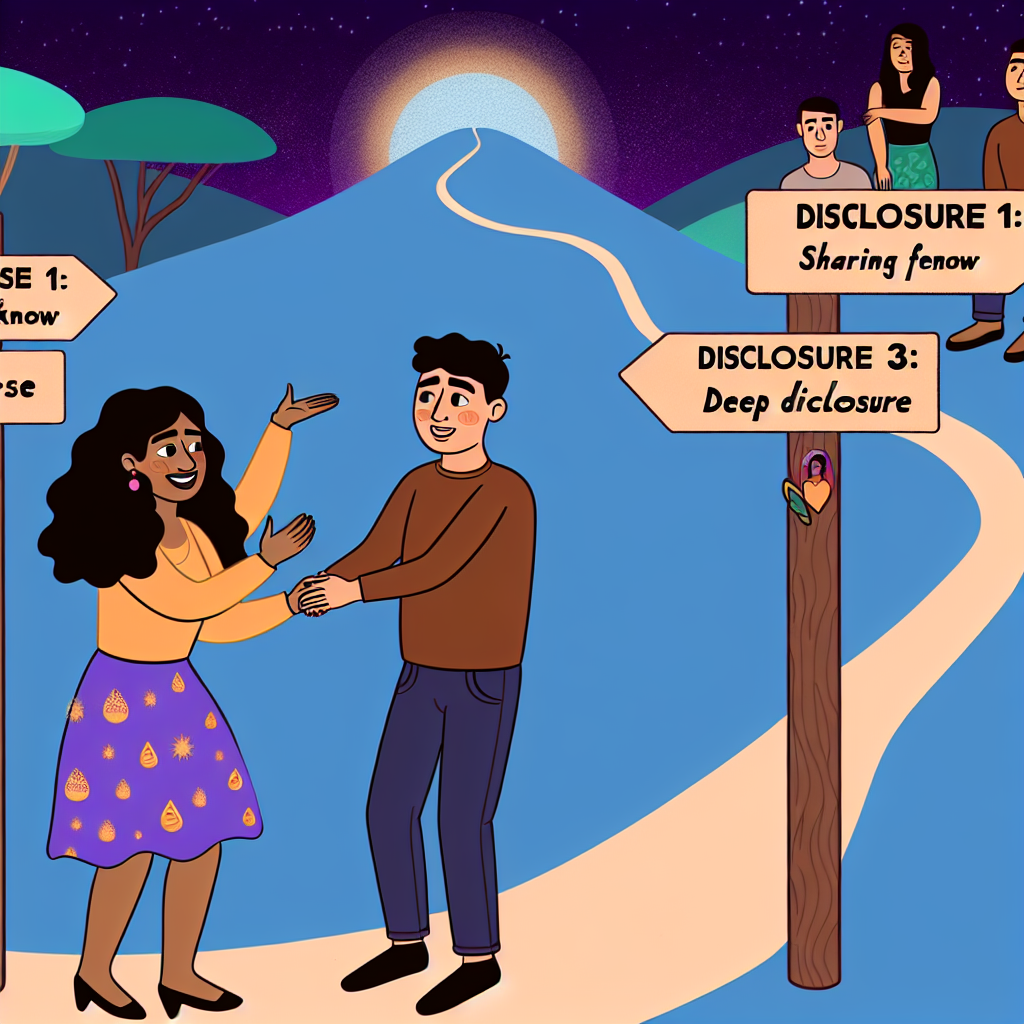
1. Clarify Your Intentions: Whether online or offline, date with honest goals. Know what you’re looking for—and communicate it early—so both people can move forward with transparency.
2. Invest in Emotional Intelligence: Learn how to express feelings constructively, manage conflict, and stay attuned to your partner’s needs. Consider reading or listening to relationship psychology content to build your toolkit.
3. Explore Shared Values: Move beyond superficial topics. Discuss life philosophies, lifestyle preferences, family relationships, and future pathways to assess long-term compatibility.
4. Practice Empathy over Evaluation: Rather than measuring a partner’s “worth” by status or success, try to understand their emotional world. This promotes compassionate relating over performance-based judgment.
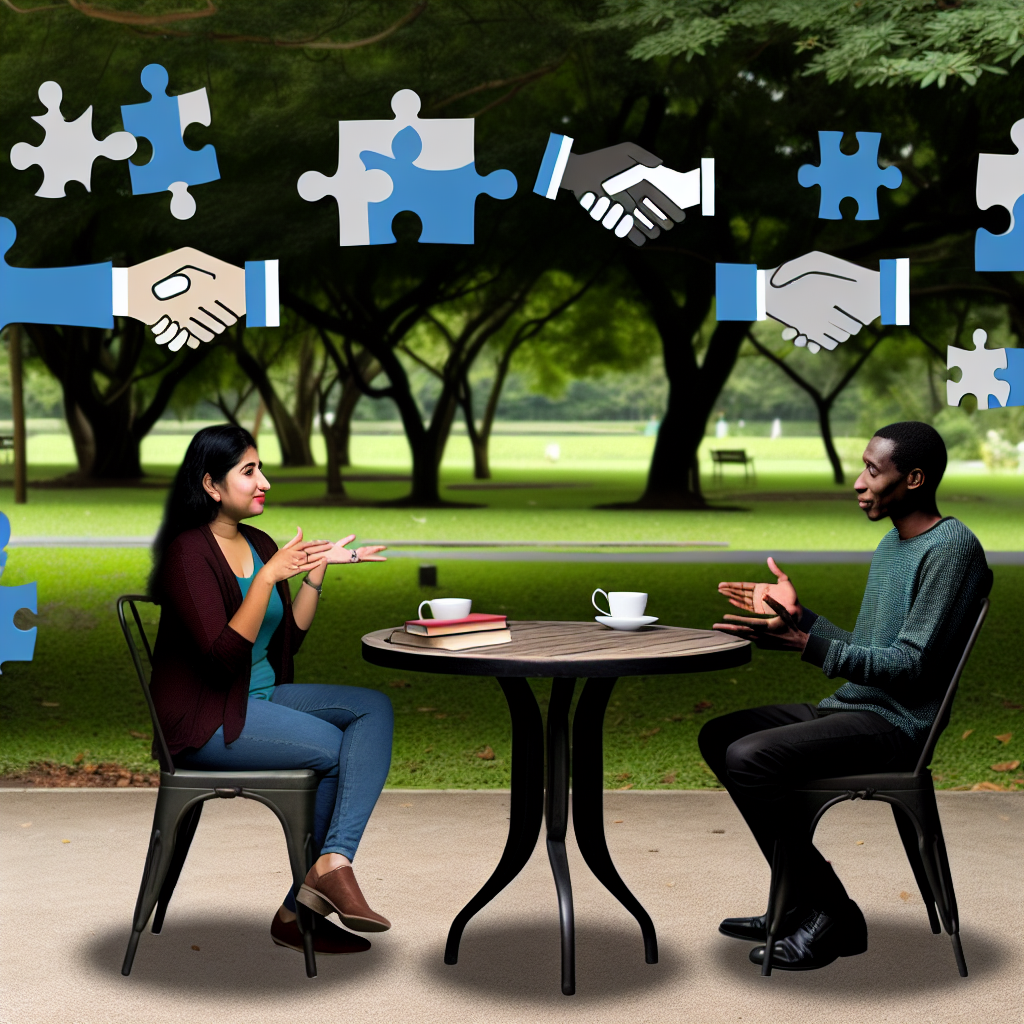
5. View Conflict as Collaborative: Every disagreement is an opportunity to co-create solutions, reinforce trust, and deepen intimacy. Approach arguments as joint ventures rather than points of competition.
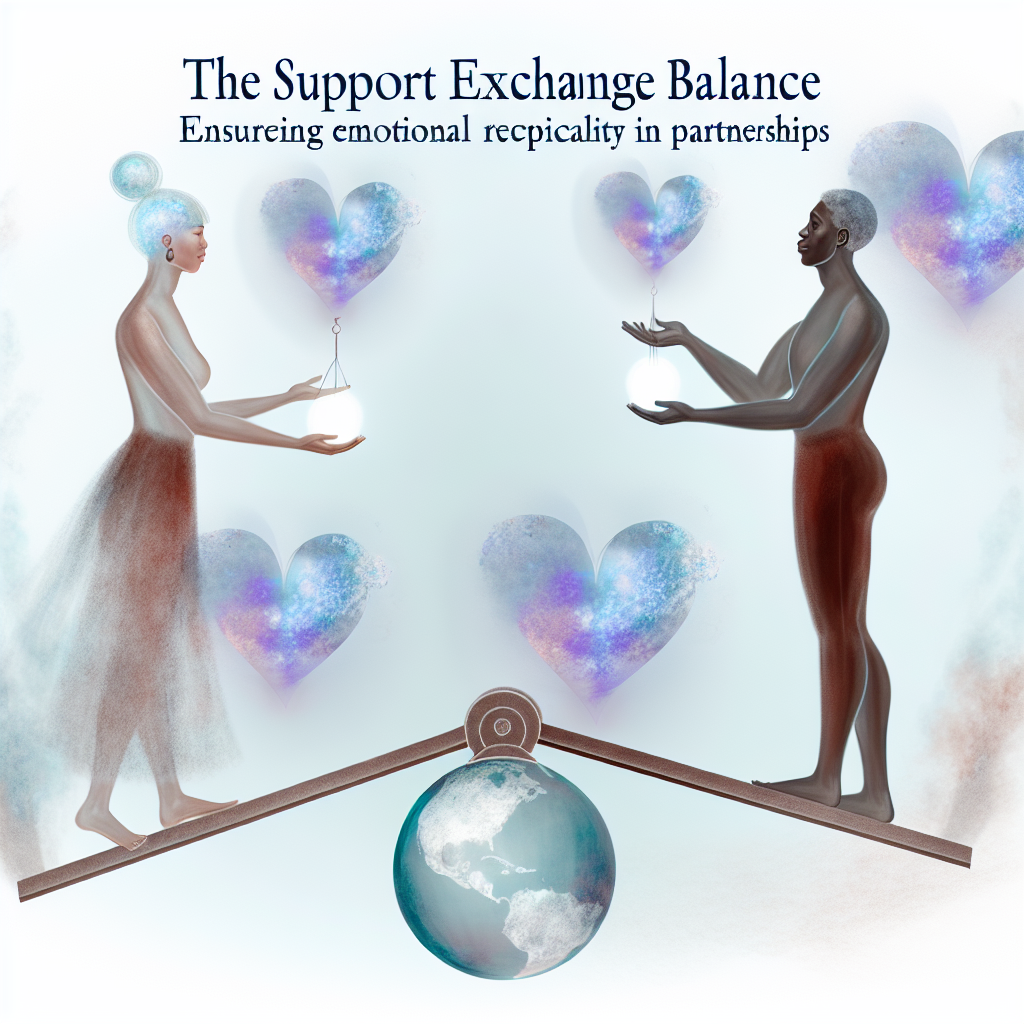
6. Focus on Giving, not Just Getting: Make efforts to support your partner’s growth, goals, and well-being—just as they should for you. Mutual generosity creates the emotional glue needed for lasting love.
Conclusion
Shifting from a transactional dating approach to a partnership mindset may not happen overnight, but the rewards are significant. It invites deeper connection, emotional resilience, and a sense of relational purpose—regardless of life stage.
Whether you’re 25 or 65, new to dating or reentering the scene, choosing collaboration over exchange can be a game-changer. In a world often driven by instant gratification and superficial swiping, choosing to build rather than barter is not only revolutionary—it’s transformative.
Concise Summary
The article explores how modern dating often defaults to a transactional mindset, where love becomes an exchange of validation, resources, or attention. It proposes a shift toward a partnership-based approach where dating involves mutual respect, emotional intelligence, and shared growth. Backed by psychological and neuroscience research—from experts like Dr. John Gottman and Dr. Alexandra Solomon—the piece outlines how collaboration fosters deeper, more resilient relationships. It provides actionable tips like dating with intention, cultivating empathy, and focusing on shared values. The partnership mindset isn’t just idealistic—it’s evidence-based and emotionally fulfilling across all ages and experiences.
References
– The Sound Relationship House Theory – The Gottman Institute
– Dr. Alexandra Solomon – Loving Bravely
– Commitment as a Buffer – Journal of Social and Personal Relationships
– Attachment in Adulthood – Mikulincer & Shaver
– Romantic Love as Attachment Process – Hazan & Shaver

Dominic E. is a passionate filmmaker navigating the exciting intersection of art and science. By day, he delves into the complexities of the human body as a full-time medical writer, meticulously translating intricate medical concepts into accessible and engaging narratives. By night, he explores the boundless realm of cinematic storytelling, crafting narratives that evoke emotion and challenge perspectives. Film Student and Full-time Medical Writer for ContentVendor.com