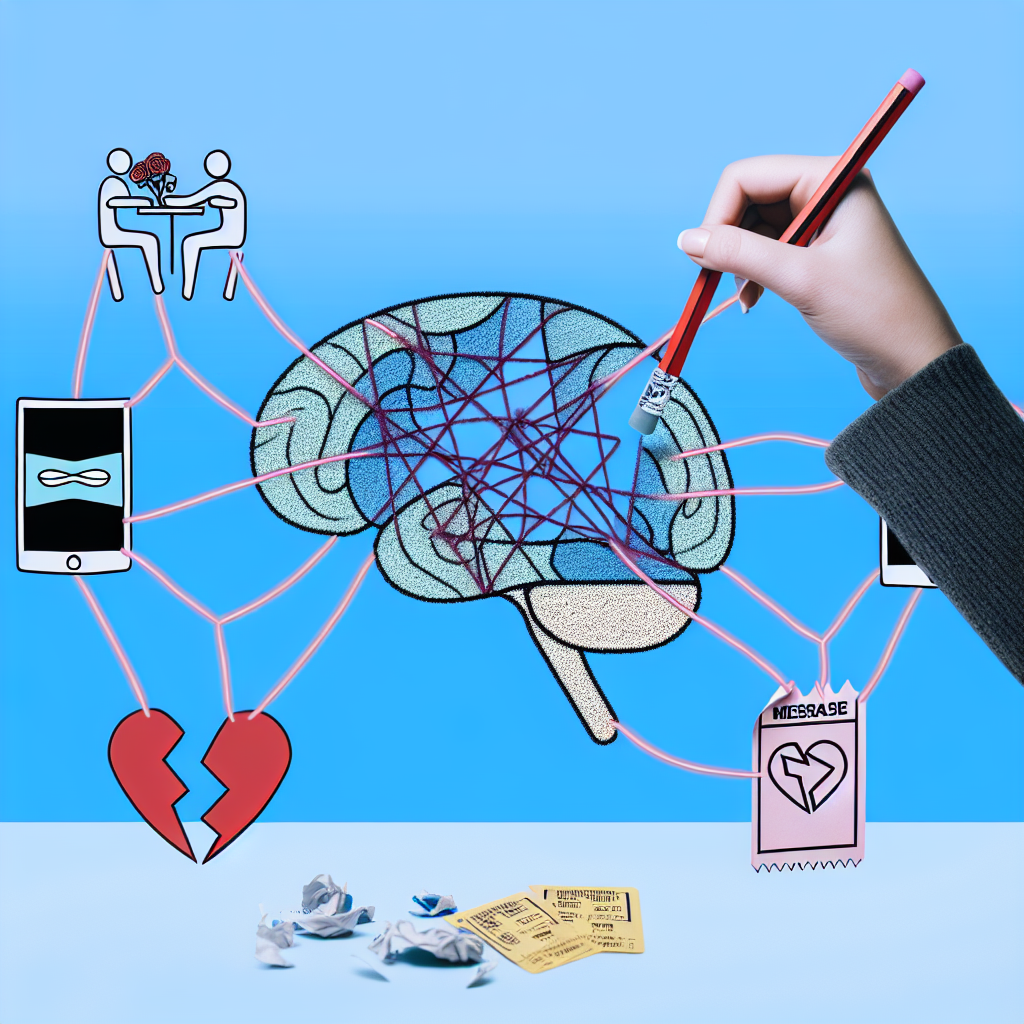
Deconstructing ‘The One’: Why High-Achievers Should Reimagine The Soulmate Concept for Lasting Love
In a world that celebrates high achievement and personal success, the romantic notion of finding a soulmate can often feel like a daunting, if not impossible, ideal. High achievers, with their schedules filled to bursting with professional commitments and personal goals, are no strangers to the pressure of perfecting every aspect of their lives, including relationships. This expectation often extends to the belief in “The One”—a concept steeped in destiny that suggests there is a single perfect person out there for everyone.
However, the pursuit of this elusive soulmate can hamper one’s ability to engage in healthy and realistic relationship dynamics. High achievers, much like their peers, often fall prey to the belief that there is a perfect match who will seamlessly fit into every facet of their lives. When confronted with imperfections or challenges in relationships, the immediate impulse can be to assume these differences signify a union with someone who is not “The One.”
The problem with this concept lies in its oversimplification of human connection. Love is not a passive experience that happens when two souls are cosmically drawn together. Instead, it’s an active process that requires intention, compromise, and constant communication. High achievers, known for their ability to strategize and persevere in their careers, can leverage these same skills for more grounded and fulfilling relationships. In acknowledging that even the most successful romances involve compromise and growth, individuals can move beyond the limitations of the soulmate myth.
A shift in perspective allows high achievers to approach relationships not as an all-or-nothing gamble but as an enriching journey of discovery. This reimagining of love emphasizes the importance of personal growth, aligning with career achievements that often demand similar lifelong learning and flexibility. By discarding the limiting belief in a predestined perfect partner, high achievers can open themselves up to a more nuanced understanding of love—one that acknowledges imperfections and thrives in diversity.
Features
The notion of “The One” can seemingly promise an end to loneliness and challenges, drawing on widespread cultural narratives that tell us love should be effortless when it is “meant to be.” However, studies in relationship psychology suggest that this belief might be more myth than reality.
A study published in the [Journal of Experimental Social Psychology](https://www.sciencedirect.com/journal/journal-of-experimental-social-psychology) deconstructs the idea of destined love, emphasizing the importance of growth belief. This study suggests that couples who believe in the potential for growth within the relationship report higher satisfaction. Rather than seeking a predestined partner who fits perfectly, they focus on developing themselves and their relationships over time, leading to deeper emotional connections and longevity.
High achievers, who are often trained to tackle challenges and develop resilience in their careers, can translate these skills into their romantic lives. By acknowledging the transformative power of relationships, these individuals can develop a more realistic and holistic understanding of partnership. According to the [Harvard Study of Adult Development](https://news.harvard.edu/gazette/story/2017/04/over-nearly-80-years-harvard-study-has-been-showing-how-to-live-a-healthy-and-happy-life/), which has tracked the lives of its participants for over 80 years, one of the key indicators of happiness is the strength of relationships, more than wealth or fame.
Furthermore, the field of neurobiology offers insights into how our brains process love and attachment. The human brain experiences chemical reactions during courtship and bonding that are akin to drug addiction, as noted by a study published in the [Nature Reviews Neuroscience](https://www.nature.com/nrn/). The natural highs of the initial phases of a relationship can overshadow recognition of the essential growth that forms the core of long-term connection. This scientific understanding reaffirms that genuine love shifts from infatuation to a deep-seated bond that emerges from understanding, empathy, and continuous effort.
In essence, love for high achievers should move beyond the limited, albeit romantic, concept of a soulmate. Embracing imperfection and recognizing the need for continual growth allow these individuals to build strong, enduring partnerships. This aligns with their broader life philosophy: excellence through effort, rather than mythic perfection.
Conclusion
Reimagining the soulmate concept provides high achievers with a practical framework for lasting love. By applying the same dedication, adaptability, and recognition of growth that drives career success, they can foster deeper, more rewarding relationships. True love, after all, is less about fate and more about the shared journey of growth and adaptation with another person—a path well-suited to those who are accustomed to reaching for the stars.
Concise Summary
In a high-achievement-driven world, the soulmate ideal can feel unattainable, potentially hindering realistic relationship growth. High achievers often expect a perfect partner who fits seamlessly into their lives. However, reimagining this concept encourages embracing imperfection and focusing on growth and adaptability. Studies in psychology and neurobiology emphasize that successful relationships involve mutual growth and effort. By leveraging their career resilience and adaptability, high achievers can cultivate enduring partnerships, viewing love as an enriching journey of growth rather than a quest for a predestined “One.”