Certainly, here is the reformatted content based on your requirements:
Embracing Uncertainty: Designing Dates Around Adaptability Rather Than Perfection
Introduction
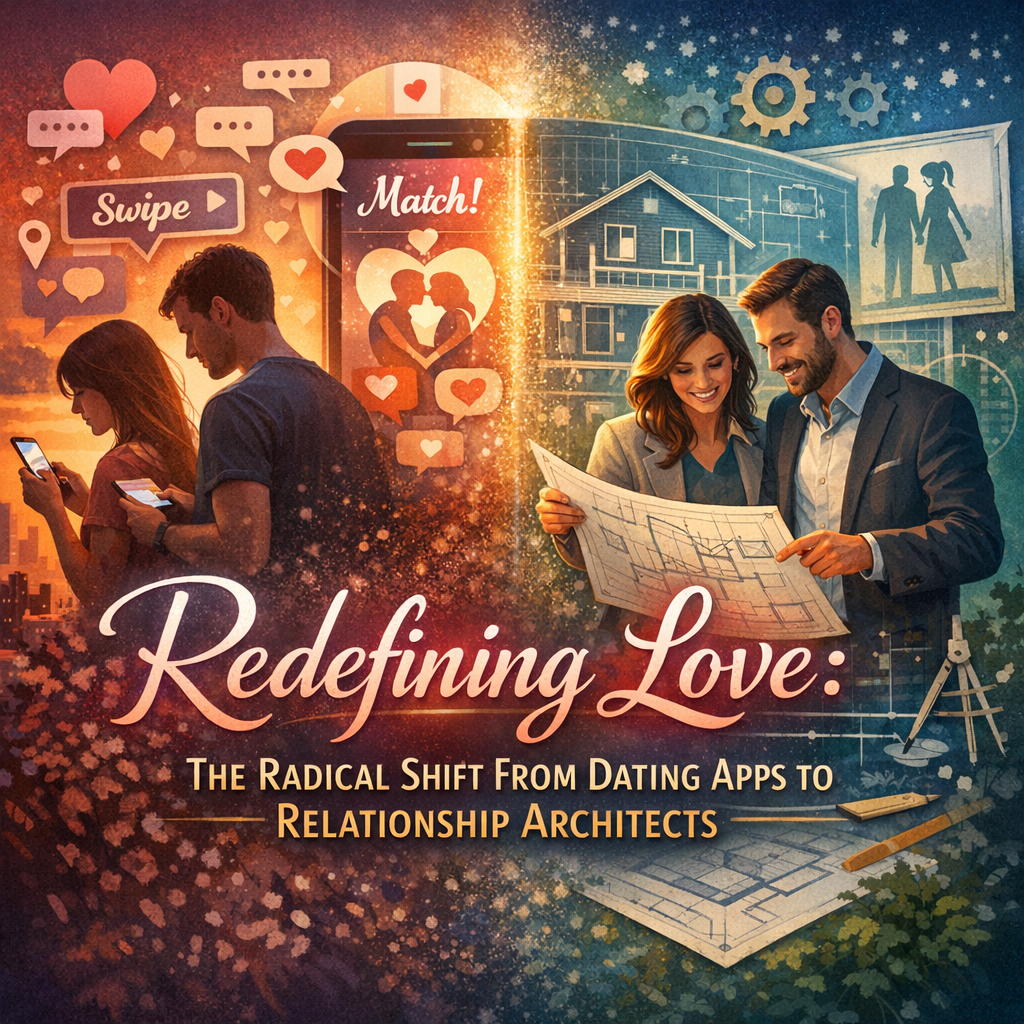
In the realm of dating, where first impressions carry substantial weight, the pursuit of a perfect date can often lead to unnecessary stress and anxiety. The pressure to curate a flawless experience often diverts attention from the more enjoyable and genuine aspects of connecting with another person. In a world saturated with dating apps, swiping left and right, and endless algorithms trying to match us with our ideal partners, the emphasis has often been on orchestrating perfect dates that adhere to a standard formula or checklist. However, there is an emerging trend encouraging singles to shift their focus towards adaptability, embracing the unexpected rather than being confined by perfection.
At its core, dating is an exploration — of others and ourselves — and explorations by nature involve the unknown. The magic often happens in the moments we least expect; when things don’t go as planned. These spontaneous instances provide unique opportunities to bond over shared surprises and challenges, creating authentic connections. This adaptability not only alleviates the pressure to create an idyllic experience but fosters a sense of adventure and openness. By reducing the fear of failure and letting go of rigid expectations, singles can invest in moments that reflect genuine personalities and mutual growth.
Expand content:
Embracing uncertainty also encourages a mindset shift from viewing dating mishaps as failures to seeing them as opportunities for humor and connection. The moments where plans go awry can be turned into charming and memorable tales that deepen relational bonds.
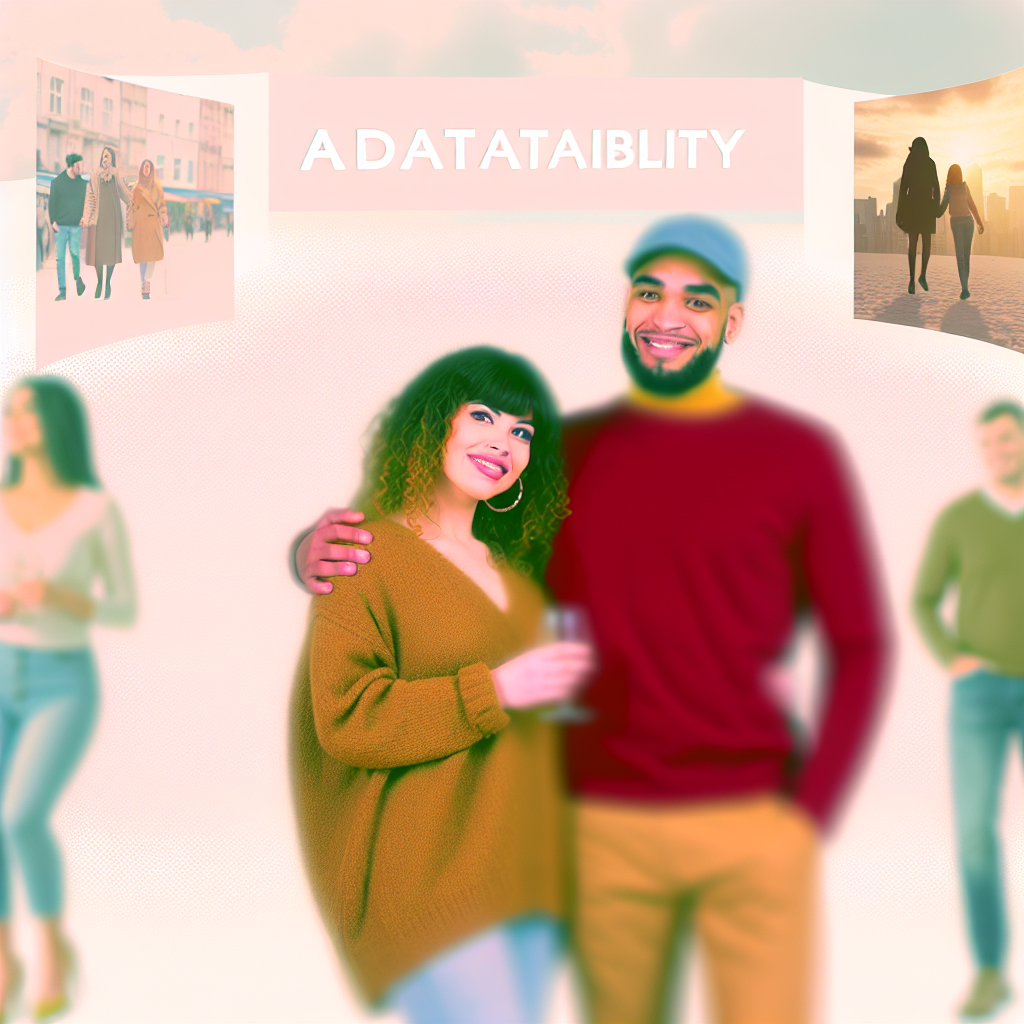
Embracing uncertainty in dating involves designing experiences that are flexible, allowing for real-time adjustments and reflections. Instead of meticulously orchestrated scenarios, think outdoor picnics where a surprise rain shower leads to dancing in the rain, or a cooking class where a burnt dish becomes a shared joke rather than a failed attempt. It’s about focusing on the journey and how both participants respond to unpredictability with humor and grace. This approach not only liberates singles from the shackles of perfectionism but invites meaningful conversations and deep connections that stem from shared adaptability.
Features
Research shows that adaptability, especially in social interactions, is associated with improved relational outcomes. A study published in the [Journal of Personality and Social Psychology](https://www.apa.org/pubs/journals/psp) highlights that individuals who exhibit flexibility and open-mindedness tend to have better relationship satisfaction. This adaptability allows for more honest and open communication, which is crucial in the early stages of dating where two people are often negotiating their compatibility and preferences.
Moreover, a report by the [National Library of Medicine](https://www.ncbi.nlm.nih.gov/pmc/articles/PMC4375971/) discusses how stress can be a significant barrier to forming new relationships. When singles pressure themselves to conform to an ideal of what a date should look like, it not only heightens anxiety but also clouds their ability to be present and authentically engaged with their partner. Dancing in the rain seems far more inviting when it replaces a dinner disaster as an impromptu highlight rather than a replacement.
Adaptive dating, focusing on fluid and open-ended experiences, encourages couples to respond to each other’s styles and preferences dynamically. This flexibility fosters emotional intelligence, as outlined in Daniel Goleman’s renowned work on the subject, which is fundamental in understanding and navigating interpersonal dynamics. It resonates with the realities of life itself — unpredictable and yet, beautifully multifaceted.
Expand content:
Adaptive dating helps individuals to appreciate personalities rather than preplanned scenarios. Learning to embrace moments as they unfold cultivates a depth in relationships, where both partners can reflect on their responses and adapt to varying situations.
Additionally, psychology suggests that adaptability fosters resilience, aiding individuals in coping more effectively with unexpected changes. This trait, nurtured within the context of dating, not only enhances personal growth but also strengthens relational bonds. When two people confront unforeseen difficulties together, whether with humor or ingenuity, it creates a narrative of overcoming together, an intimacy-enhancing experience in itself.
Conclusion
Embracing uncertainty in dating — designing experiences rooted in adaptability rather than the pursuit of perfection — can transform dating into a liberating and enriching venture. By valuing the journey over the destination, singles can discover the joy of shared spontaneity, leading to profound connections built on genuine interactions. So, whether you’re planning your next date or simply setting the stage for potential happenings, remember to leave room for the unplanned; you might find that the most unforgettable love stories are those that write themselves in the moment.
Concise Summary:
Navigating the dating landscape with an embrace of uncertainty and adaptability over perfection can reduce anxiety and foster a richer connection. Focusing on adaptability allows for genuine interaction and creates memorable, spontaneous experiences that enhance relational bonds. Research supports that adaptability aids in improved communication, relationship satisfaction, and stress reduction, further enriching the dating experience. Recognizing dating as an exploration encourages singles to value fluid and dynamic experiences, ensuring that relationships are built on authentic interactions rather than orchestrated perfection.