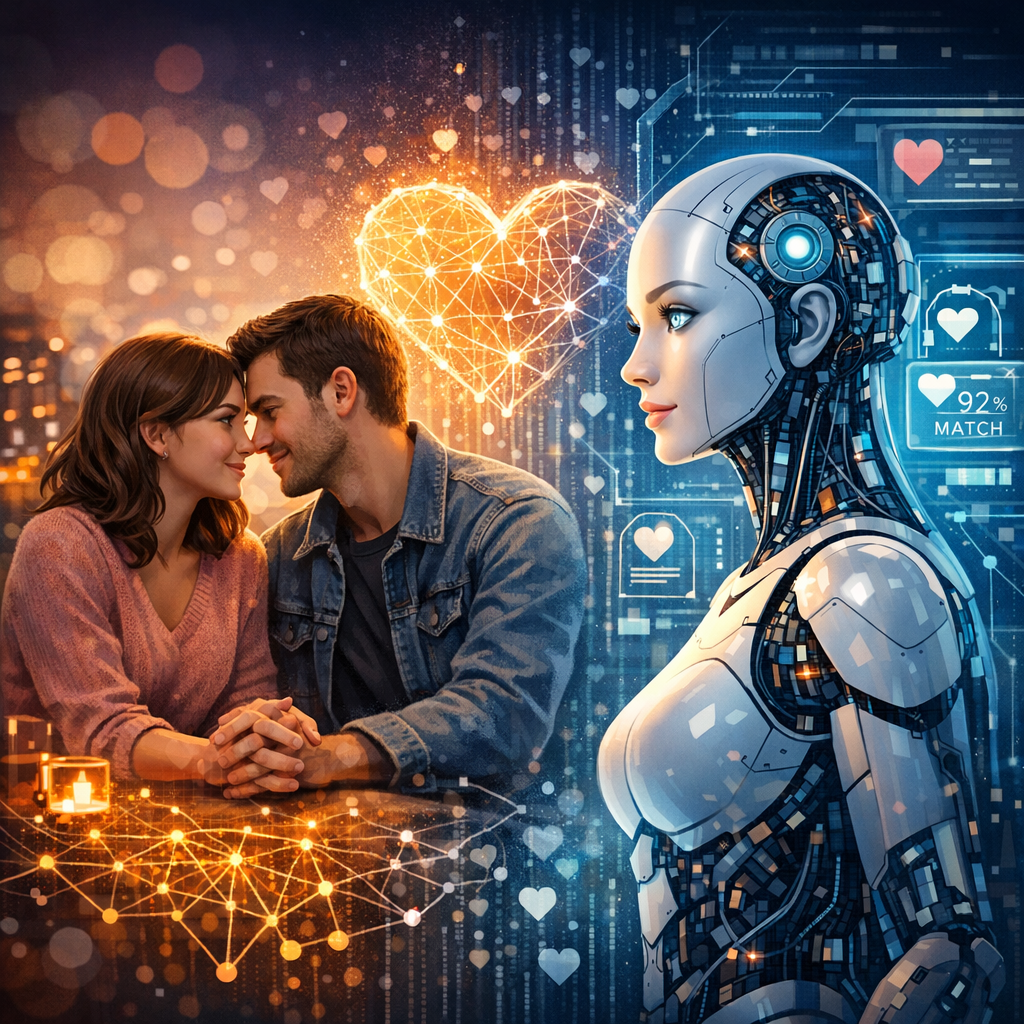
Navigating Love in the Age of AI: Relationship Algorithms and Human Connection
In the past decade, the realm of dating and matchmaking has undergone a transformative shift, heavily influenced by the advancement of artificial intelligence (AI) and algorithms. Gone are the days when romance was simply a matter of serendipitous encounters and mutual attractions. Today, modern singles, from millennials to baby boomers, have access to a plethora of dating platforms powered by sophisticated technologies designed to streamline the search for love. These digital tools offer unprecedented opportunities to find compatible partners but also pose new challenges in preserving genuine human connections.
AI-driven algorithms have revolutionized online dating by analyzing vast datasets to predict compatibility and suggest potentially successful matches. These algorithms consider a variety of factors, from personality traits and preferences to demographic information and user behavior. With this technology, daters can experience a curated version of the dating pool, tailored to their specific desires and needs. At their best, these algorithms remove much of the friction traditionally associated with dating, saving time and enhancing the chances of finding meaningful relationships.
However, as AI plays a more prominent role in matchmaking, concerns about its implications on authentic human interaction arise. Critics argue that reliance on algorithms can lead to superficial connections, where potential partners are reduced to data points and compatibility scores. The human elements of spontaneity and emotional intuition may be overshadowed by an overemphasis on measurable criteria, thus impacting the depth and quality of relationships. Furthermore, as AI models continue to evolve and learn from user interactions, questions regarding privacy, bias, and ethical considerations persist.
Despite these concerns, there is no denying the profound influence of AI on the dating landscape. As we navigate this digital age of romance, it becomes increasingly important to strike a balance between leveraging technological advancements and nurturing genuine human connections. Understanding how these algorithms work and what role they play in our love lives can empower singles across all age ranges to make informed decisions about their dating experiences.
Features: Insights from Studies and Research
Various studies have begun to shed light on the complex interplay between AI-driven matchmaking and human relationships. According to a [study published by Stanford University](https://www.stanford.edu), algorithms in dating apps have been found to significantly enhance the likelihood of finding compatible partners, with a remarkable increase in relationship satisfaction compared to traditional dating methods. This research indicates that, when used appropriately, AI can serve as a powerful facilitator of meaningful connections, offering users accessible pathways to emotional fulfillment.
Moreover, a comprehensive [report by the Pew Research Center](https://www.pewresearch.org) highlights the increasing reliance on online dating platforms, revealing that a considerable percentage of adults, ranging from young singles to seniors, have successfully used these platforms to find romantic partners. The report emphasizes the growing acceptance of AI as a legitimate tool for matchmaking, demonstrating its widespread impact on modern romantic interactions.
In the realm of psychological insights, a study from the [Journal of Social and Personal Relationships](https://journals.sagepub.com/home/spr) explored how algorithm-based dating affects self-presentation. The findings suggest that users often tailor their profiles to align with the perceived preferences of algorithms, leading to a form of strategic self-disclosure. While this can improve the chances of matching with compatible partners, it raises questions about authenticity and the pressure to conform to algorithmic expectations.
The ethical implications of dating algorithms have also been a subject of academic inquiry. A publication by the [Harvard Business Review](https://hbr.org) discusses the potential biases inherent in AI models, where algorithms may inadvertently reinforce societal prejudices by replicating historical data patterns. This issue underscores the need for transparency and accountability in the development and deployment of relationship algorithms to ensure equitable and unbiased matchmaking experiences.
Conclusion
The integration of AI into the dating world presents both exciting opportunities and complex challenges. As singles across all age groups embrace this technological frontier, it’s essential to remain mindful of the human element in relationships. By approaching AI with a critical eye and a willingness to adapt, individuals can harness the benefits of relationship algorithms while preserving the authenticity and depth of human connection. With this balanced perspective, navigating love in the age of AI may lead to transformative and enriching experiences for all.
Concise Summary
The integration of AI into the dating landscape has reshaped matchmaking, offering precise compatibility predictions and saving time for singles from different age groups. Studies, such as those from Stanford University and the Pew Research Center, underscore the positive impact of these algorithms. However, challenges like authenticity, bias, and privacy loom large. As dating evolves digitally, balancing technological advancements with genuine human connection remains vital, ensuring enriching and meaningful romantic interactions. By understanding these dynamics, individuals can make informed dating choices that embrace technology while valuing spontaneous, emotional bonds.