The Analog First Date Experiment: Designing a Phone-Free, Activity-Based Meeting to Foster Genuine Presence
Introduction
In an age immersed in constant digital interaction, from endless messaging to scrolling through dating apps, the traditional **first date** has undergone a transformation. Gone are the days where daters engaged in uninterrupted conversations over coffee; now, it’s not uncommon to text each other across the table. Amid this cultural shift, many are yearning for something more authentic, more grounded—more human.
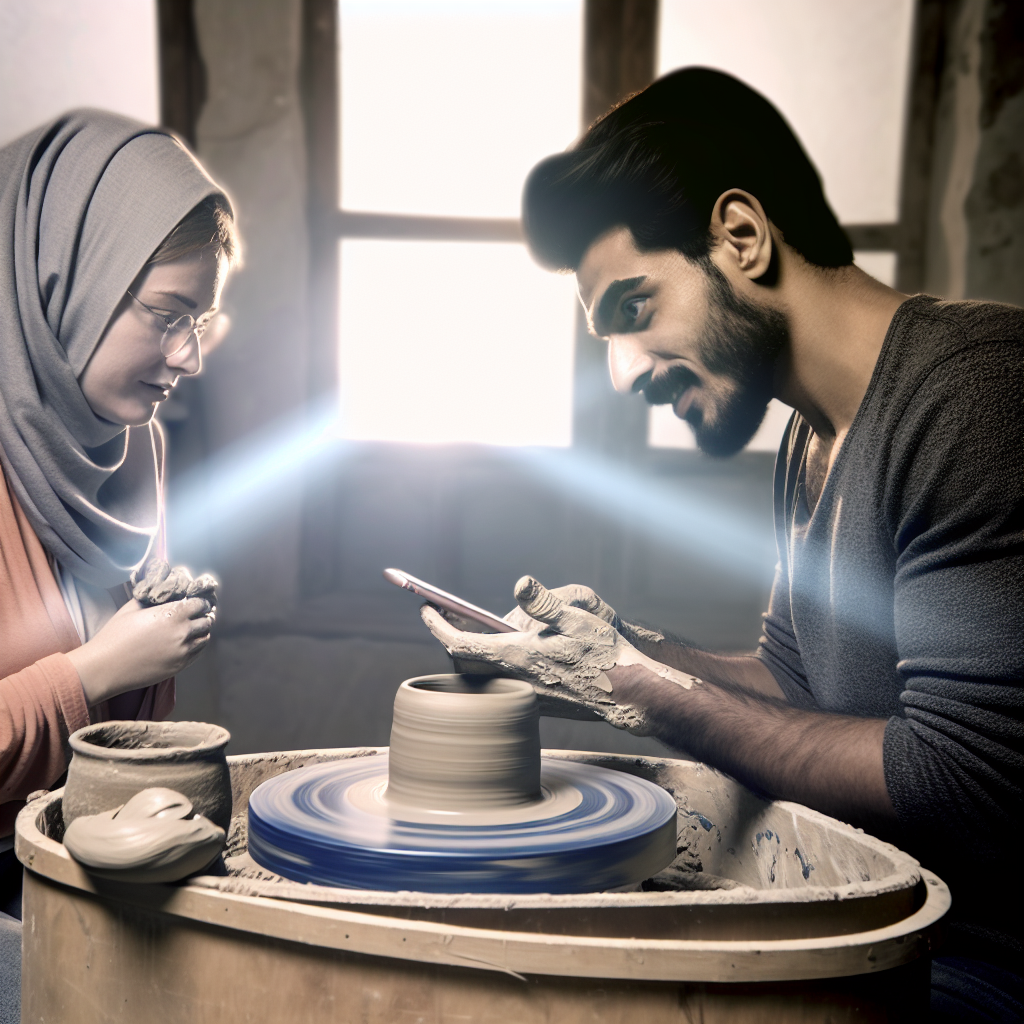
Enter the Analog First Date Experiment—a radical idea urging participants to completely unplug during a first meeting and focus instead on shared, hands-on experiences. The premise is simple yet powerful: leave phones turned off or at home and immerse in an activity that encourages collaboration and connection. Options range from taking a pottery class, walking in the park, or cooking a meal together—any scenario that fosters being present, face-to-face.
Why is this important? **Modern dating behaviors**, shaped by swiping culture and emojis, often sacrifice the nuances of communication—body language, real-time laughter, and eye contact. These subtle indicators are key to building emotional bonds. Numerous daters across generations—from tech-savvy Gen Z to Baby Boomers who remember courtship before texts—are all expressing a need for emotional authenticity.
Whether you’re 22 or 72, this experiment poses a simple yet profound challenge: can we set aside our screens and rediscover the chemistry that comes from truly being present?
Features: Backed by Science and Relationship Experts
The idea of **unplugging to form deeper relationships** isn’t just a romantic fantasy—it’s supported by scientific research and echoed by leading relationship experts.
One key study published in the journal Environment and Behavior in 2014 found that having a smartphone even visible—let alone in use—can significantly degrade the quality of a face-to-face conversation. It lowers feelings of trust, empathy, and closeness between people. The mere presence of tech acts like a mental barricade, subconsciously signaling that attention may shift at any time ([source](https://journals.sagepub.com/doi/abs/10.1177/0013916514539755)).
Dr. Sherry Turkle, a renowned MIT sociologist and author of Reclaiming Conversation, has warned that digital dependence suppresses essential conversation skills. Real-world dialogue, she stresses, is fundamental to developing empathy—a trait at the heart of any healthy relationship.
Additionally, researchers at the University of Essex found that mobile phones undermined meaningful discussions between romantic partners. Even deep emotional exchanges suffered when a phone was within sight, affirming that shared presence fosters emotional intimacy ([source](https://psycnet.apa.org/record/2012-06469-001)).
Dr. John Gottman, a seminal figure in relationship psychology, introduces the concept of “bids for connection.” These are small, everyday moments—smiles, shared stories, inside jokes—that build emotional intimacy over time. Phones often interrupt or block these micro-interactions, weakening long-term connection potential ([source](https://www.gottman.com/blog/turn-toward-instead-of-away/)).
Research suggests that the more engaged and mindful we are during early dating experiences, the more likely we are to build authentic relationships. The Analog First Date sets the scene perfectly for such engagement.
Expand Your Date: Ideas for Mindful, Analog Moments
To truly embrace this challenge, daters can explore various creative ideas tailored to mutual interests:
– Take a painting or pottery class where conversation flows naturally around the creative process.
– Go for a nature hike without any devices—share stories while exploring peaceful scenery.
– Visit a farmer’s market and then cook a meal together with the ingredients.
– Pick a DIY project like terrarium building or model kits that spark playfulness and laughter.
These shared activities require collaboration and attention—precisely the elements tech often dilutes. Engaging the body and mind in parallel fosters bonding through challenge, achievement, and discovery.
Conclusion
The Analog First Date Experiment offers more than nostalgia; it provides a timely, science-backed solution to the fragmented interactions of modern dating. It urges singles, from young adults to elders, to prioritize real-time connection over convenience. By fostering presence, emotional awareness, and undivided attention, daters can create encounters filled with authenticity, laughter, and lasting resonance.
Choosing chemistry over clicks and presence over pings may be the real romantic revolution of our era.
References
1. Przybylski, A. K., & Weinstein, N. (2013). Can You Connect With Me Now? How the Presence of Mobile Communication Technology Influences Face-to-Face Conversation Quality. Environment and Behavior. [Read Study](https://journals.sagepub.com/doi/abs/10.1177/0013916514539755)
2. Turkle, S. (2015). Stop Googling. Let’s Talk. The New York Times. [Read Article](https://www.nytimes.com/2015/09/27/opinion/sunday/stop-googling-lets-talk.html)
3. Misra, S., Cheng, L., Genevie, J., & Yuan, M. (2014). The iPhone Effect: The Quality of In-Person Social Interactions in the Presence of Mobile Devices. Environment and Behavior. [Read Study](https://psycnet.apa.org/record/2012-06469-001)
4. The Gottman Institute. Turn Toward Instead of Away. [Read Article](https://www.gottman.com/blog/turn-toward-instead-of-away/)
Concise Summary
The Analog First Date Experiment promotes tech-free, activity-based dating to foster authentic connection and genuine presence. Backed by scientific research and relationship experts, it underscores the value of undistracted, in-person engagement over screen-mediated interactions. Whether it’s hiking or cooking together, shared offline experiences boost emotional intimacy, reduce miscommunication, and build meaningful bonds. Encouraging singles across generations to disconnect from their devices and reconnect with each other, this dating experiment offers a refreshing, effective alternative in a screen-saturated world.

Dominic E. is a passionate filmmaker navigating the exciting intersection of art and science. By day, he delves into the complexities of the human body as a full-time medical writer, meticulously translating intricate medical concepts into accessible and engaging narratives. By night, he explores the boundless realm of cinematic storytelling, crafting narratives that evoke emotion and challenge perspectives. Film Student and Full-time Medical Writer for ContentVendor.com