The Compatibility Algorithm: Applying Data Science to Your Love Life for High-Stakes Success
In the digital age, data science influences many aspects of our lives—our shopping habits, our online activities, and even our romantic pursuits. Singles navigating the complex world of dating find the integration of data science not just advantageous but essential for seeking lasting relationships. This approach analyzes vast amounts of data to uncover patterns, predict compatibility, and enhance the success rate of romantic connections. While this idea may sound futuristic, it is the reality of modern matchmaking.
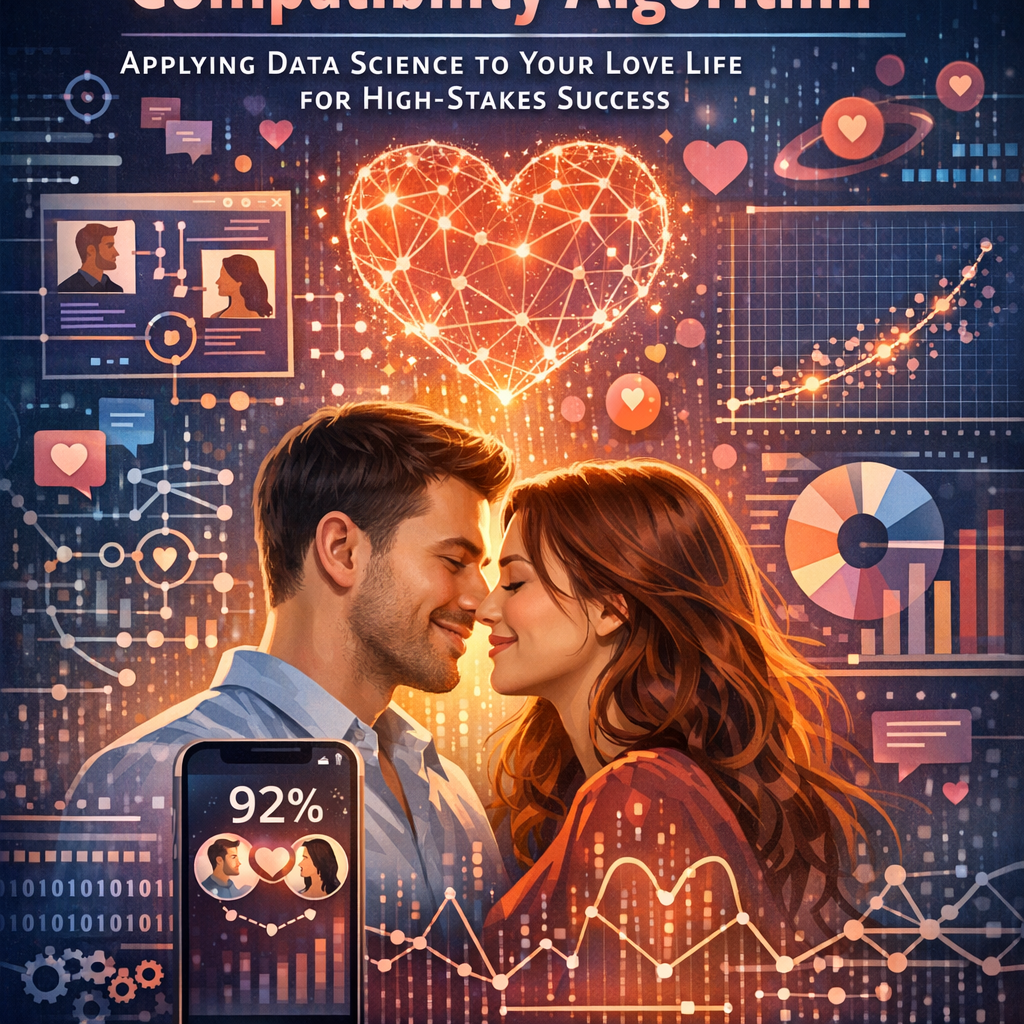
The concept of leveraging algorithms to find love is based on the premise that relationships are, at their core, a series of interactions that can be quantified and analyzed. A compatibility algorithm collects data from users, including personality traits, interests, values, and even communication styles, to predict which individuals are most likely to connect at a deeper level. By aligning personal attributes and preferences with potential matches, the algorithm significantly narrows down the dating pool to individuals more likely to be compatible.
Dating platforms like OkCupid, Match.com, and eHarmony have pioneered the use of algorithms to match singles since the early 2000s. However, the sophistication of these systems has improved dramatically in recent years. Modern compatibility algorithms utilize machine learning to continually adapt and refine their predictions, based on the successes and failures of previous matches. As more data is gathered, the algorithm becomes more accurate and personalized, offering users a tailored dating experience.
Beyond mere attraction and initial chemistry, this method considers more substantive elements of compatibility—such as shared life goals, emotional intelligence, and conflict resolution styles. The inclusion of these facets ensures that matches have the potential for long-term success rather than fleeting romance.
Features: Current Studies and Professional Insights
The use of data science in matchmaking is supported by numerous studies and professional insights that highlight its efficacy. A study published in the [*Proceedings of the National Academy of Sciences*](https://www.pnas.org/content/114/43/115) examined factors contributing to marital stability mined from extensive personality tests and questionnaires. This data improved compatibility algorithms, revealing that personality traits such as emotional stability and agreeableness significantly impact marital satisfaction and longevity. By incorporating these findings, dating algorithms are better equipped to match individuals with the potential for lasting happiness.
Furthermore, an empirical study from the [Journal of Marriage and Family](https://onlinelibrary.wiley.com/journal/17413737) found couples with shared values and interests reported higher satisfaction in their relationships. This indicates the importance of aligning core beliefs and lifestyles, which data-driven algorithms successfully identify through complex questionnaire data analysis and behavioral tracking.
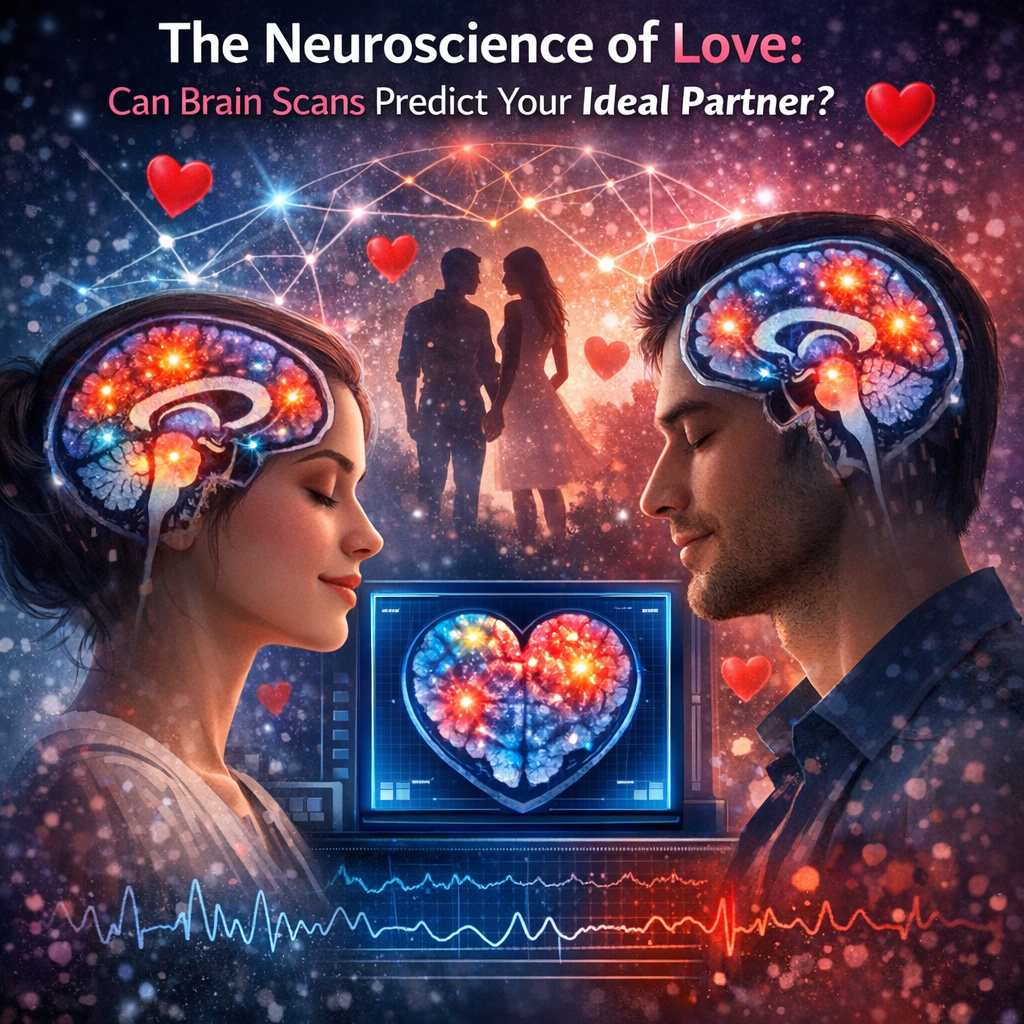
In the medical field, neuroscientists at [Stanford University](https://www.nature.com/articles/srep25040) have explored the role of brain alignment—or the degree to which partners’ neural responses are similar—during shared activities as a predictor of relationship success. Their findings support the idea that compatibility extends beyond physical and emotional attributes to include cognitive synchrony, an element innovative dating platforms are beginning to incorporate into their algorithms.
These studies reveal that applying data science in matchmaking allows for a comprehensive approach to finding compatible partners by considering multiple dimensions of a person’s identity and interactions. While there is no substitute for in-person chemistry, the science-driven method provides a robust framework for singles to begin their search with a higher probability of success.
Conclusion
The integration of data science into the dating world represents both an exciting advancement and a practical solution to the complexities of modern romance. While it may never replace the serendipity of a chance encounter, the compatibility algorithm offers singles a refined, efficient, and scientifically sound means of finding love. Whether you’re an 18-year-old just entering the dating scene or navigating love later in life, embracing this data-driven approach could be the key to unlocking high-stakes success in your romantic endeavors. As we look to the future, it will be interesting to see how this technology evolves and redefines the way we find connection and companionship.
Concise Summary
In the digital age, data science influences nearly every aspect of life, including romantic pursuits. Compatibility algorithms analyze personality traits and preferences to predict relationship success. While platforms like OkCupid, Match.com, and eHarmony have used these algorithms since the early 2000s, technological advances have significantly improved their accuracy and personalization. Studies show traits like emotional stability impact relationship longevity, and data-driven methods offer a structured approach to finding partners. Though it may not replace serendipity, data science presents an efficient, sound strategy for singles seeking meaningful connections.