The Energy Budget for Dating: Practical Tactics for Introverts and Busy Professionals to Socialize Without Burnout
Introduction
In today’s fast-paced world of demanding careers, side hustles, and constant digital engagement, dating often becomes another overwhelming obligation rather than an enjoyable experience. For introverts and busy professionals, managing time isn’t the only challenge—managing energy is just as critical.
Unlike extroverts who may find socializing energizing, introverts tend to require alone time to recharge, making multiple dates per week emotionally taxing. Meanwhile, dedicated professionals navigate a tightly packed schedule filled with work, family, and personal growth. Add the modern dating scene—apps, meetups, messaging—to the mix, and it’s a perfect recipe for social burnout before a meaningful connection can even be formed.
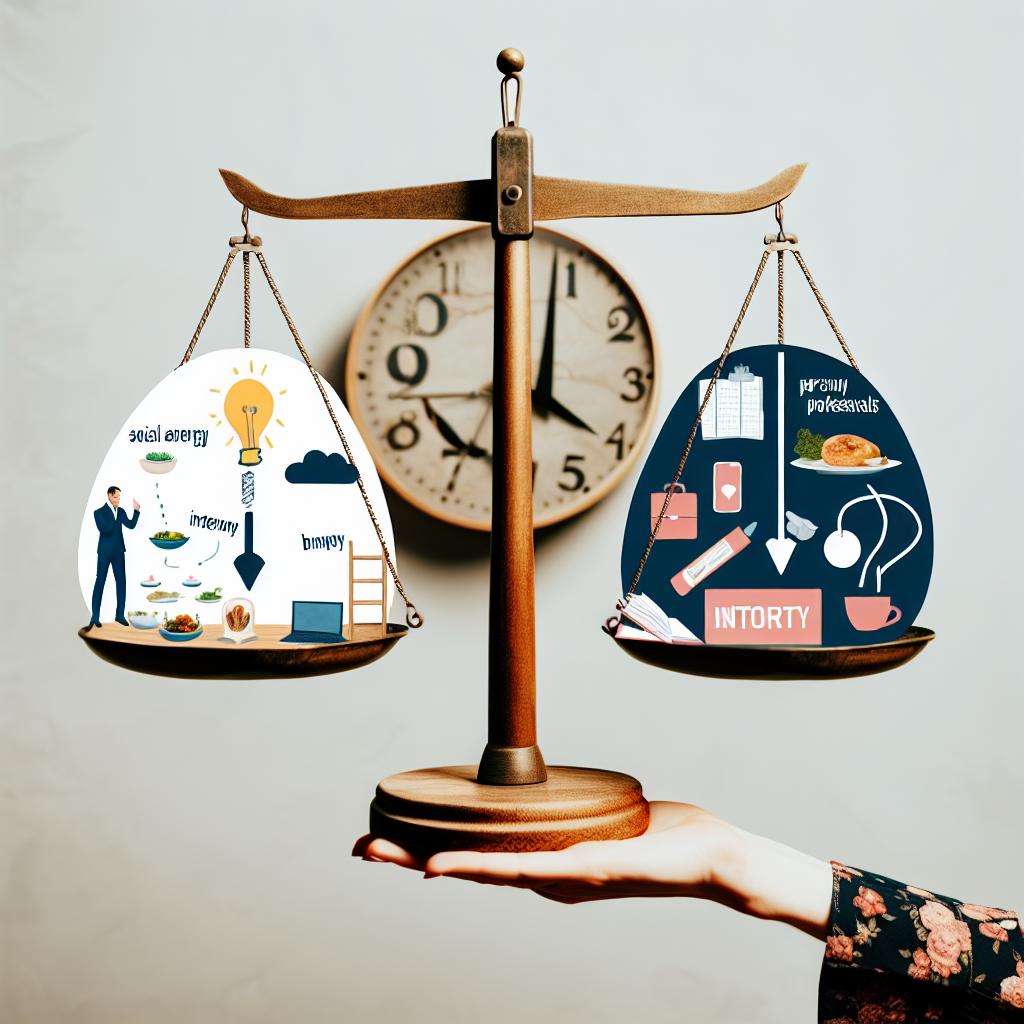
That’s where the concept of an “Energy Budget” becomes invaluable. Much like budgeting money, this approach helps you spend your daily energy wisely. Think of it as a method to consciously invest your finite emotional energy across both work and personal life without overextending yourself, especially when seeking love.
Modern dating often feels like a high-stakes audition: you’re expected to be emotionally available, charming, witty, spontaneous, and emotionally intelligent—all during drinks after a 10-hour workday. It’s no longer just dating; it’s performance art. But this doesn’t have to deplete you. With a strategic, mindful approach to dating, you can maintain health, clarity, and genuine enjoyment while building meaningful relationships.
This comprehensive guide explores how to apply energy budgeting techniques to your social life, backed by psychology research and supported by productivity methods. Whether you’re newly single or a seasoned swiper looking for something real, we’ll show you how to make space for love—without draining your vitality.
Scientific Insights and Professional Strategies
Research in personality psychology reveals why social energy varies for everyone. According to the well-supported Big Five Personality Traits model, individual differences in introversion and extraversion are biologically based. As outlined by researchers John & Srivastava in the Journal of Personality (1999), extroverts generally have a lower level of natural brain stimulation (or cortical arousal), so they seek stimulation from others. Introverts, in contrast, often have higher baseline arousal and can become overstimulated quickly—making socializing more draining.
From a workplace wellness standpoint, concepts from occupational health psychology teach us that recovery isn’t optional; it’s essential. Research in the Journal of Occupational Health Psychology (2020) found that consistent recovery—through rest breaks, mindfulness, and meaningful activity—reduces burnout and improves focus. Consider dating just like work: overextending can hurt outcomes. Dating should be managed with the same intention we use on big projects—so that we engage with presence rather than exhaustion.
Psychologist and introversion expert Susan Cain urges us to lean into our natural rhythms rather than resist them. In dating, this might mean choosing low-stimulation environments (like bookstores or walking trails), limiting your weekly outings, or planning dates around your energy peaks.
Applying productivity techniques like the Eisenhower Matrix—originally created to manage tasks—helps distinguish urgent flings from important, long-term matches. Not every dating app message needs your time. Learn to filter for compatibility, shared values, and red flags, and reserve your precious energy for interactions with real potential.
Even using wearable tech and apps like the Oura Ring or WHOOP can offer insight into how your body reacts post-date. These tools collect biometric feedback like heart rate variability and sleep quality—helping you detect whether a date energized or depleted you.
In short, dating success today is less about how many people you meet—and more about how you manage the emotional cost of meeting them. By making energy integral to your strategy, you shift dating from a stressor to a sustainable lifestyle chapter.
Practical Tactics for Managing Your Dating Energy
1. Set a Weekly Social Cap
Avoid overscheduling by limiting your social plans—especially first dates. Try a personal rule like “maximum of two dates per week.” Build in recovery time before and after each interaction. This ensures you bring your best self to every encounter and avoid energy crashes.
2. Choose Your Venues Wisely
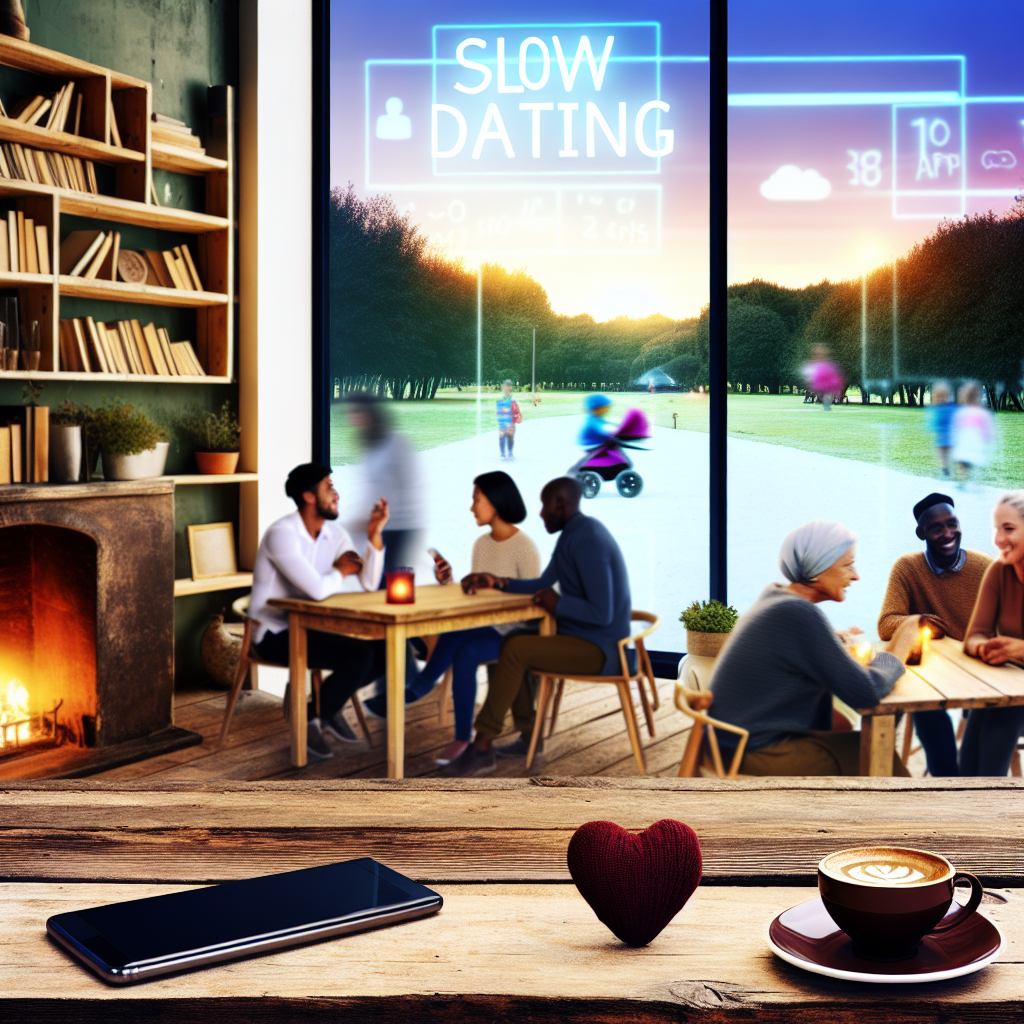
Opt for low-stimulation environments that support ease rather than performance. Think quiet coffee spots, art galleries, nature trails, or cozy wine bars. Avoid noisy clubs or crowded events unless that naturally revitalizes you. Let the setting support—not sabotage—your energy flow.
3. Date During Your Power Hours
Align your dating schedule with your natural energy rhythm. If you’re most alert in the morning, suggest a breakfast or lunchtime date. Save evening hours for winding down. This minor tweak can significantly enhance conversational quality and emotional connection.
4. Use Screening Questions
Avoid dead-end dates by vetting potential matches early. Add thoughtful prompts in your profile that reflect your values and deal-breakers. Or ask questions like “What’s your ideal weekend?” over text before setting up a meet. This helps filter compatible partners fast—and saves your time and energy.
5. Digital Detox Days
Constant notifications from dating apps can lead to decision fatigue. Designate certain days as “no-app” days where you log off entirely. These resets help you reconnect with yourself and avoid burnout from mindless swiping or shallow conversations.
6. Cluster Social Activities
Minimize weekly disruption by grouping social tasks. Meet a friend for lunch, then go on a date later that same day. This preserves full days of solitude while efficiently managing your week. It also frees up more energy for deep connection, not logistical juggling.
7. Prioritize Quality Over Quantity
If navigating apps is too draining, consider hiring a matchmaker or using curated platforms like The League or Tawkify that pre-screen compatibility. You’ll spend less energy sorting through profiles and more time connecting with people who actually align with your goals and personality.
8. Build a Recovery Ritual
After each date, create a decompressing routine, like meditating, walking in nature, or journaling your thoughts. This isn’t just about winding down—it’s about processing emotions, calibrating boundaries, and gaining clarity on what nourished or drained you.
Conclusion
In a world where energy feels increasingly scarce, how you manage yours can determine the success of your dating life. By applying principles of energy budgeting, you become intentional about who you meet, when you meet them, and how much of yourself you offer.
Dating doesn’t have to be exhausting. In fact, the right connection should feel like fuel—not a drain. With personalized tactics grounded in science, psychology, and wellness, you can proactively design a romantic life that enriches—not erodes—your energy and emotional health.
Dating smarter starts with caring for yourself as much as you aim to care for someone else. Be strategic, stay grounded, and remember: your energy is your most valuable resource—protect it, and let it guide you toward love that uplifts.
Concise Summary
Dating can be draining for introverts and busy professionals, but managing your social energy through an “Energy Budget” makes it manageable and even enjoyable. Grounded in personality psychology and occupational health research, this approach involves consciously balancing energy use across social interactions. Strategic tactics include limiting weekly dates, choosing low-stimulation venues, screening matches, and using personal recovery rituals. Tools like WHOOP and Oura Ring can offer biometric feedback, while professional matchmakers and time management strategies reduce overwhelm. By combining science, intention, and self-awareness, dating becomes a sustainable, enriching experience—instead of a source of emotional fatigue.
References
1. John, O. P., & Srivastava, S. (1999). The Big Five trait taxonomy: History, measurement, and theoretical perspectives.
2. Weigelt, O., & Syrek, C. J. (2020). Ovations at the right moment: A longitudinal field study on the positive effects of break recovery.
3. Cain, S. (2012). Quiet: The Power of Introverts in a World That Can’t Stop Talking.
4. Oura Health. Track your recovery with Oura Ring.
5. WHOOP. Unlock your body’s potential.

Dominic E. is a passionate filmmaker navigating the exciting intersection of art and science. By day, he delves into the complexities of the human body as a full-time medical writer, meticulously translating intricate medical concepts into accessible and engaging narratives. By night, he explores the boundless realm of cinematic storytelling, crafting narratives that evoke emotion and challenge perspectives. Film Student and Full-time Medical Writer for ContentVendor.com