The Future of Love: Can AI Predict Long-Term Relationship Success Better Than Traditional Matchmaking?
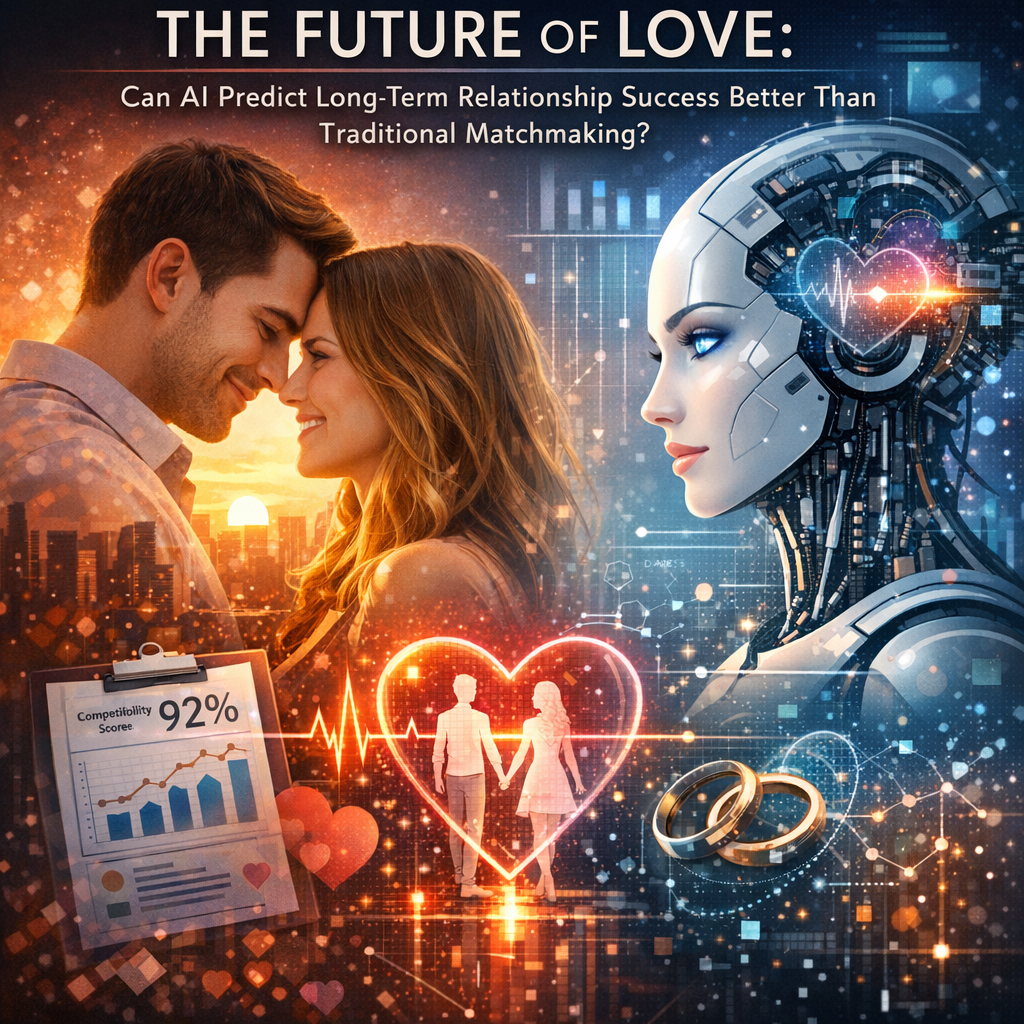
In today’s digital age, the quest for love has evolved significantly. From traditional matchmaking services to modern dating apps, the way we form connections has been transformed by technology. However, the latest development in this realm is the use of artificial intelligence (AI) to predict long-term relationship success. This cutting-edge innovation raises an intriguing question: Can AI outperform traditional matchmaking methods in helping singles find lasting love?
At its core, traditional matchmaking relies heavily on human intuition and experience. Matchmakers have long been celebrated for their ability to understand human emotions and interpersonal dynamics, factors crucial in forming lasting bonds. They consider various elements such as cultural background, values, interests, and even astrological signs to create harmonious pairings. While this personalized approach has its merits, it has its limitations, including the subjectivity and biases inherent in human judgment.
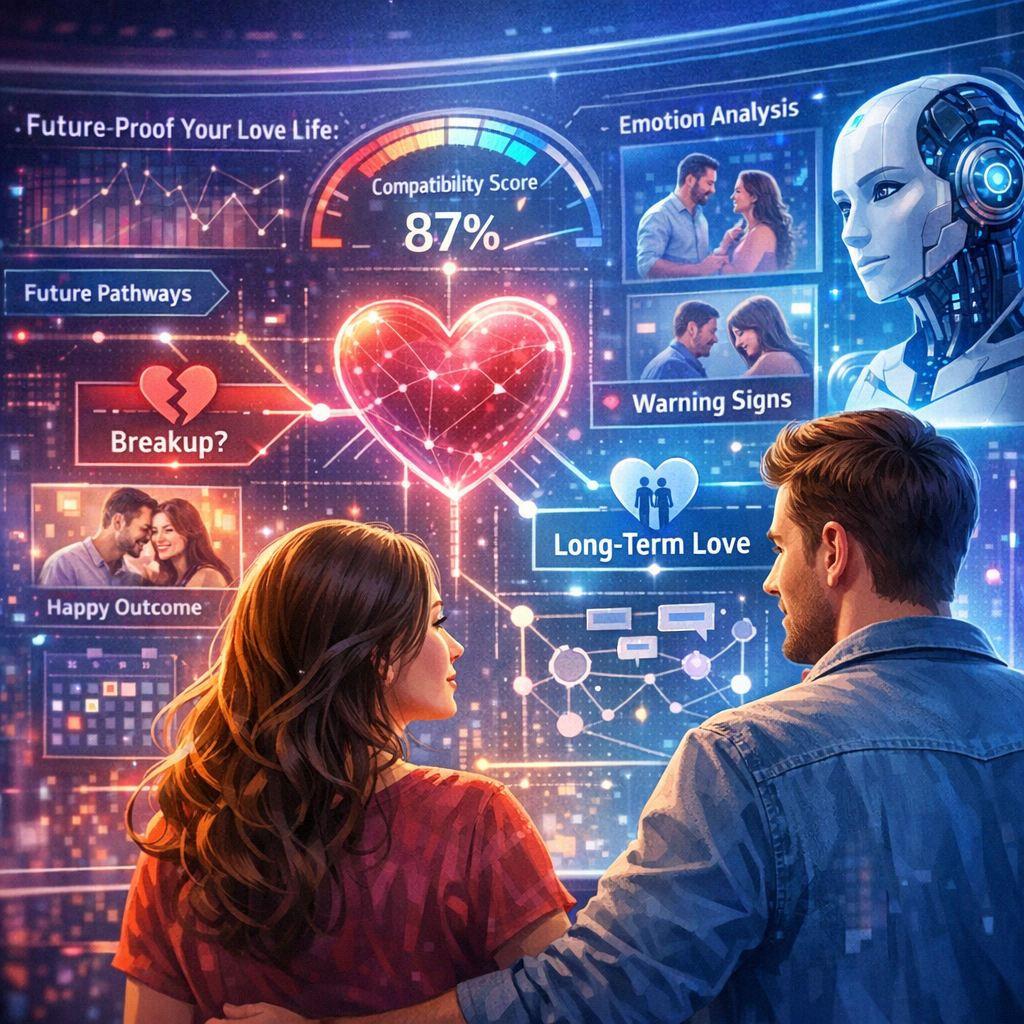
In contrast, AI leverages vast amounts of data and advanced algorithms to identify potential matches based on patterns that may be beyond human perception. It analyzes user data from dating profiles, social media activity, communication styles, and more to predict compatibility. This technology is not just looking for immediate sparks but is designed to evaluate long-term compatibility by considering factors such as emotional intelligence, conflict resolution styles, and shared life goals. AI can even adjust matchmaking criteria over time, learning from user experiences to refine its predictions further.
The innovation of AI-driven matchmaking systems presents a compelling case for the future of love and relationships. Its capacity for harnessing data to predict long-term relationship success raises questions about its potential to eclipse traditional methods. As more people embrace digital platforms for dating, the integration of AI may redefine how singles navigate their romantic journeys, offering personalized insights that traditional matchmaking might not provide.
Features:
Several professional and academic studies have explored the potential of AI in transforming matchmaking processes. A study published in the Journal of Social and Personal Relationships examined how algorithms can be used to predict relationship satisfaction and longevity. The researchers found that AI systems could assess compatibility with remarkable accuracy by analyzing communication patterns and decision-making processes between couples.
Furthermore, a study by the Massachusetts Institute of Technology (MIT) explored machine learning techniques in predicting relationship outcomes. The study analyzed data from marital therapy sessions and found that AI could accurately project the likelihood of a couple’s long-term success by examining speech patterns, physiological responses, and interaction dynamics. The findings suggest that AI not only offers a high degree of precision in understanding relationship dynamics but can act as a supportive tool for relationship counseling.
Moreover, a research initiative by Stanford University investigated the impact of machine learning on dating app algorithms. By examining user behaviors and preferences on these platforms, researchers demonstrated that AI could dynamically adapt and improve its matchmaking capabilities. This adaptability means that AI-driven systems can continuously refine their predictions, offering a more nuanced understanding of compatibility than static matchmaking approaches.
Conclusion:
The advent of AI in the realm of matchmaking is revolutionizing how singles discover and evaluate potential partners. While traditional matchmaking offers depth in understanding human nuances, AI provides a data-driven approach with the potential for heightened precision in predicting long-term relationship success. As technology progresses, the synergy between human insight and AI may ultimately redefine the pursuit of love, blending age-old wisdom with cutting-edge innovation to create meaningful, lasting connections.
References:
– Journal of Social and Personal Relationships
– MIT News
– Stanford University News
Concise Summary: The integration of AI in matchmaking promises a revolution in how people find love. By analyzing vast data, AI provides a precise, data-driven method for predicting long-term relationship success, challenging traditional approaches that rely on human intuition. Studies from MIT, Stanford, and the Journal of Social and Personal Relationships underscore AI’s efficacy in improving relationship outcomes and advising couple therapy. While traditional matchmaking offers human insights, AI’s power lies in its ability to continuously learn and adapt, potentially redefining our pursuit of romantic connections.