The Marriage Blueprint: Designing Your Love Life with Executive Precision
In an ever-changing landscape of romance and relationships, the quest for lifelong happiness remains a universal dream. Singles from 18 to their golden years harbor aspirations to find that perfect partner who not only complements their lives but enhances them. But is there a formula—an executive precision, if you will—for designing a loving, lasting marriage? Much like crafting a business plan, successful relationships can benefit from strategies, insights, and structured approaches that are time-tested and proven. As a dating expert and matchmaking strategist, I’ve observed firsthand how intentionality and precision can transform the love life of singles into a masterpiece.
Planning a relationship with the same meticulousness as an executive plans a successful business venture might seem cold to some. However, applying such a framework to love doesn’t mean eliminating spontaneity or passion; rather, it involves embracing clarity, objectives, and shared visions. As singles navigate the modern world of dating, where choices are vast but often overwhelming, the idea of precision planning becomes not just desirable but essential.
The shift in contemporary romance largely stems from an appreciation for individual growth, mutual respect, and sustainable partnerships. No longer are people content with entering relationships without careful thought and introspection. Today’s singles are savvier, aiming to construct a relationship architecture that stands the test of time. The initial step? Understanding one’s own values, aspirations, and goals. This self-awareness becomes the foundation on which a durable partnership is built. An expanded understanding of this step would include engaging in activities that encourage personal reflection, talking to therapists or coaches, and using personality assessments to gain deeper insights.
Furthermore, communication acts as the blueprint’s language and currency, converting abstract ideas into tangible relationship milestones. The need for establishing clear channels of open and honest dialogue cannot be stressed enough. With the influx of digital communication platforms, understanding the nuances of verbal and non-verbal cues could make or break potential connections. Dating apps and social media sometimes obscure these nuances, making true understanding more challenging yet crucial in relationship building. It is recommended for singles to learn about communication skills, perhaps through workshops or reading resources on effective communication techniques.
Executive precision also demands adaptability and resilience. Much like industries thrive on innovation and flexibility, a marriage crafted with foresight allows for growth and change. Couples who design their relationships with strategic foresight are better equipped to handle ambiguity and challenges. They build resilience like a startup silences its growing pains, continuing to forge stronger operations and united pathways.
Features
Research in the fields of psychology and relationship science strongly supports the notion of intentional relationship planning. Dr. John Gottman, a leading relationship expert, emphasizes that the foundation of healthy, long-term relationships is built on intentional acts of connection and communication. His research highlights the Sound Relationship House theory, which proposes structured elements for relationship management such as shared values and dreams, conflict resolution, and emotional attunement. Couples that follow such frameworks exhibit higher relationship satisfaction levels and lower separation rates.
From a psychological standpoint, the role of self-awareness cannot be overstated. Studies show that individuals who understand their personality traits and emotional triggers navigate relationships more effectively. The Big Five personality traits model, often used in psychology, can provide insights into compatibility and potential challenges in a partnership. Traits such as openness, conscientiousness, and agreeableness often correlate with greater relationship success. Additional resources may include exploring instruments like the Enneagram or MBTI for a comprehensive personality understanding.
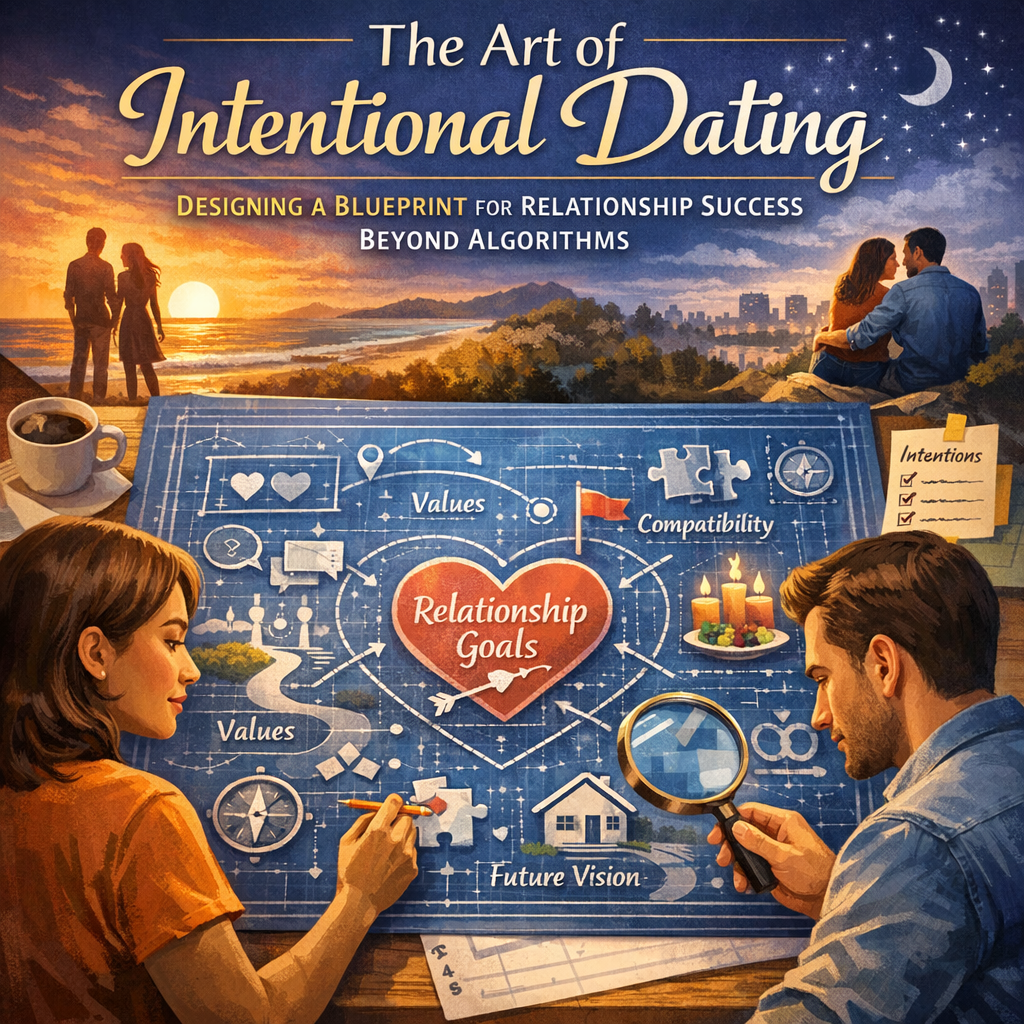
Furthermore, recent studies indicate a growing trend toward the “relationship rewiring” approach, where couples undergo a deliberate process of evaluating and resetting relationship dynamics. This method focuses on regular relationship audits, akin to performance reviews in corporate settings, where couples critically assess and adjust their trajectories. The visually rich field of data visualization even finds its romantic application here: Couples use diagrams and charts to tangibly map their relationship progress and identify areas needing attention. To expand on these audits, couples could use tools such as annual reviews or established books on relationship metrics and assessment.
On the medical front, neuroscientific research sheds light on the chemical underpinnings of love and attachment. Hormones like oxytocin and vasopressin play crucial roles in fostering bonding and trust. Understanding the biological basis of these elements can provide valuable insights into romantic behaviors and attachment styles, offering another layer of precision to the marriage blueprint. Further reading in neuroscience could be included to gain a more scientific perspective on these processes.
Conclusion
With the right blend of personal insight, strategic communication, and scientific knowledge, the executive precision of a marriage blueprint can transform how singles approach their love lives. By intentionally designing a relationship with clarity and foresight, couples not only weather life’s storms but also create a legacy of love that thrives across decades. As the realm of dating expands and evolves, the strategies that rely on precision and intentionality will stand the test of time, proving that love, much like life, truly benefits from a well-considered plan.
References
– Gottman, J. (n.d.). The Sound Relationship House Theory. The Gottman Institute.
– McCrae, R. R., & Costa, P. T., Jr. (2008). The Five-Factor Theory of Personality.
– Young, K. (2017). Neuroscience of Love: How Scientists Map the Brain in Love. Scientific American.
Concise Summary:
In today’s ever-evolving dating world, applying executive precision to relationships can be transformational. This involves using clarity, strategic communication, and scientific insights to intentionally design long-lasting partnerships. By drawing on research from experts like Dr. John Gottman, understanding personal psychology, and embracing relationship planning, singles and couples can craft resilient marriages. This approach emphasizes adaptability, regular relationship evaluation, and understanding biological underpinnings of love. As dating landscapes shift, these meticulously crafted strategies ensure that love, like life, flourishes with proper planning.