The Neuroscience of Love: Using Brain Science to Craft Your Perfect Matchmaking Strategy
Introduction
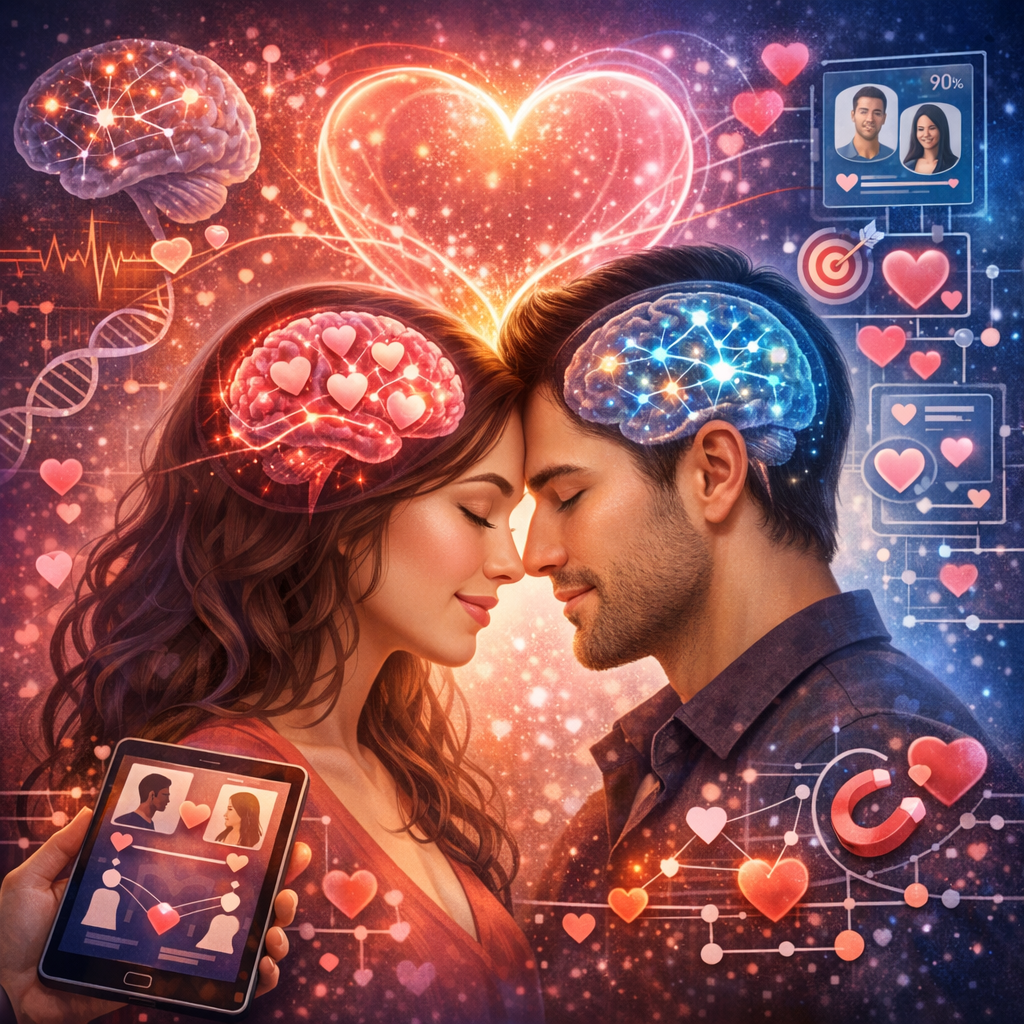
Love, often regarded as an intangible emotion, has captivated human beings for centuries. It’s the muse of poets, the theme of countless songs, and the driving force behind many of our actions. But what if we told you that love is not just a whimsical feeling but a precise reaction orchestrated by your brain? Enter the world of the neuroscience of love, where cutting-edge brain science reveals how neural circuits and biochemical processes can influence your romantic desires and choices. Understanding these intricacies can transform the way you approach dating and matchmaking, equipping you with strategies grounded in science that transcend mere chemistry.
The human brain, that three-pound organ inside your skull, is awe-inspiring in its capability to regulate emotions and desires. Various studies have shown that love is not confined to a single part of the brain; instead, it involves a complex network of areas working together. According to neuroscientists, dopamine and oxytocin are two key players in the game of love. Dopamine, a neurotransmitter, is associated with the pleasure and reward system of the brain, giving us that euphoric feeling when we are infatuated or passionate about someone. Oxytocin, another critical neurochemical often dubbed the “love hormone,” fosters feelings of attachment, trust, and intimacy.
When you grasp these neural underpinnings, you can approach dating and matchmaking with a sharper, more informed perspective. Matchmaking becomes more than just aligning interests; it involves recognizing how neuromodulators and environmental influences can tailor a partnership uniquely suitable to your brain’s needs. By leveraging neuroscience, you can avoid common pitfalls such as mistaking infatuation for long-term compatibility or overlooking red flags that do not align with your brain’s needs for balance and harmony in a relationship.
Features
Numerous professional and academic studies support these theories by delving deeper into how specific brain activities influence our ability to love and form connections. A groundbreaking study by Dr. Helen Fisher, a biological anthropologist at Rutgers University, identified the ”love circuitry” in the brain through her research. Utilizing functional magnetic resonance imaging (fMRI), she revealed heightened activity in the ventral tegmental area and caudate nucleus regions when participants viewed images of their romantic partners. These regions are rich in dopamine pathways, highlighting our drive to seek pleasure and reward—a fundamental aspect of romantic attraction.
Moreover, a series of studies explore how oxytocin levels rise during physical touch, such as hugging and kissing, revealing the biochemical bond that facilitates trust and closeness. This understanding has been instrumental for relationship therapists and professionals, who tout the benefits of intentionally cultivating physical proximity to strengthen emotional ties. Such biochemically-backed strategies can be particularly beneficial in matchmaking, providing practical ways for singles to evaluate and deepen their connections.
Another dimension of neuroscience in relationships is understanding attachment styles, as highlighted by Dr. Sue Johnson, a clinical psychologist specializing in Emotional Focused Therapy. Her research underscores how our early attachment experiences shape our expectations and behaviors in love. By identifying whether you have a secure, anxious, or avoidant attachment style, you can better understand your relationship patterns and what you need from a partner for sustained happiness.
In addition, mindfulness and emotional regulation activities can recalibrate brain areas associated with compassion and empathy, leading to healthier relationship dynamics. By being mindful, singles can better navigate dating challenges, resist impulsive decisions driven by fleeting neural responses, and cultivate a more fulfilling, long-term partnership.
Conclusion
Utilizing neuroscience as a foundation for dating and matchmaking opens up new avenues for creating meaningful, enduring relationships. By understanding how your brain processes emotions and love, you equip yourself with a scientifically-backed strategy that can sharpen your instincts in the dating world. In doing so, singles from all walks of life can engage in the art of love with greater intention, empathy, and success, crafting connections that not only ignite passions but sustain them.
References
1. [The Neurobiology of Love, Dr. Helen Fisher](https://www.ted.com/speakers/helen_fisher)
2. [Oxytocin Increases Trust in Humans, The University of Zurich](https://science.sciencemag.org/content/298/5597/1414)
3. [Attachment Styles in Relationships, Dr. Sue Johnson](https://drsuejohnson.com/)
Concise Summary
The neuroscience of love examines how our brains’ neural circuits and biochemical processes, particularly involving dopamine and oxytocin, influence romantic attraction and partner compatibility. Studies by researchers like Dr. Helen Fisher and Dr. Sue Johnson have revealed how brain areas associated with pleasure and reward, influenced by attachment styles, drive our romantic interactions. By applying this knowledge, individuals can approach dating and matchmaking with scientifically-informed strategies that foster healthy, lasting relationships while avoiding common romantic pitfalls rooted in fleeting infatuations. Understanding these brain dynamics aids in crafting connections that nurture deep emotional and physical bonds.