The Relationship Scorecard: Quantifying Compatibility with Behavioral Metrics for the High-Achiever’s Love Life
Introduction
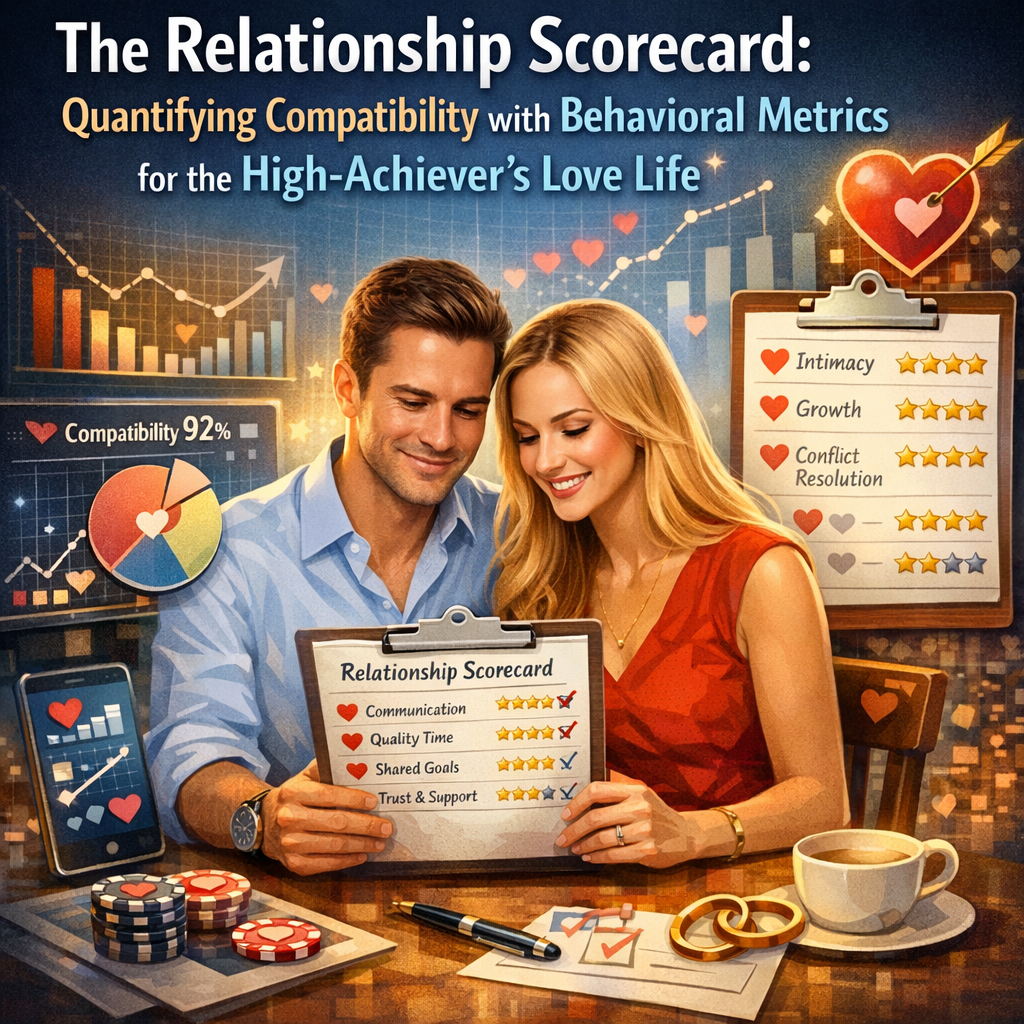
As the pace of life accelerates and schedules become busier, people—especially high-achievers—are becoming incredibly selective about their romantic partners. For those who measure success in quantifiable terms in their careers, friendships, and personal goals, it’s no surprise that this same mindset is extending into their romantic lives. This is where the concept of the “relationship scorecard” comes into play—tracking compatibility through behavioral metrics. Think of it as an analytical approach to finding love; a way to measure intangible emotions through tangible data.
At its core, the relationship scorecard is about creating a structured way to evaluate potential partners based on defined traits and behaviors that align with your core values and lifestyle. It’s not just about scoring dates on superficial characteristics such as height or income. Instead, it focuses on deeper elements that make a partnership successful, like emotional intelligence, shared values, communication skills, and future goals. These reflect the evolving priorities of modern singles driven by their goals and ambitions, leading them toward more data-driven dating decisions.
In an era of high-tech matchmaking, dating apps, and endless online platforms, the relationship scorecard method takes a more comprehensive, reflective approach to dating. It’s about sorting through those countless profiles and messages by focusing on characteristics that matter most to long-term compatibility. In addition, it encourages singles to become more aware of their behaviors and expectations, resulting in a more self-aware and mindful dating process.
To implement a relationship scorecard, start by identifying key attributes that align with your vision of a successful partnership. This might include emotional resilience, adaptability, and shared interests. As you date, assess your partner and the relationship based on these metrics, creating an evolving picture of compatibility over time. The scorecard acts as a tool for reflection and growth, guiding decision-making in love as it would in business, with a focus not just on compatibility but also on personal development in the context of a relationship.
Features
Understanding how to quantify compatibility using behavioral metrics is supported by various professional and academic studies. Research in fields such as psychology and behavioral science offers insights into how these metrics can be identified and measured. For instance, a study conducted by the [Gottman Institute](https://www.gottman.com) focuses on what they call “The Four Horsemen of the Apocalypse” in relationships—criticism, contempt, defensiveness, and stonewalling—which are predictors of relationship dissatisfaction. An awareness of these behaviors can provide metrics to assess compatibility.
Moreover, research by psychological scientists Wendy Birmingham and her colleagues explored the relationship between compatibility and marital quality. Their findings indicated that behaviors such as social support, shared activities, and positive interactions contribute significantly to relationship satisfaction, providing a framework for developing a scorecard [SAGE Journals](https://journals.sagepub.com).
Additionally, Dr. John Gray, author of “Men Are from Mars, Women Are from Venus,” talks about the importance of emotional intelligence in relationships. Emotional intelligence involves being able to communicate effectively and manage both your emotions and those of others. This concept can serve as a metric in your relationship scorecard, aligning with emotional resilience and adaptability [John Gray](https://www.marsvenus.com).
From a medical standpoint, Dr. Helen Fisher’s research on the “neurochemistry of love” points out that biological compatibility, influenced by hormones and neurotransmitters, can be an indicator of long-term relationship success. Understanding and recognizing when your partner evokes these “chemistry” responses in you can also form part of your behavioral metrics [Helen Fisher](https://helenfisher.com).
Implementing these insights from both scientific research and expert guidance, one can build a relationship scorecard that reflects a broader understanding of compatibility. It’s about developing a dynamic tool that not only evaluates partners but also enhances personal growth and consciousness in one’s romantic life.
Conclusion
In an ever-evolving world, integrating behavioral metrics into one’s search for love can serve as a powerful tool for high-achievers yearning for meaningful relationships. By leveraging the relationship scorecard, driven individuals can navigate the complexity of modern dating with clarity and purpose. By focusing on measurable compatibility factors that align with their life goals, singles can forge deeper, more fulfilling partnerships, transforming the way they find love.
Concise Summary
The relationship scorecard is a powerful tool for high-achievers seeking meaningful relationships by quantifying compatibility through behavioral metrics. It focuses on traits like emotional intelligence, communication skills, and shared values, offering a structured yet reflective approach to modern dating. Supported by research from experts like the [Gottman Institute](https://www.gottman.com) and Dr. John Gray, it uses data-driven insights to enhance personal growth and define long-term compatibility. This holistic method aids in making intentional dating decisions, ultimately leading to more fulfilling partnerships that align with personal and professional goals.