The Unwritten Rules of Partner Vetting: Insights from Elite Matchmakers
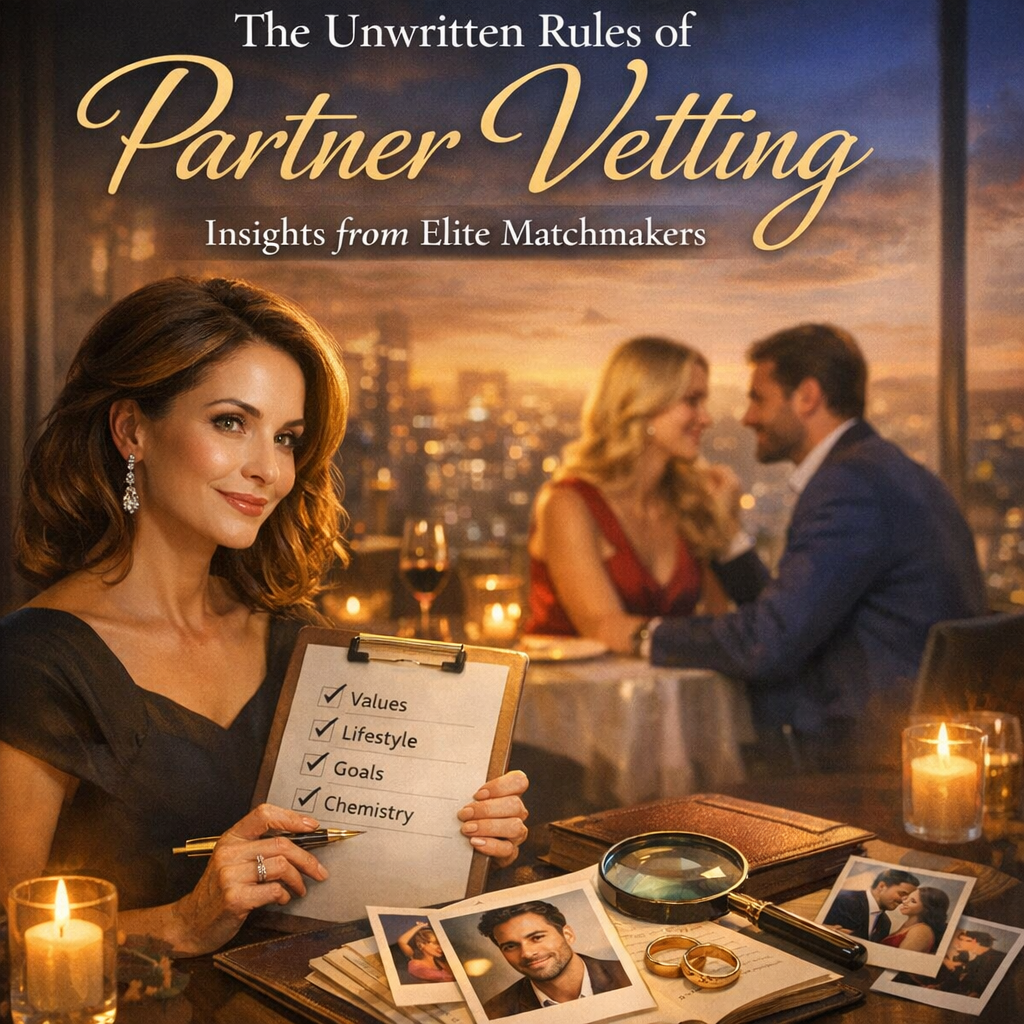
In today’s ever-evolving dating landscape, finding the right partner can seem like a Herculean task. Whether you’re newly entering the dating scene in your twenties or navigating it again in your sixties, the complexities of modern relationships require a strategic approach. Enter the elite matchmakers: professionals who have honed the art and science of connecting compatible individuals. Unlike the casual “swipe-right” culture of online dating, partner vetting—a concept deeply ingrained in the matchmaking process—ensures that individuals find not just a connection, but a meaningful and lasting one.
Features: The Science Behind Successful Partner Vetting
To understand the efficacy of partner vetting, it’s essential to look at the scientific underpinnings that support it. Psychological studies have long emphasized the importance of compatibility in long-term relationships, with shared values and mutual respect ranking high among predictors of relationship success.
One pivotal study by the Gottman Institute, known for its research on marital stability and relationship analysis, highlights that couples who understand and respect each other’s differences fare better in the long run. They emphasize the concept of “turning towards” instead of “turning away” during conflicts, a practice that can be enhanced by thorough partner vetting. This approach aligns closely with the principles used by elite matchmakers, who prioritize emotional intelligence and conflict resolution skills in their vetting process.
Moreover, research published in the Journal of Social and Personal Relationships underscores the role of communication as a cornerstone of successful partnerships. Effective partner vetting processes incorporate an evaluation of communication styles to ensure potential partners can express their thoughts and emotions openly and constructively.
Interestingly, modern studies also explore the physiological aspects of compatibility. A study conducted at the University of Chicago found that couples with similar biological responses to stress have more harmonious relationships. As the science of matchmaking evolves, elite matchmakers are increasingly incorporating biological and psychological assessments to fine-tune their vetting methods.
Additionally, attachment theory, which explores the emotional bonds people form in their early years and how those impact adult relationships, plays a crucial role in partner vetting. Understanding one’s attachment style—whether secure, anxious, or avoidant—can provide profound insights into relationship behaviors and preferences.
These professional and academic insights validate the methodologies employed by elite matchmakers, bridging the gap between intuition and empiricism in partner vetting. By aligning with scientific findings, matchmakers enhance their strategies, ensuring their clients are better prepared for lasting, fulfilling partnerships.
Conclusion
Partner vetting, guided by the expertise of elite matchmakers, provides a comprehensive framework for singles to navigate the intricacies of modern relationships. By focusing on authenticity, compatibility, and emotional intelligence, individuals can increase their likelihood of finding lasting love. As the lines between science and matchmaking continue to blur, the unwritten rules of partner vetting gleaned from decades of experience and scientific research offer invaluable guidance. For those willing to invest in a thoughtful and intentional search for a life partner, the rewards are bound to be deeply fulfilling.
Summary:
In the digital era, the journey to find a compatible partner is daunting. Elite matchmakers bring expertise in combining art and science for successful matchmaking through comprehensive partner vetting. They prioritize emotional intelligence, authenticity, and communication, drawing from research by the Gottman Institute and others. Many factor in psychological and physiological compatibility, aligning with trends in attachment theory. Through informed strategies and flexible approaches, matchmakers offer singles pathways to fruitful relationships that resonate with scientific validations, bridging intuition and empirical understanding for lasting partnerships.