“`html
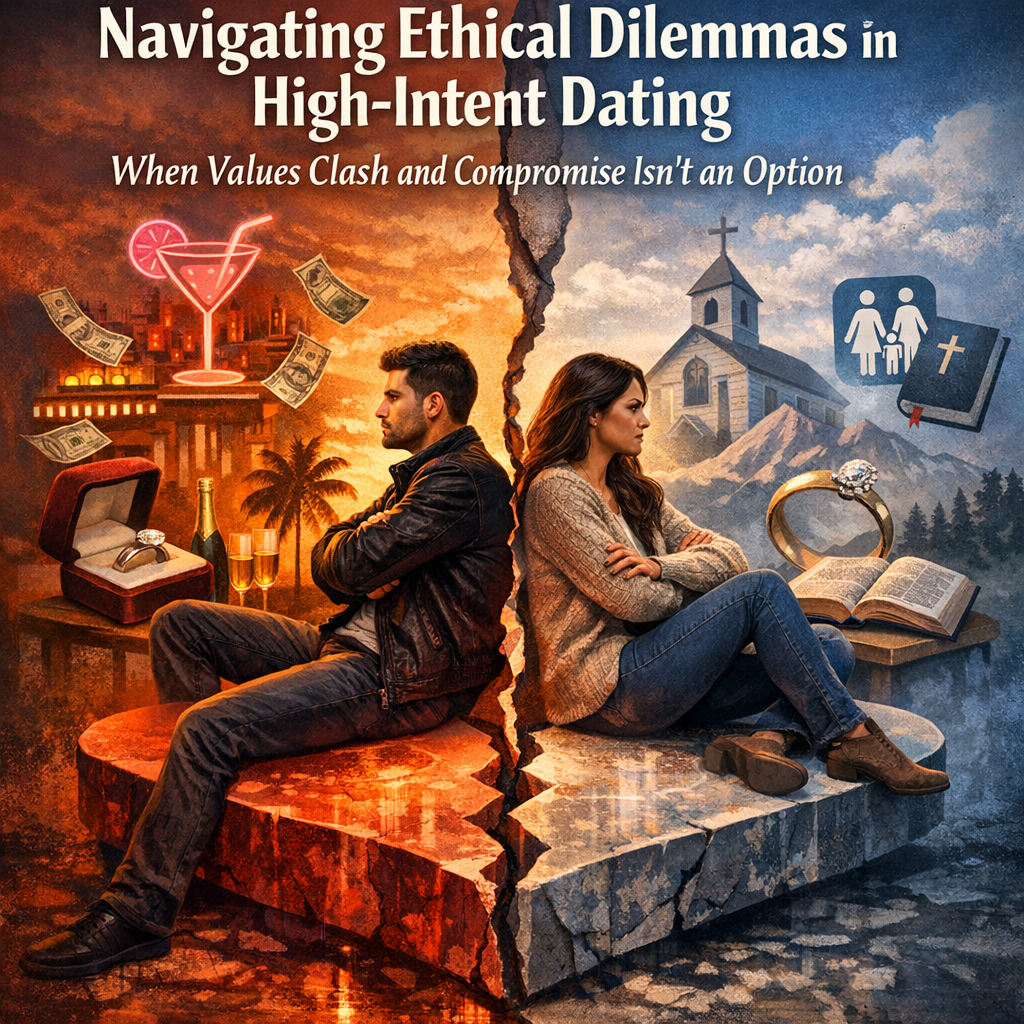
Navigating Ethical Dilemmas in High-Intent Dating When Values Clash and Compromise Isn’t an Option
In the intricate world of high-intent dating, the stakes are higher and the expectations more defined. Singles come into these relationships with clear goals, often seeking long-term partnerships, commitment, and shared values. However, what happens when the very values that are supposed to unite become the fault lines of contention? Navigating ethical dilemmas within this realm can be complex, particularly when values clash and no room for compromise is apparent.
At the core of such dilemmas is the definition of “high-intent dating” itself. Unlike casual dating where the primary aim might be companionship or enjoyment, high-intent dating involves individuals looking for something lasting and meaningful. It’s a space where transparency, integrity, and mutual respect are paramount, but it’s also a minefield for ethical considerations, especially when personal values get into conflict.
A 2018 study published in the Journal of Social and Personal Relationships highlighted that mismatched values, such as differing political views, religious beliefs, or lifestyle choices, are among the top reasons relationships fail. This becomes even more pronounced in a high-intent context, where alignment on core values often determines the feasibility of a future together. High-intent daters typically aren’t looking for projects to fix or beliefs to change; they’re seeking symbiosis and harmony already intact.
Moreover, modern technology has amplified ethical dilemmas by offering platforms where one’s life philosophy can be both a selling point and a sticking point. Hyper-specific dating apps cater to niches, connecting people on shared values or beliefs—yet they also make clashes more obvious when everything from dietary preferences to parenting philosophies are laid bare from the start.
In situations where compromise seems impossible, individuals often face two potential paths: either redefining what they are willing to accept or respectfully parting ways. As such, understanding how to navigate these dilemmas isn’t just beneficial; it’s imperative. Psychological studies suggest that an individual’s capacity to successfully manage value-based conflicts in relationships is indicative of their general emotional intelligence and compatibility, skills essential for sustaining long-term partnerships.
Features:
One key study that offers insight into this subject is the 2019 research from Psychological Science, which examined how ethical reasoning develops across relationships. It found that people engaged in high-intensity relationship negotiations often revert to what’s called “moral consistency”—a steadfast adherence to their initial value systems—especially when challenged. This suggests that when values clash without room for compromise, individuals naturally revert to foundational beliefs as defensive mechanisms.
Moreover, research from the Journal of Marriage and Family in 2020 explored specific stress points within relationships, revealing that while some values like worldview alignment (e.g., religion, politics) can be particularly polarizing, negotiations around them can lead to “relationship bifurcation”—wherein couples grow either significantly closer through effective communication or drift apart due to persistent disagreements.
There are practical strategies for managing these dilemmas, however. Studies indicate that successful navigation often involves fostering empathetic dialogue and active listening, techniques that allow for both parties to voice their core values openly without immediate judgment or dismissal. This approach not only aids in understanding the underlying reasons behind a belief but can also uncover surprising common ground.
Additionally, cognitive-behavioral frameworks suggest that individuals who employ self-reflection and personal value audits—essentially questioning why they hold certain non-negotiables—tend to fare better in relationships. This involves recognizing the fluidity of certain values in the context of relationships and understanding which beliefs truly are immutable.
A Harvard Business Review article from 2021 points out that establishing deal-breakers and must-haves early on can save time and emotional investment, but it also advises reevaluating them periodically. Human values are, by nature, dynamic, and flexibility in understanding their place within a relationship can often lead to growth and increased compatibility.
Conclusion:
Navigating ethical dilemmas in high-intent dating requires a fine balance of self-awareness and mutual respect for each partner’s belief systems. While some values may seem non-negotiable, adopting strategies of empathetic dialogue and personal reflection can open doors previously thought closed, allowing singles to explore the depths of compatibility and, ultimately, solidify bonds rooted in understanding and respect.
Summary:
In the realm of high-intent dating, individuals seek long-term and meaningful relationships underpinned by shared values. When core beliefs clash, resolving these ethical dilemmas can be both challenging and crucial. By fostering empathetic communication and reevaluating personal values through active self-reflection, singles can navigate potential rifts. Employing strategies such as active listening may uncover unexpected commonalities. Ultimately, understanding the dynamic nature of human values and maintaining an open mind can lead to greater compatibility and stronger relationships.
“`

Dominic E. is a passionate filmmaker navigating the exciting intersection of art and science. By day, he delves into the complexities of the human body as a full-time medical writer, meticulously translating intricate medical concepts into accessible and engaging narratives. By night, he explores the boundless realm of cinematic storytelling, crafting narratives that evoke emotion and challenge perspectives. Film Student and Full-time Medical Writer for ContentVendor.com