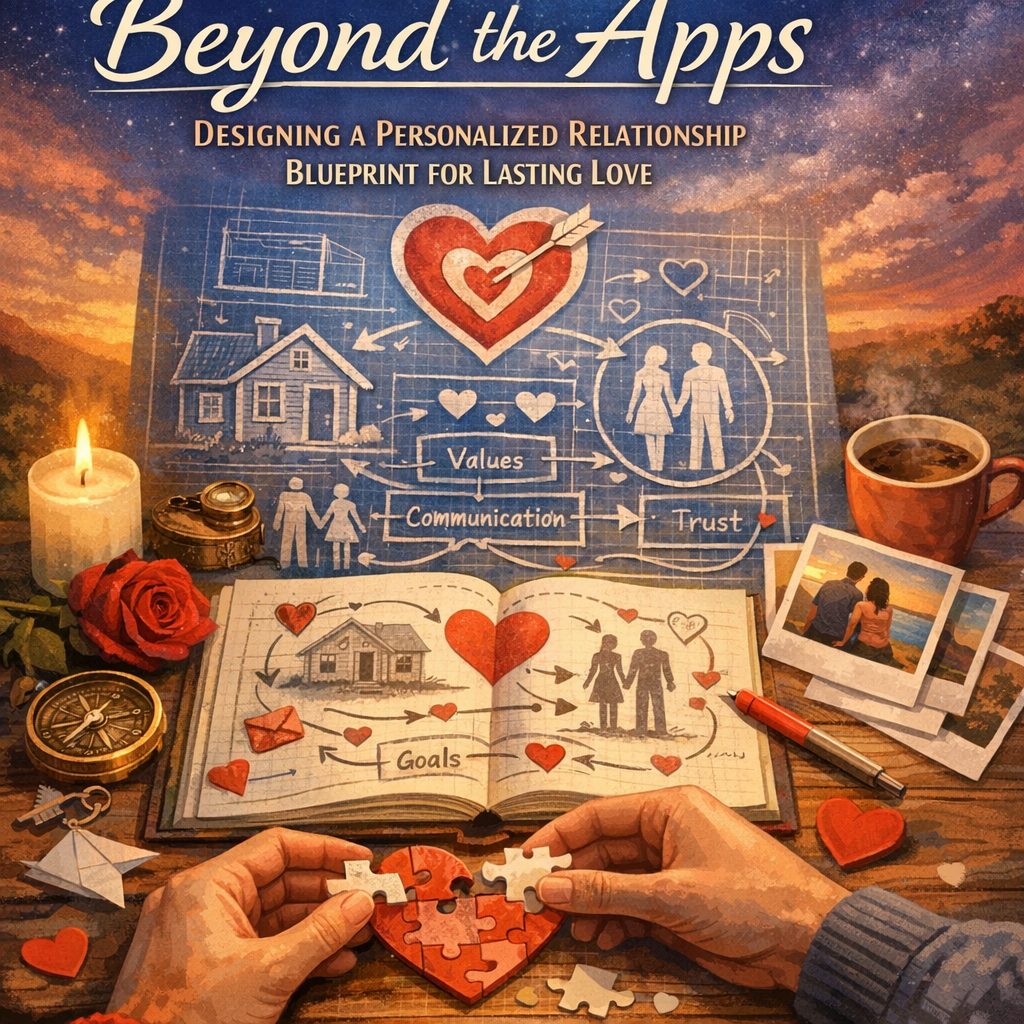
Navigating Love After Leadership: Applying Executive Decision-Making Skills to Relationship Commitment
Introduction
In the high-stakes world of leadership, individuals often master the art of decision-making. Executives and managers routinely make decisions that steer businesses toward growth and success. But what happens when these decision-making skills need to be applied in a completely different realm, such as romantic relationships? The transition from boardroom to bedroom might seem daunting, particularly when it involves commitment, vulnerability, and emotional connectivity. However, applying executive decision-making skills to relationship commitment can bring clarity and intention to the often murky waters of love.
As people climb the professional ladder, time and energy are often allocated heavily toward career advancement, leaving personal relationships on the back burner. Yet, at some point, the desire for a meaningful, committed relationship emerges, presenting the challenge of balancing professional acumen with personal engagement. Executives possess skills like strategic thinking, risk assessment, and effective communication—all critical in personal relationships but often underutilized due to the perceived separation of the professional and personal worlds.
Current dating dynamics for singles aged 18 to their 80s are nuanced, where personal goals and professional obligations frequently intersect. Younger individuals may be focusing on establishing their careers, while older singles might be navigating the challenges of re-entering the dating scene after long-term relationships or bereavement. Regardless of age, the application of leadership skills in personal relationships can help in making informed, impactful decisions that align with personal values and relationship goals.
Making a transition from executive decision-making to romantic commitment involves understanding one’s emotional landscape and communicating those insights effectively with a partner. It requires synthesis of data—understanding what you need, want, and how your relationship stands in light of those factors—and making decisions that serve the long-term relationship strategy. It’s not merely about managerial prowess but about integrating emotional intelligence with traditional leadership skills to forge deeper connections that resonate on both personal and emotional levels.
Features
Research in both professional and psychological fields supports the notion that leadership skills can significantly enhance relationship dynamics. A study conducted by the Harvard Business Review identified that successful leaders possess a distinct set of emotional intelligence competencies, which include self-awareness, self-regulation, motivation, empathy, and social skills. These competencies are directly applicable to developing and maintaining healthy personal relationships.
Self-awareness helps individuals understand their attachment styles, personal triggers, and emotional needs, all crucial for romantic compatibility. While effective in decision-making scenarios, self-regulation allows one to manage emotions in high-stress situations, facilitating more open and honest communication with partners, even when discussions are difficult.
Empathy involves the ability to see things from another person’s perspective, understanding their feelings and viewpoints. This ability can profoundly enhance romantic relationships, helping partners feel valued and heard. Empathy in relationships aligns with customer and team management skills in leadership, driving satisfaction and loyalty—in this case, emotional connection and commitment.
Furthermore, a study by the American Psychological Association indicates that goal-setting, often used by executives for professional success, is equally important in personal commitments. Setting mutual goals with a partner ensures alignment in terms of relationship aspirations, whether it involves career moves, children, or lifestyle preferences. Regular check-ins, akin to business strategy evaluations, help maintain alignment and adjust as needed.
However, it is crucial to note that while planning and strategy are important, incorporating flexibility and openness to change is essential in relationships. The sameness and predictability effective in business may not always bode well in the fluid nature of human relationships. Respecting the ever-evolving dynamic of a relationship while exercising patience is just as important as strategic decision-making.
Conclusion
Integrating executive decision-making skills into relationship management can provide a balanced, structured approach to love that relies on self-awareness, effective communication, and empathy. By navigating personal relationships with the same acumen used in leadership roles, individuals can foster deeper emotional bonds, enhance personal growth, and ultimately achieve a fulfilling, committed relationship that complements professional aspirations. Embracing love beyond leadership is not only about applying skills but adapting them to create a lasting, meaningful connection.
References
1. [Harvard Business Review: The Emotional Intelligence of Leaders](https://hbr.org/1998/11/what-makes-a-leader)
2. [American Psychological Association: The Role of Goal Setting in Love and Relationships](https://www.apa.org/news/press/releases/stress/2020/love-goals-set)
Concise Summary
The article discusses the application of executive decision-making skills to romantic relationships. Successful leaders possess emotional intelligence competencies—self-awareness, self-regulation, motivation, and empathy—that are also valuable in personal relationships. These skills help in understanding one’s emotional needs, managing emotions, and fostering better communication with partners. Goal-setting, a strategy often used by leaders, is equally vital for relationship commitments, ensuring alignment with personal values and relationship goals. While applying leadership skills to relationships offers structure and clarity, flexibility and openness are essential to respect the evolving dynamics of personal connections.