How Modern Data Analytics in Relationship Strategy Can Predict Successful Marriages
Introduction
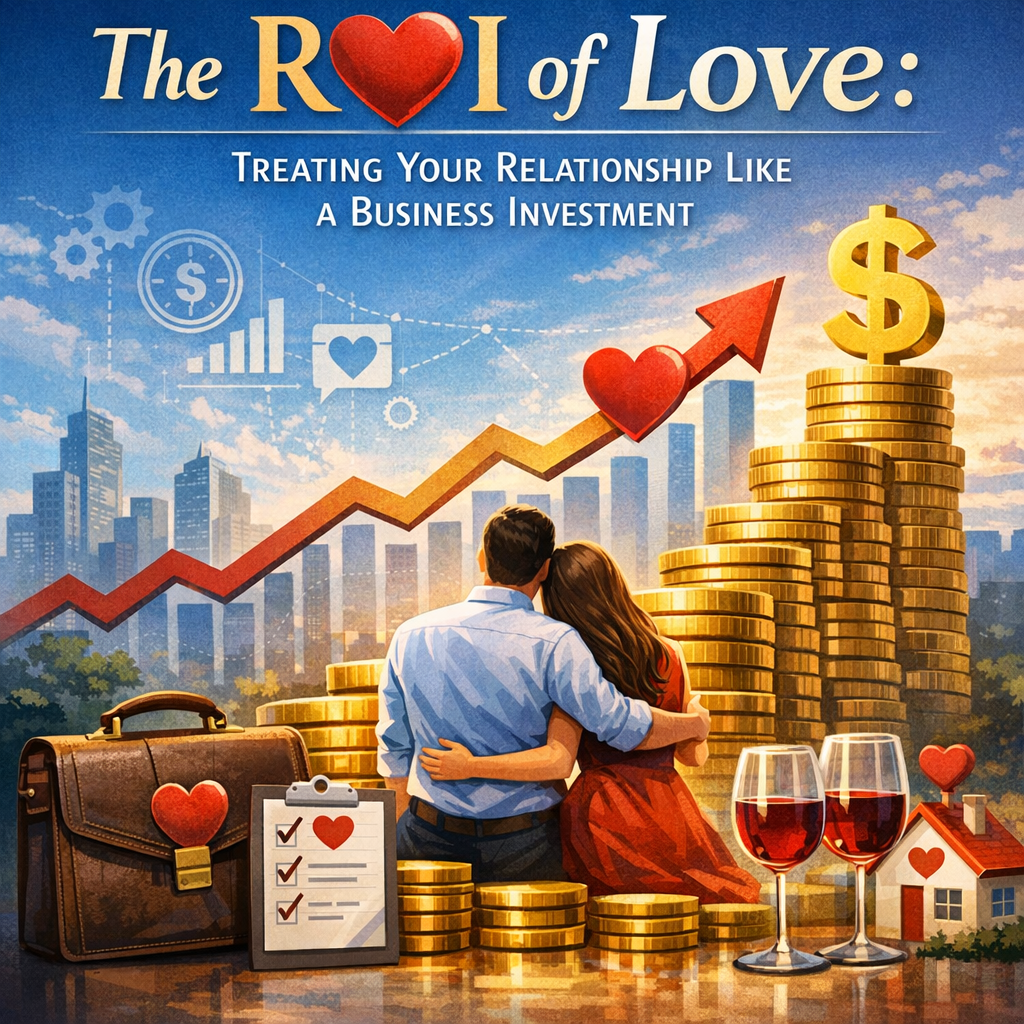
In an era where technology influences almost every aspect of our lives, it’s no surprise that it has also infiltrated the realm of romance and relationships. With dating apps, social media, and online matchmaking services becoming the norm, singles from ages 18 to 80s are leveraging technology to find their perfect partners. But as these platforms evolve, so does the sophistication in understanding what makes a relationship successful. This is where modern data analytics comes into play, promising new insights into the age-old quest of predicting marital success.
Data analytics in relationship strategy examines an extensive array of variables, ranging from basic demographic information to nuanced personality traits and emotional intelligence. The goal is to determine patterns and correlations that are indicative of a sustainable marriage. This analytical approach is deeply rooted in the idea that relationships, while complex and dynamic, can mirror certain predictable behaviors and outcomes when viewed through the lens of big data.
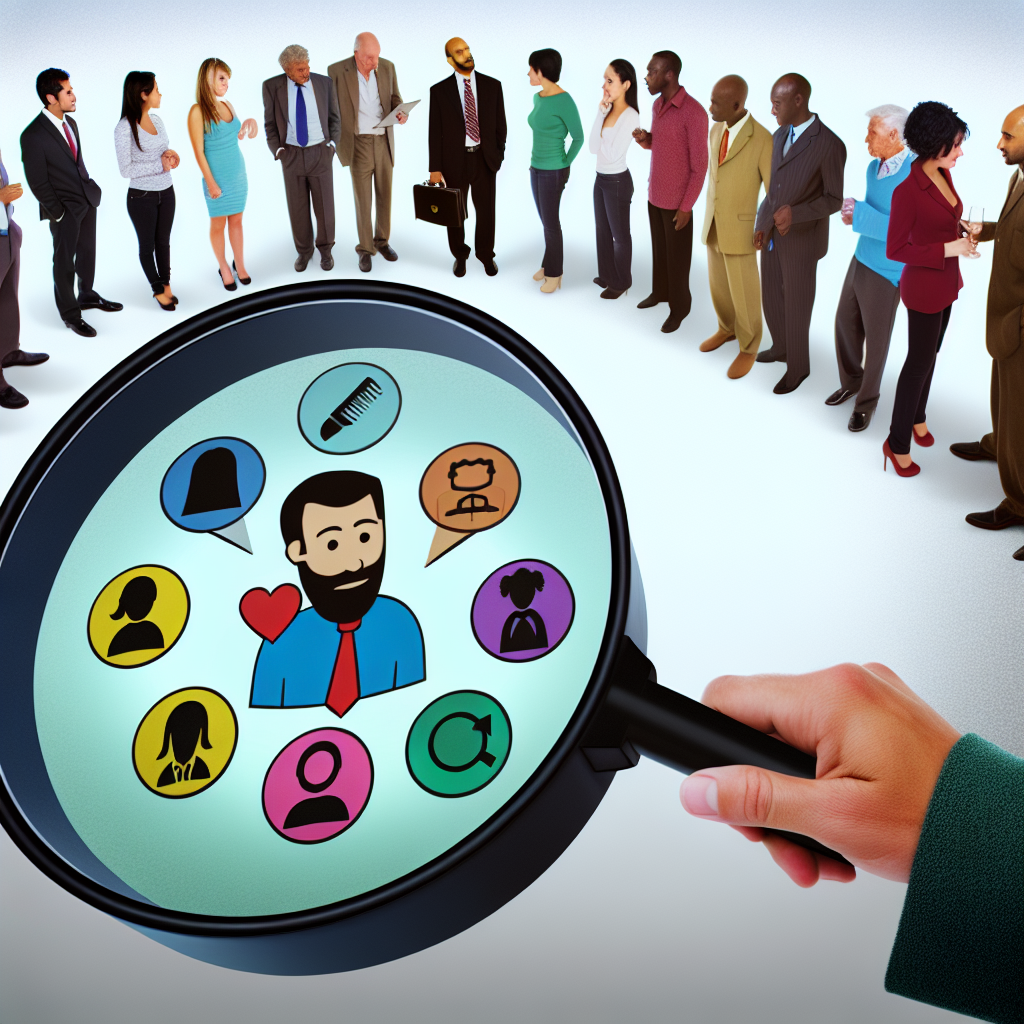
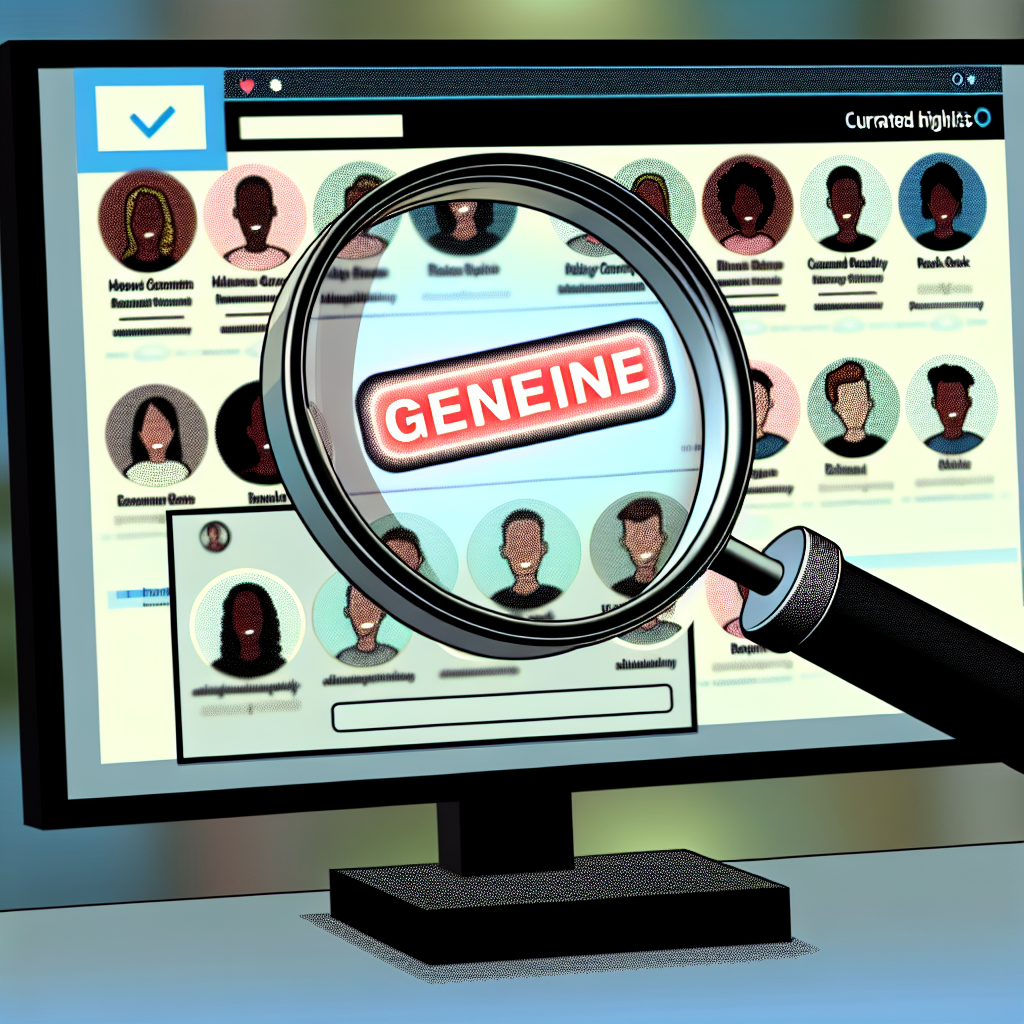
Companies like eHarmony and OkCupid have already been utilizing data analytics to match singles for years. These platforms analyze data from user interactions, preferences, and even personality tests to make informed predictions about compatibility. By tapping into vast datasets, these algorithms test hypotheses and validate relationship theories in the real world, rather than relying solely on intuition or anecdotal evidence.
The promise of data-driven relationship strategies extends beyond matchmaking apps. Marriage counselors and relationship therapists are beginning to employ similar techniques to offer couples a more empirical understanding of their dynamics. This allows professionals to provide more tailored advice and interventions that are based on statistical likelihoods rather than generic or subjective recommendations.
However, it’s crucial to acknowledge the inherent limitations. Relationships are deeply personal and influenced by intangible factors such as chemistry, personal growth, and life circumstances. While data analytics can provide a valuable framework, it is not a crystal ball. But, as technology continues to advance, the possibility of predicting what makes a marriage last becomes tantalizingly within reach. By investing in this intersection of technology and romance, we step closer to unlocking the formula that could potentially lead to love stories that stand the test of time.
Features
One of the most significant studies in understanding how data analytics can predict successful marriages was conducted by Dr. John Gottman, a renowned relationship expert. His “Love Lab” research delved into marital stability and found that he could predict with 90% accuracy whether a couple would stay together based on specific interaction patterns. The study revealed that successful marriages often exhibited a high degree of positive interactions to negative ones, which Gottman characterized as the “5:1 ratio” – for every negative interaction during conflict, there are five or more positive interactions. While Gottman’s studies weren’t driven by big data technologies per se, they laid the groundwork for the types of insights that modern algorithms now aim to uncover [source](https://www.gottman.com).
In the professional domain, eHarmony’s research team uses a model called the “29 Dimensions of Compatibility,” which accounts for factors such as values, intelligence, and emotional temperament. This multi-dimensional approach is powered by machine learning algorithms that learn from users’ data, improving over time to refine how compatibility is measured and predicted. Their success is not merely anecdotal; according to a survey conducted by researchers at Harris Interactive, eHarmony matches account for nearly 4% of all U.S marriages and are less likely to end in divorce compared to those who met offline [source](https://eharmony.com).
From a medical standpoint, a study published in the *Journal of Marriage and Family* found significant physical and emotional health benefits associated with marital satisfaction, suggesting that accurately predicting and fostering successful marriages could play a critical role in overall well-being. The research highlighted that positive marital relationships contribute towards lower stress levels and better heart health, emphasizing the broader societal impact of successful marriages [source](https://onlinelibrary.wiley.com/journal/17413729).
The integration of analytics into relationship strategy not only profiles potential partners but also analyzes communication habits, conflict resolution styles, and even social networks. As these methods evolve, they allow individuals and professionals alike to make data-informed decisions that can improve the odds of a long-lasting, fulfilling marriage.
Conclusion
In conclusion, while love remains a deeply personal human experience, data analytics offers promising tools in the quest to understand and predict successful marriages. By leveraging comprehensive datasets and modern algorithms, singles and couples alike can gain deeper insights into compatibility and relationship dynamics. However, it is essential to balance empirical findings with the intrinsic emotional components that make relationships uniquely human. As the digital landscape continues to shape our approaches to love, the harmonious blend of data and emotional intelligence could hold the key to fostering enduring and meaningful marriages.
Concise Summary
In a world where technology significantly influences romance, modern data analytics is transforming our understanding of what makes a successful marriage. By analyzing variables like demographic data, personality traits, and emotional intelligence, companies such as eHarmony utilize algorithms to match compatible singles. This data-driven approach extends to relationship counseling, offering empirical insight into relationship dynamics. Despite its promise, data analytics has limitations and must be balanced with intangible factors like chemistry. As technology progresses, the fusion of data and emotional intelligence may offer vital insights into creating enduring marriages.

Dominic E. is a passionate filmmaker navigating the exciting intersection of art and science. By day, he delves into the complexities of the human body as a full-time medical writer, meticulously translating intricate medical concepts into accessible and engaging narratives. By night, he explores the boundless realm of cinematic storytelling, crafting narratives that evoke emotion and challenge perspectives. Film Student and Full-time Medical Writer for ContentVendor.com